How to Choose Brined Boletus Mushrooms in Drum for Food Processing, Sauces and Wholesale Distribution (1)
When a food manufacturer starts sourcing boletus mushrooms in bulk, the first question is often simple: “What is the price per drum?”
For experienced buyers, however, the more important question is: Will this mushroom work efficiently in our production process?
This difference matters because Brined Boletus Mushrooms in Drum are not purchased for one single purpose. The same type of preserved mushroom may be used in sauces, pizza products, pasta, prepared foods, mushroom mixes, foodservice products, or further processing. Each application can require a different mushroom size, grade, cut, drained weight, and texture.
A product that is ideal for one factory may not be the best choice for another.
This article looks at brined boletus from the perspective of the food manufacturer and importer. Instead of focusing only on basic product definitions, it explains how buyers can connect mushroom specifications with their production requirements, calculate the real purchasing cost, and select a supplier for repeat business.
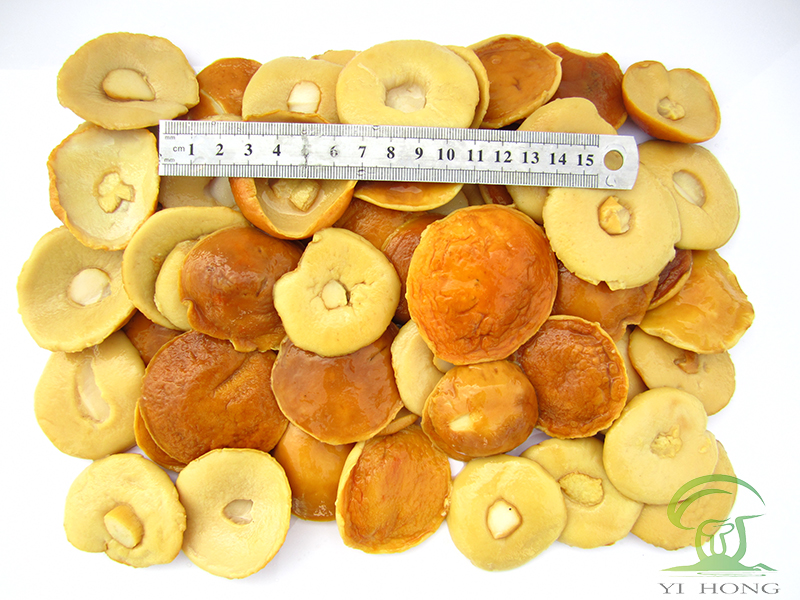
Start With the Finished Food, Not the Mushroom
One of the most common mistakes in ingredient purchasing is choosing the raw ingredient first and thinking about the application later.
For commercial food production, the process should usually be reversed.
Start with the finished food.
Ask:
Where will the boletus be used?
Will the mushroom remain visible?
Will it be blended into a sauce?
Will the mushroom be cut again?
Does the factory have automatic cutting equipment?
Does the recipe require consistent piece size?
How much mushroom is required per production batch?
How much labor is available for additional preparation?
Once these questions are answered, the required mushroom specification becomes much easier to define.
Application 1: Boletus for Mushroom Sauce
Sauce manufacturers often have different requirements from companies selling whole visible mushrooms.
When boletus is incorporated into a sauce, the mushroom may need to be distributed throughout the product. Extremely large pieces can require additional cutting, while inconsistent sizes can affect the appearance and portioning of the finished sauce.
For this application, buyers may place greater importance on:
Consistent size
Suitable texture
Drained weight
Processing efficiency
Flavor contribution
Stable supply
A good purchasing process should therefore include a production test.
Do not simply taste the mushroom after opening the drum. Put it into the actual sauce formula and process it under normal production conditions.
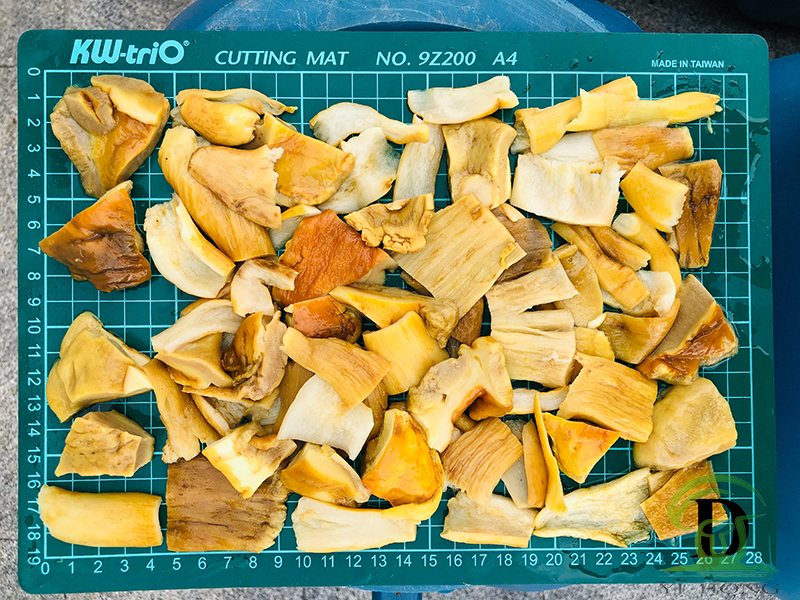
Application 2: Pizza and Pasta Products
Pizza and pasta manufacturers often use mushrooms as one ingredient among several others.
In these applications, distribution is important.
The mushroom needs to be incorporated into the product in a way that supports consistent portioning and an acceptable final appearance.
For pizza production, for example, a factory may have a specific target for mushroom size because the pieces need to distribute evenly across the pizza surface.
For pasta sauces, the preferred size may be different because the mushroom becomes part of a sauce or mixed ingredient.
This is why the phrase “boletus mushrooms in brine” is not enough to create a precise purchasing specification.
Application 3: Prepared Foods
Prepared-food manufacturers may use boletus in ready meals, sauces, side dishes, frozen meals, or other products.
Here, the mushroom may be exposed to several processing stages after arriving at the factory.
For example:
Receiving → Draining → Cutting → Mixing → Cooking → Filling → Packaging
Every additional processing step creates labor and production costs.
If a supplier can provide a mushroom format that fits the factory's process more closely, the buyer may reduce some of these additional operations.
However, this should always be evaluated against the product price.
A more processed mushroom may have a higher purchase price but lower internal processing costs.
The correct comparison is the total production cost, not simply the purchase price.
Whole Boletus vs Smaller Pieces
There is no universal answer to whether whole mushrooms or smaller pieces are better.
The right choice depends on what happens after the product reaches the factory.
| Requirement | Potentially Suitable Format |
| Visible mushroom appearance | Larger or whole pieces |
| Sauce production | Smaller or standardized pieces |
| Pizza topping | Controlled size or cut format |
| Further cutting at factory | Whole or larger pieces |
| Even distribution in prepared food | Standardized smaller pieces |
| Further processing | Depends on equipment and recipe |
The best way to make the decision is to calculate the total cost after the mushroom enters the factory.
How Additional Processing Changes the Real Cost
Suppose Supplier A provides a larger mushroom at a lower price.
Supplier B provides a more standardized mushroom at a slightly higher price.
At first glance, Supplier A appears to be cheaper.
But imagine that Supplier A's mushroom requires additional cutting by factory employees before production.
The calculation now becomes:
Purchase price + labor + equipment time + processing loss + production delay
Supplier B may actually have the lower total cost even though its quoted drum price is higher.
This is an important point for food manufacturers buying mushrooms in large quantities.
Drained Weight and Production Yield
Drained weight should be treated as a production figure rather than merely a packaging specification.
A drum of brined mushrooms contains brine as well as mushroom material. Therefore, a buyer needs to understand how much usable mushroom is available after draining.
For example:
| Item | Supplier A | Supplier B |
| Drum price | $115 | $122 |
| Drained mushroom | 45 kg | 50 kg |
| Cost per drained kg | $2.56 | $2.44 |
The second supplier has a higher price per drum but a lower effective cost per kilogram of drained mushroom.
For a small order, this difference may appear minor.
For 100 drums, 500 drums, or several containers, it becomes much more significant.