Main Applications of Nameko Mushrooms in Brine in the European and American Food Processing Markets
For food buyers in the European and American markets, nameko mushrooms are a relatively niche but consistently in-demand ingredient. While its market size is smaller compared to shiitake and king oyster mushrooms, its unique appearance and texture give it an irreplaceable position in several specific market segments.
If you are evaluating whether to include nameko mushrooms in brine in your procurement, understanding its actual uses in downstream markets is a prerequisite for assessing demand potential and selecting appropriate specifications.
Scenario 1: Pizza Toppings
This is one of the most important industrial applications of nameko mushrooms in the European and American markets.
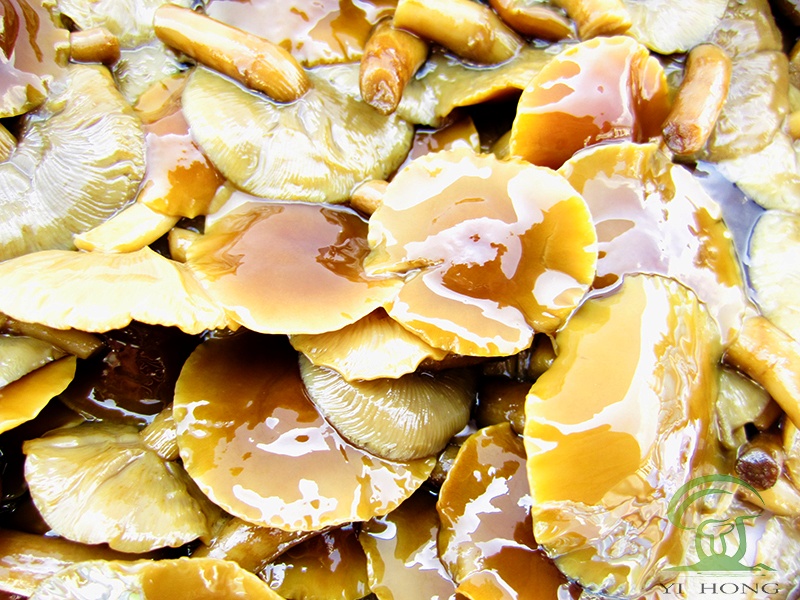
The pizza industry in Europe and America is massive, and mushrooms have always been one of the most common toppings, from frozen pizzas to restaurant-made ones. Compared to ordinary mushrooms, nameko mushrooms have a naturally smooth appearance and a plump, firm texture. They are less prone to shrinking and deforming after heating, resulting in better plating and higher visual recognition. This makes them a preferred mushroom variety for mid-to-high-end frozen pizzas and pizza chain brands.
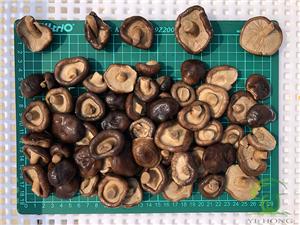
When nameko mushrooms in brine are used as pizza toppings, they are typically 1–3 cm in diameter, sliced, evenly spread, desalted, and then directly fed into the production line—a mature process. YIHONG's pizza-specific nameko mushrooms in brine are a specification specifically developed for this need.
Scenario 2: Brine-cured Mushroom Products
Brine-cured mushrooms are a mature retail and catering ingredient category in the European market. They have a stable consumer base in markets such as Italy, Spain, and Germany, and are commonly found in products like olive oil-cured mushrooms and herb-infused mushroom appetizers.
Nameko mushrooms in brine are a high-quality source of raw materials for brine-cured mushroom products. This is because: their small, intact shape and smooth surface make them suitable for whole-plant jarring; the salting process already provides initial preservation, ensuring stable processing and easy quality control during secondary processing.
For food processors producing brine-cured mushroom products, brine-cured raw materials are easier to source stably year-round than fresh mushrooms, unaffected by seasonal harvest fluctuations.
Scenario 3: Mushroom Sauce and Compound Sauces
Mushroom sauce is a growing category in the European and American food processing markets, widely used in pasta sauces, hamburger sauces, sandwich spreads, and other products.
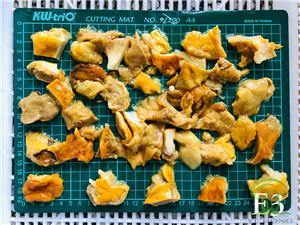
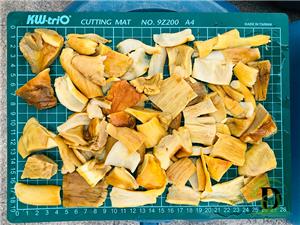
In sauce production, the appearance grade requirements for raw mushrooms are relatively low; the focus is more on uniform texture, stable yield, and high batch-to-batch consistency. Salted nameko mushrooms in Grade C are designed for this type of industrial processing scenario—the grade definition is clear, the size range is well-defined (1–3cm or 3–5cm), suitable for large-scale production, and the cost is relatively controllable.
Processors simply desalinate the mushrooms and then crush or slice them before feeding them into the sauce production line. The process is simple, and the raw material loss rate is low.
Scenario 4: Japanese and Asian Cuisine Supply Chain
Nameko mushrooms originated in Japanese cuisine and are a traditional ingredient in miso soup, ramen, and Japanese hot pot. With the continued expansion of Asian restaurants in European and American markets, Japanese restaurants, Asian fusion restaurants, and food distributors supplying these restaurants constitute a stable purchasing group.
For these buyers, the advantages of salted nameko mushrooms over dried ones are: more intact shape, more consistent product quality, and easier processing. For chain restaurant buyers who need to maintain consistency in product quality at the restaurant level, this directly impacts kitchen operational efficiency.
Scenario 5: Ready-to-Eat Mushroom Snacks and Cooked Products
This is a relatively new but rapidly growing niche market, especially in Europe. Salted mushrooms, after being seasoned, can be sold directly as ready-to-eat snacks or as part of cooked salads and cold platters.
Among these products, nameko mushrooms are particularly popular due to their small size, uniform shape, and unique texture. For processors looking to enter this niche market, brine-treated raw materials offer high maneuverability, facilitating subsequent seasoning and packaging.
What Should You Focus on When Procuring Raw Materials?
After understanding the application scenarios, different scenarios have different requirements for raw material specifications:
Pizza toppings and oily products: 1-3cm size is preferred, with high requirements for shape integrity.
Sauces and spreads: 3-5cm size is sufficient, with more emphasis on batch consistency and yield after desalination.
Catering supply chain: Both sizes are acceptable, depending on the specific dish requirements.
Before confirming the specifications, it is recommended to request samples of different sizes from the supplier to test the desalination effect and processing performance in the actual process flow before determining the long-term procurement specifications.
About Our Brine-Cured Nameko Mushrooms
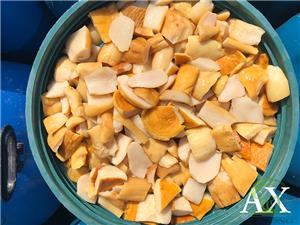
YIHONG offers multiple grades of brine-cured nameko mushrooms, ranging in size from 1–3cm and 3–5cm, with a special size designed specifically for pizza toppings. Packed in plastic drums, net weight 50kg/drum, suitable for standard container shipping, with a monthly supply capacity of 150 tons and a shelf life of 24 months.
For specific specifications or to arrange samples, please leave a message below.