How Are Brined Nameko Mushrooms Produced? Factory Process Explained
A food importer is not usually looking for a single attractive sample. The buyer is trying to reduce risk across repeated shipments, seasonal availability, factory documentation, packaging stability, and customer complaints after the product reaches its destination market.
Industrial Background
For brined nameko mushrooms, the buyer should not treat the product as a commodity until the specification is clear. Two shipments may have the same product name but differ in size, grade, texture, brine condition, packing style, and intended application. The product name is only the start of the conversation.
For B2B trade, a reliable supplier is not defined by the lowest quotation. Price matters, but the final decision usually depends on whether the factory can maintain stable raw material sourcing, reasonable grading discipline, export packing experience, clear communication, and documentation that matches the requirements of the destination market.
The role of quality control is to reduce surprises. For brined mushroom purchasing, quality is not only appearance. It includes mushroom identity, size consistency, color, texture, brine clarity, salt balance, odor, foreign matter control, packaging integrity, and the stability of the product during storage and transport.
Key Factors That Influence the Final Quality of Brined Nameko Mushrooms
Although the brining process looks simple, the final quality of Nameko mushrooms depends on many details throughout production. Factors such as mushroom maturity, cap condition, cleaning efficiency, salt concentration, and storage management all influence the appearance and texture of the finished product.
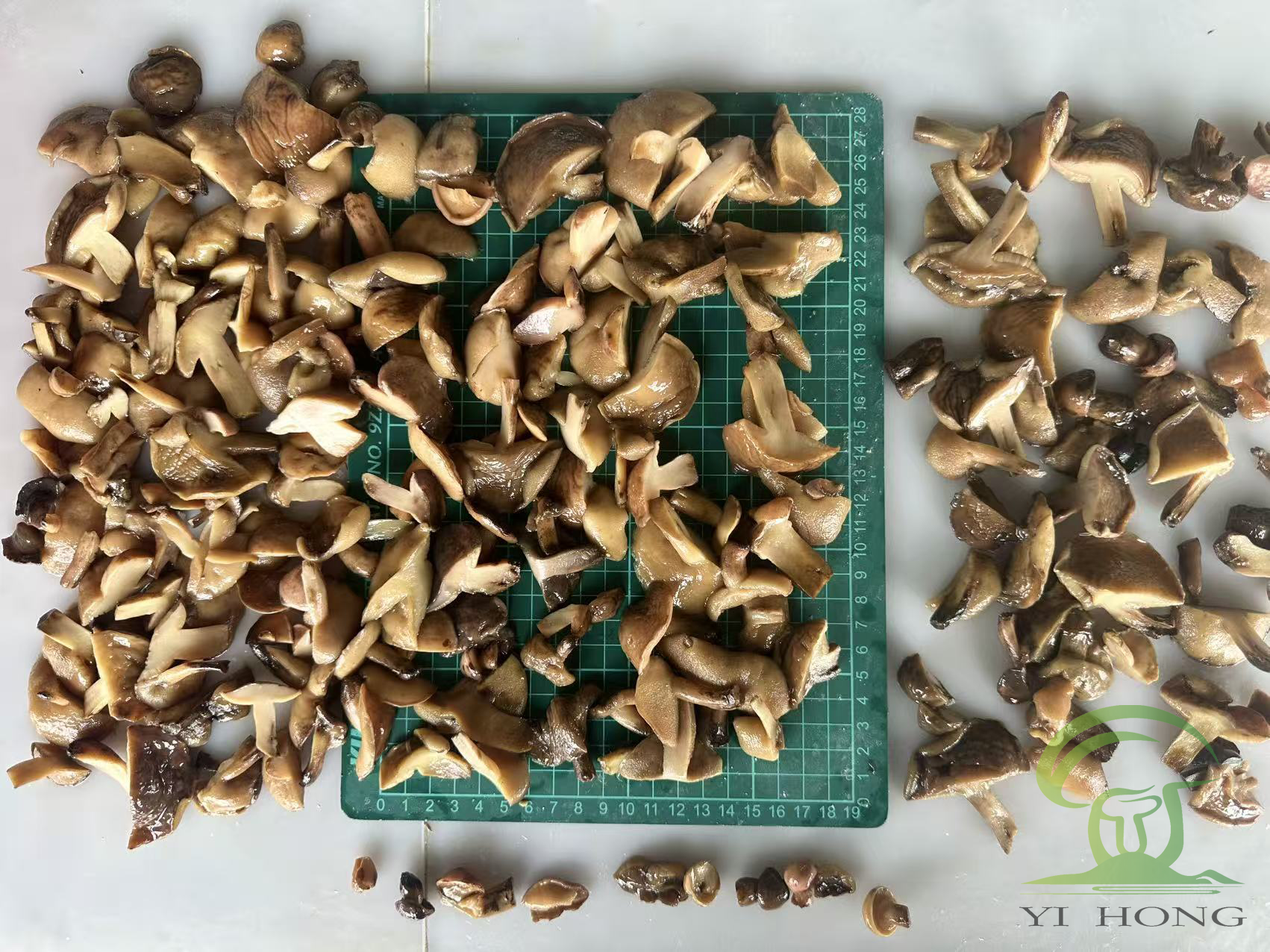
For Nameko mushrooms, size consistency is especially important for industrial buyers. Uniform mushroom grading helps food manufacturers achieve stable cooking results when producing soups, sauces, canned foods, and mixed mushroom products.
Another important factor is brine management. Proper salt concentration and filtration technology help maintain product stability while preserving the natural color, texture, and characteristic gelatinous surface of Nameko mushrooms.
Professional manufacturers focus on controlling every production stage instead of only processing harvested mushrooms. This complete quality management approach allows buyers to receive reliable batches that meet their production requirements.
Product Specification
When a buyer asks whether one supplier is better than another, the answer depends on application. A premium food brand may choose a more selective grade. A large food processor may prioritize stable volume and consistent performance. A distributor may prefer flexible packing and responsive communication. The best supplier is the one whose operating model fits the buyer's business.
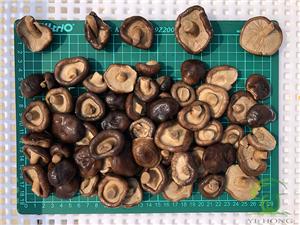
The key feature of brined nameko mushrooms is naturally glossy appearance, tender texture and strong demand in Asian-style food production. This matters because different downstream buyers evaluate mushrooms differently. A sauce manufacturer may focus on flavor release after processing, while a canned food factory may care more about shape, texture, and defect rate. A distributor may need the product to be easy to describe, easy to price, and easy to reorder.
Factory Capability
When buyers search for how are brined nameko mushrooms produced? factory process explained, they are usually not asking for a short supplier list. They are trying to understand which factories can support a serious B2B purchasing program, how the product should be specified, and what risks should be controlled before a first container or trial order is confirmed.
Brined mushrooms are often purchased for further processing rather than direct retail display. They may be used in canned foods, sauces, toppings, ready meals, mixed vegetable products, food-service packs, or repacking programs. This means buyers should describe the final application before asking for price, because the correct specification depends on how the ingredient will be used.
The most useful supplier conversations usually begin with technical questions. Buyers can ask how the mushrooms are selected, how foreign material is controlled, how brine is monitored, how drums are sealed, what inspection is performed before loading, and how the factory handles customer feedback. These answers reveal more than a brochure does.
Export and Logistics
For importers, the documentation side is also important. Depending on the market and buyer type, documents may include commercial invoice, packing list, certificate of origin, health-related documents, test reports, product specifications, labels, and other paperwork requested by customs or the buyer's internal compliance team.
For first cooperation, a practical approach is to start with a sample, then confirm specification, then test a trial order, and finally move into annual or seasonal purchasing discussions. This sequence gives both sides time to align expectations and reduces the chance of disputes after the product arrives.
Decision Checklist
When a buyer asks whether one supplier is better than another, the answer depends on application. A premium food brand may choose a more selective grade. A large food processor may prioritize stable volume and consistent performance. A distributor may prefer flexible packing and responsive communication. The best supplier is the one whose operating model fits the buyer's business.
Many buyers also evaluate communication speed. In B2B food trade, delayed answers can create real costs because import planning depends on production schedules, vessel space, document preparation, and customer commitments. A supplier who responds clearly and consistently often provides more value than one who only sends a low price.