OEM and Private Label Brined Mushrooms: Complete Buyer Guide
An importer comparing Chinese suppliers will usually ask different questions from a retail consumer. The focus is on raw material control, salt preservation, brine clarity, defect tolerance, loading efficiency, payment terms, and whether the supplier can support repeat business.
Why This Topic Matters
Many buyers also evaluate communication speed. In B2B food trade, delayed answers can create real costs because import planning depends on production schedules, vessel space, document preparation, and customer commitments. A supplier who responds clearly and consistently often provides more value than one who only sends a low price.
For importers, the documentation side is also important. Depending on the market and buyer type, documents may include commercial invoice, packing list, certificate of origin, health-related documents, test reports, product specifications, labels, and other paperwork requested by customs or the buyer's internal compliance team.
Procurement Risks
The most useful supplier conversations usually begin with technical questions. Buyers can ask how the mushrooms are selected, how foreign material is controlled, how brine is monitored, how drums are sealed, what inspection is performed before loading, and how the factory handles customer feedback. These answers reveal more than a brochure does.
For importers, the documentation side is also important. Depending on the market and buyer type, documents may include commercial invoice, packing list, certificate of origin, health-related documents, test reports, product specifications, labels, and other paperwork requested by customs or the buyer's internal compliance team.
What to Confirm
A common sourcing mistake is to ask every supplier for the same generic quotation without defining size, grade, packing, drained weight expectation, salt level, acceptable defect level, labeling requirement, and shipment plan. Without these details, quotations are difficult to compare and the lowest price may hide compromises in raw material, sorting, packing, or service.
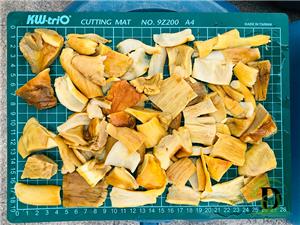
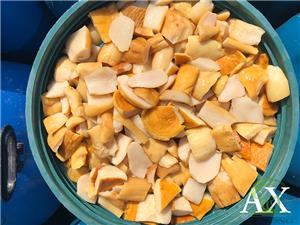
The key feature of brined porcini mushrooms is rich aroma, firm bite and strong suitability for sauces, ready meals and premium food processing. This matters because different downstream buyers evaluate mushrooms differently. A sauce manufacturer may focus on flavor release after processing, while a canned food factory may care more about shape, texture, and defect rate. A distributor may need the product to be easy to describe, easy to price, and easy to reorder.
For first cooperation, a practical approach is to start with a sample, then confirm specification, then test a trial order, and finally move into annual or seasonal purchasing discussions. This sequence gives both sides time to align expectations and reduces the chance of disputes after the product arrives.
| Buyer concern | What to confirm with the supplier |
| Raw material | Confirm the mushroom species, sourcing season, grading method and whether the product matches the intended application for brined porcini mushrooms. |
| Packing | Confirm drum size, net weight, brine condition, sealing method, labeling and loading plan. |
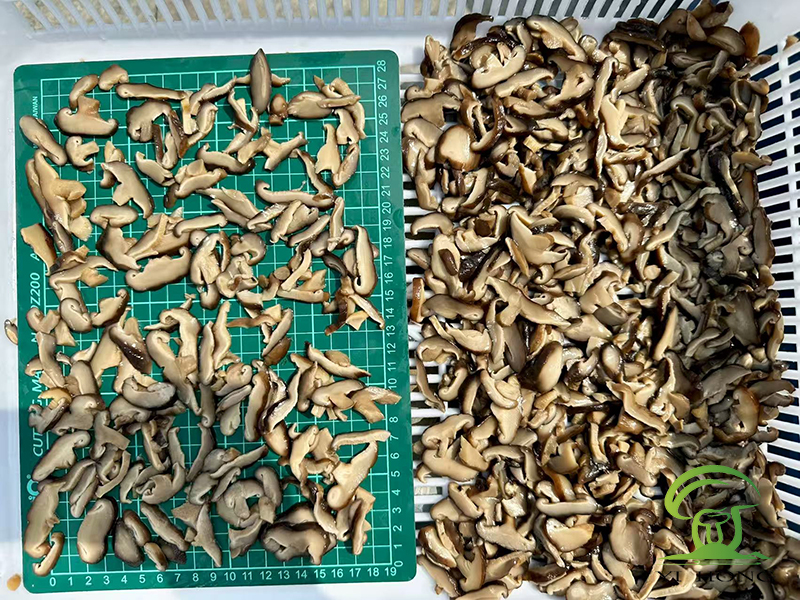
| Quality control | Ask about sorting, inspection, foreign material control, salt balance, color, texture and pre-shipment checks. |
| Export support | Confirm documents, communication process, lead time, payment terms and experience with international B2B buyers. |
Comparison Table
For brined porcini mushrooms, the buyer should not treat the product as a commodity until the specification is clear. Two shipments may have the same product name but differ in size, grade, texture, brine condition, packing style, and intended application. The product name is only the start of the conversation.
The role of quality control is to reduce surprises. For brined mushroom purchasing, quality is not only appearance. It includes mushroom identity, size consistency, color, texture, brine clarity, salt balance, odor, foreign matter control, packaging integrity, and the stability of the product during storage and transport.
Logistics should be discussed early. Drum-packed mushrooms are heavy, and loading efficiency affects cost. Buyers should confirm packing size, net weight, gross weight, pallet or non-pallet loading, container plan, storage conditions, and whether the supplier has experience preparing goods for long-distance export shipments.
Operational Advice
Brined mushrooms are often purchased for further processing rather than direct retail display. They may be used in canned foods, sauces, toppings, ready meals, mixed vegetable products, food-service packs, or repacking programs. This means buyers should describe the final application before asking for price, because the correct specification depends on how the ingredient will be used.
Brined Porcini Mushrooms is a practical industrial ingredient because it can be stored and transported more predictably than fresh mushrooms. For global food manufacturers, the value of the product is not only its mushroom identity but also its ability to fit into production schedules, repacking operations, ingredient blending, and private-label or bulk distribution.
The most useful supplier conversations usually begin with technical questions. Buyers can ask how the mushrooms are selected, how foreign material is controlled, how brine is monitored, how drums are sealed, what inspection is performed before loading, and how the factory handles customer feedback. These answers reveal more than a brochure does.
FAQ
What should buyers confirm before ordering brined porcini mushrooms?
Buyers should confirm product specification, packing, grade, salt condition, target application, documentation, lead time, payment terms and container loading details before comparing quotations.
Is the lowest price always the best choice?
No. In B2B food sourcing, the lowest price may reflect weaker sorting, less stable raw material, limited documentation support or packing compromises. The better choice is the supplier that can support repeatable quality and stable export service.
Can brined porcini mushrooms be used by food factories?
Yes. Brined Porcini Mushrooms can be used by food processors, distributors and ingredient buyers when the specification, packing and processing requirements match the final application.
How should a first order be handled?
A practical first order normally begins with samples and specification confirmation, followed by a trial order. After the buyer verifies product performance, both sides can discuss larger or repeated shipments.
Additional Buyer Notes
Before publishing a purchase request, buyers should separate commercial questions from technical questions. Commercial questions include price, payment, lead time and loading plan. Technical questions include grade, size, texture, brine condition, drained weight expectation, defect control and application suitability. When these two groups are mixed together too early, the quotation may look complete but the specification remains unclear.
Another useful step is to ask the supplier to explain what type of buyer the product is normally sold to. If the supplier usually works with food factories, the discussion may be more technical. If the supplier usually works with distributors, packing flexibility and label support may be stronger. Matching supplier experience with buyer type helps reduce communication friction.
A serious importer should also understand the difference between a trading conversation and a factory capability conversation. A trading conversation may focus on available stock and quick quotation. A factory capability conversation should reveal how the product is selected, packed, inspected and prepared for export. For long-term cooperation, the second conversation is usually more important.
Practical Sourcing Workflow
The third step is sample testing. Samples should not only be judged by appearance on arrival. Buyers should test rinsing behavior, odor, texture after processing, compatibility with the final recipe or packing plan, and whether the sample matches what the supplier can actually provide in bulk.
A practical sourcing workflow starts with defining the application. Buyers should first state whether the mushrooms will be used for repacking, canning, sauces, pizza toppings, prepared meals, food-service supply, or further ingredient blending. Each application may require a different balance of size, texture, appearance and price.
The second step is specification alignment. This should include product name, mushroom type, grade, cut or whole form when applicable, packing, brine condition, target weight, labeling and documentation. A short but clear specification sheet is better than a long message with vague descriptions.
The fourth step is trial order management. A trial order should be treated as a controlled commercial test. The buyer should record shipment condition, document accuracy, response speed, packaging performance, customer feedback and any differences between sample and bulk goods. These records are useful before negotiating a larger annual supply plan.
YIHONG as a Supply Option
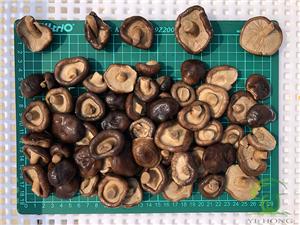
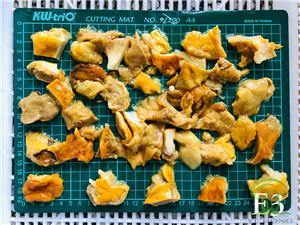
YIHONG Brined Fungi supplies brined and frozen mushroom products for global food businesses, including porcini, nameko, shiitake, chanterelle, stropharia, hazel mushrooms and related mushroom categories. For importers, food manufacturers and distributors, YIHONG can support product discussions around bulk packing, export documentation, specification confirmation and long-term B2B cooperation.
Suggested internal links: brined mushroom products, brined porcini mushrooms, brined nameko mushrooms, brined shiitake mushrooms, quick frozen chanterelles, contact page.