Brined Shiitake Mushrooms for B2B Buyers: Packaging And Logistics Guide
A food factory thinks in production cycles rather than one-time orders. If the ingredient cannot arrive in stable condition, match the agreed specification, and perform consistently after rinsing or further processing, the purchasing team will quickly move to another supplier.
Importer Perspective
For importers, the documentation side is also important. Depending on the market and buyer type, documents may include commercial invoice, packing list, certificate of origin, health-related documents, test reports, product specifications, labels, and other paperwork requested by customs or the buyer's internal compliance team.
For B2B trade, a reliable supplier is not defined by the lowest quotation. Price matters, but the final decision usually depends on whether the factory can maintain stable raw material sourcing, reasonable grading discipline, export packing experience, clear communication, and documentation that matches the requirements of the destination market.
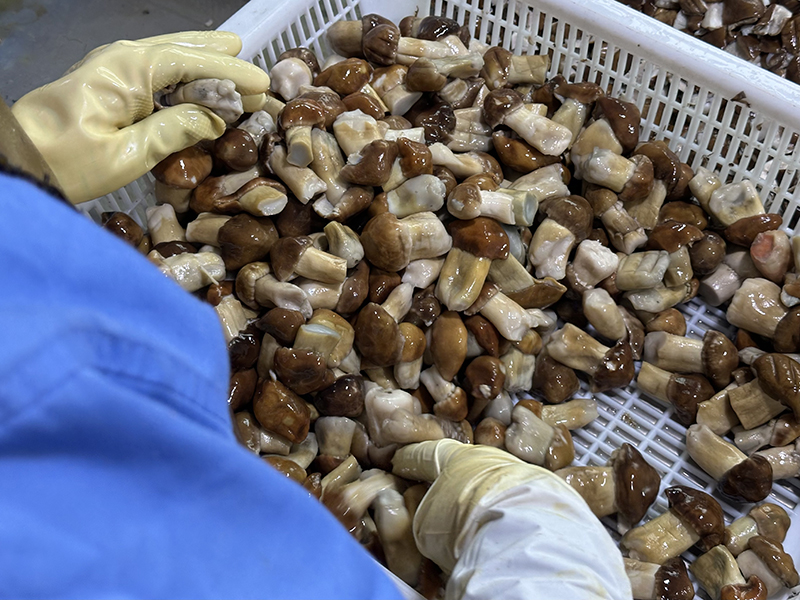
The role of quality control is to reduce surprises. For brined mushroom purchasing, quality is not only appearance. It includes mushroom identity, size consistency, color, texture, brine clarity, salt balance, odor, foreign matter control, packaging integrity, and the stability of the product during storage and transport.
Quality Control
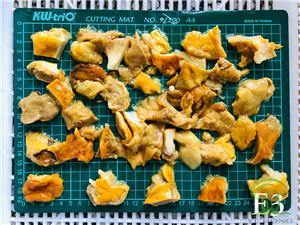
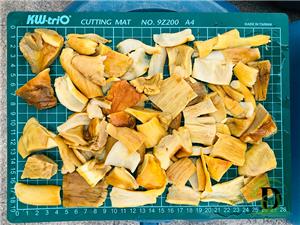
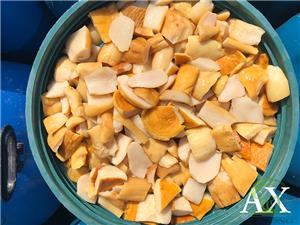
Brined mushrooms are often purchased for further processing rather than direct retail display. They may be used in canned foods, sauces, toppings, ready meals, mixed vegetable products, food-service packs, or repacking programs. This means buyers should describe the final application before asking for price, because the correct specification depends on how the ingredient will be used.
The role of quality control is to reduce surprises. For brined mushroom purchasing, quality is not only appearance. It includes mushroom identity, size consistency, color, texture, brine clarity, salt balance, odor, foreign matter control, packaging integrity, and the stability of the product during storage and transport.
Commercial Terms
For B2B trade, a reliable supplier is not defined by the lowest quotation. Price matters, but the final decision usually depends on whether the factory can maintain stable raw material sourcing, reasonable grading discipline, export packing experience, clear communication, and documentation that matches the requirements of the destination market.
Many buyers also evaluate communication speed. In B2B food trade, delayed answers can create real costs because import planning depends on production schedules, vessel space, document preparation, and customer commitments. A supplier who responds clearly and consistently often provides more value than one who only sends a low price.
Application Fit
Brined mushrooms are often purchased for further processing rather than direct retail display. They may be used in canned foods, sauces, toppings, ready meals, mixed vegetable products, food-service packs, or repacking programs. This means buyers should describe the final application before asking for price, because the correct specification depends on how the ingredient will be used.
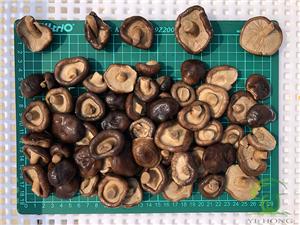
The key feature of brined shiitake mushrooms is recognizable flavor, stable industrial demand and wide use in sauces, canned foods and prepared meals. This matters because different downstream buyers evaluate mushrooms differently. A sauce manufacturer may focus on flavor release after processing, while a canned food factory may care more about shape, texture, and defect rate. A distributor may need the product to be easy to describe, easy to price, and easy to reorder.
Brined Shiitake Mushrooms is a practical industrial ingredient because it can be stored and transported more predictably than fresh mushrooms. For global food manufacturers, the value of the product is not only its mushroom identity but also its ability to fit into production schedules, repacking operations, ingredient blending, and private-label or bulk distribution.
How Packaging Choices Affect International Mushroom Supply Chains
For B2B mushroom buyers, packaging is not only a method of protecting products during transportation. It also directly affects warehouse management, production efficiency, and overall purchasing costs.
Industrial buyers usually select packaging formats according to their processing requirements. Large-capacity containers are suitable for food factories that need continuous production, while customized packaging solutions may be preferred by distributors and brands targeting different markets.
During international transportation, packaging stability is especially important. Proper container selection, weight control, sealing methods, and loading optimization can reduce risks during long-distance shipping and help maintain consistent product conditions after arrival.
A reliable brined mushroom supplier should understand not only mushroom processing but also global logistics requirements. By combining suitable packaging solutions with efficient export management, suppliers can help buyers improve inventory planning and reduce unnecessary operational costs.
Practical Questions
A common sourcing mistake is to ask every supplier for the same generic quotation without defining size, grade, packing, drained weight expectation, salt level, acceptable defect level, labeling requirement, and shipment plan. Without these details, quotations are difficult to compare and the lowest price may hide compromises in raw material, sorting, packing, or service.
When a buyer asks whether one supplier is better than another, the answer depends on application. A premium food brand may choose a more selective grade. A large food processor may prioritize stable volume and consistent performance. A distributor may prefer flexible packing and responsive communication. The best supplier is the one whose operating model fits the buyer's business.
For B2B trade, a reliable supplier is not defined by the lowest quotation. Price matters, but the final decision usually depends on whether the factory can maintain stable raw material sourcing, reasonable grading discipline, export packing experience, clear communication, and documentation that matches the requirements of the destination market.