Brined Shiitake In Drum for Food Manufacturers: How to Choose the Right Size, Cut and Commercial Specification
What Is Brined Shiitake In Drum?
Brined shiitake is shiitake mushroom preserved in a brine solution and supplied as a processed food ingredient. When packed in drums, the product is generally intended for commercial buyers that purchase larger quantities.
Typical buyers include:
Food manufacturers
Mushroom importers
Ingredient distributors
Food wholesalers
Pizza manufacturers
Pasta manufacturers
Sauce producers
Prepared-food factories
Restaurant suppliers
Foodservice distributors
Depending on the product specification, commercial brined shiitake can be supplied in whole mushrooms or different cut formats.
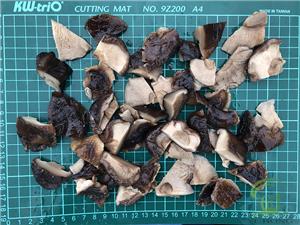
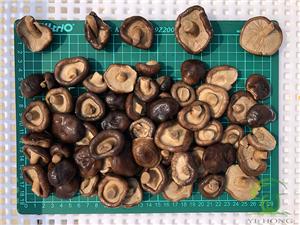
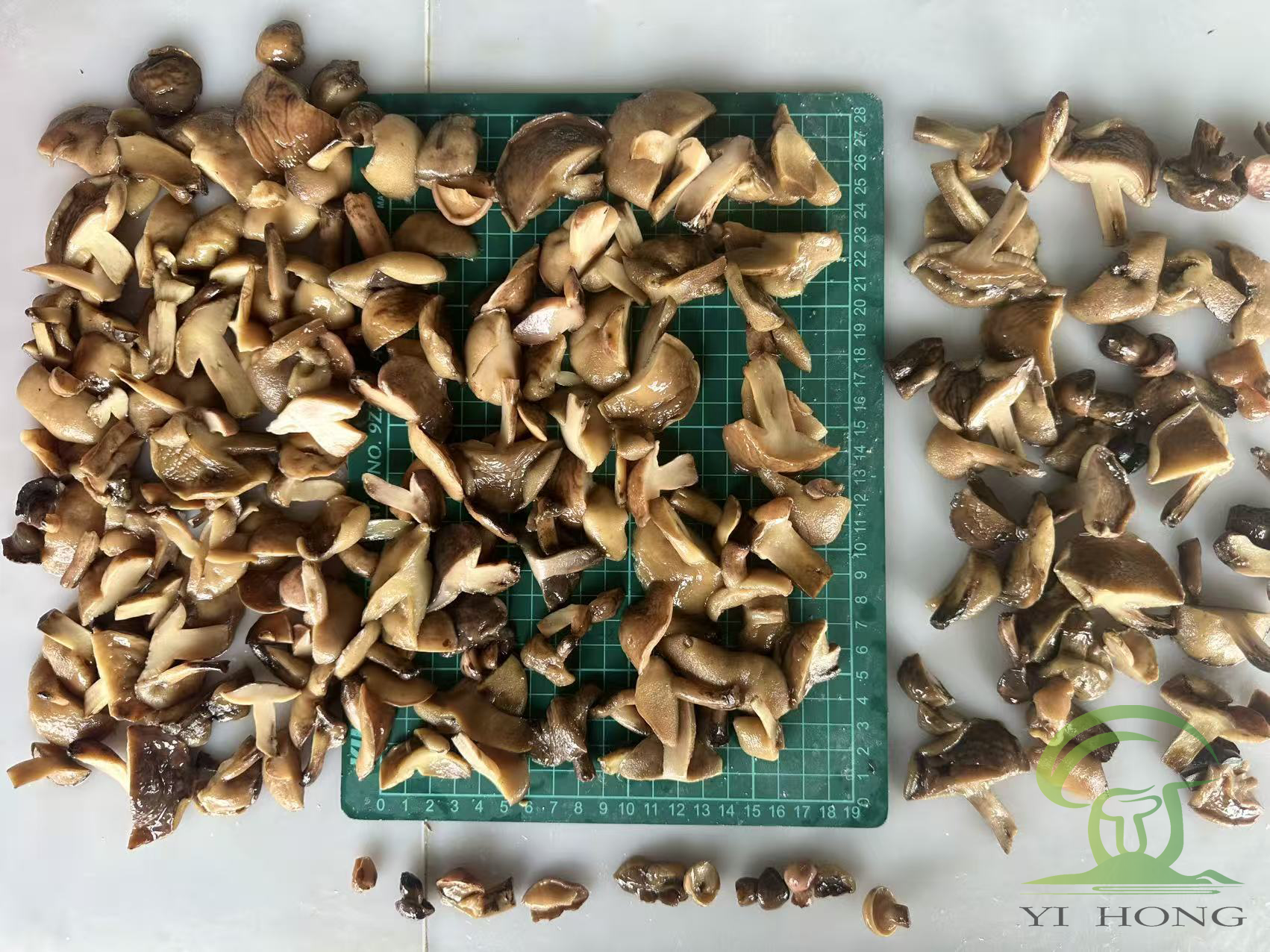
YIHONG's current product range includes 2–4 cm shiitake, quarter-cut shiitake, cubes, strips, and other mushroom products. This variety is useful because different food applications require different formats.
Why Drum Packaging Is Used for B2B Mushroom Purchasing
Drum packaging is designed around bulk handling.
For a food manufacturer using hundreds of kilograms or several tons of mushrooms, purchasing many small consumer packages would create unnecessary packaging, handling, and warehouse work.
A commercial drum can simplify the movement of larger quantities from the supplier to the buyer.
The basic supply chain may look like:
Production → Packaging → Container Loading → Import → Warehouse → Food Production
At every stage, the buyer needs to understand the product's weight and packaging configuration.
That is why professional purchasing documents should include net weight, drained weight, gross weight, drum dimensions, and loading information.
Why the Product Name Is Not Enough
Two suppliers can both quote “Brined Shiitake In Drum” while offering products that are not directly comparable.
One may offer whole 2–4 cm mushrooms.
Another may offer quarter-cut mushrooms.
A third may provide cubes.
The drained weight per drum may also be different.
Therefore, a buyer should define the specification before comparing prices.
| Specification | What the Buyer Should Confirm |
| Mushroom type | Shiitake |
| Size | Exact range or required dimensions |
| Cut | Whole, quarter cut, cube, strip, etc. |
| Drained weight | Usable mushroom weight per drum |
| Gross weight | Total shipment weight |
| Packaging | Drum specification and dimensions |
| Shelf life | Confirmed for the exact SKU |
| MOQ | Minimum commercial quantity |
| Lead time | Expected production period |
Whole Shiitake in Drum: When Is It the Better Choice?
Whole shiitake can be useful when the mushroom's appearance matters or when the buyer wants to perform its own cutting after receiving the product.
Whole mushrooms can provide flexibility.
A distributor may sell the product to customers with different processing requirements. A food factory may also prefer to control the cutting process internally.
However, whole mushrooms are not automatically cheaper after all costs are considered.
If a factory needs to cut every mushroom before production, the buyer needs to account for:
Labor
Equipment
Production time
Cleaning
Processing loss
Quality control
For a high-volume production line, these costs can become significant.
2–4 cm Shiitake in Brine
A standardized size range can be useful when a food manufacturer needs consistent mushroom dimensions.
YIHONG currently lists a 2–4 cm Shiitake In Brine product in whole form and drum packaging. The listed specification includes a 50 kg drained weight per drum, approximately 70 kg gross weight, a 24-month shelf life, and listed supply capacity of 150 tons per month. The actual specification should be confirmed with the supplier according to the order and destination requirements.
For a manufacturer, the importance of this type of specification is not simply the number itself.
It gives the purchasing department something measurable to compare.
Instead of asking:
“Is your shiitake good quality?”
The buyer can ask:
“Can you consistently supply the agreed size, drained weight, packaging, and shelf-life specification?”
That is a much more useful B2B question.
Quarter-Cut Shiitake for Food Manufacturing
Quarter-cut shiitake can be useful when whole mushrooms are not suitable for the final recipe.
Cutting the mushroom before it reaches the food factory can reduce some preparation work.
This can be especially useful in recipes where mushrooms need to be distributed through the final product.
Potential applications include:
Pizza
Pasta
Prepared meals
Mushroom sauces
Foodservice products
Mixed mushroom products
However, buyers should not assume that “quarter cut” has exactly the same meaning across different suppliers.
Ask for the actual dimensions, sample photographs, product sample, and agreed tolerance before placing a large order.
Shiitake Cubes and Smaller Cuts
Some food manufacturers require smaller mushroom pieces because their products are mixed rather than visually centered around the mushroom.
For example, a sauce manufacturer may want the mushroom to be evenly distributed throughout the product.
A prepared-food producer may need a defined cube size for portion control.
A filling manufacturer may require a particular cut so the mushroom works correctly with automatic equipment.
In these situations, standardized cuts can be more useful than whole mushrooms.
Before ordering cubes, strips, blocks, or other processed formats, specify:
Length
Width
Thickness
Tolerance
Percentage of broken pieces
Drained weight
The more precise the specification, the easier it is for both sides to evaluate the sample.
How to Choose the Right Shiitake Format for Your Factory
A simple decision process can help.
Step 1: Identify the final product.
Is it pizza, pasta, sauce, soup, prepared food, foodservice, or another product?
Step 2: Determine whether the mushroom will remain visible.
If yes, appearance and size may become more important.
Step 3: Determine whether additional cutting is required.
If cutting is necessary, compare the labor and equipment cost with the price difference between whole and pre-cut products.
Step 4: Determine the required drained weight.
This allows purchasing to compare suppliers using usable mushroom quantities.
Step 5: Test the sample in the actual recipe.
This is the final check before a large order.
Drained Weight vs Gross Weight
This is one of the most important concepts when buying Brined Shiitake In Drum.
The gross weight of a drum includes more than the mushroom itself.
It may include:
Mushrooms
Brine
Drum
Other packaging components
Therefore, gross weight is important for logistics, but drained weight is usually more useful for calculating the actual ingredient cost.
The basic formula is:
Cost per drained kilogram = Drum price ÷ Drained mushroom weight
For example:
| Supplier A | Supplier B | |
| Drum price | $120 | $126 |
| Drained weight | 45 kg | 50 kg |
| Effective cost/kg | $2.67 | $2.52 |
The second quotation looks more expensive when viewed by drum price, but it provides a lower cost per kilogram of usable mushroom.
For large-volume procurement, this difference should not be ignored.
Calculate Landed Cost, Not Just Supplier Price
International buyers need to look beyond the factory quotation.
A more realistic calculation includes:
Product price + Ocean freight + Insurance + Import charges + Port fees + Inland transportation + Warehouse costs
Then divide the total by the usable drained mushroom quantity.
For example, if an importer receives 100 drums with 50 kg drained mushroom per drum:
100 × 50 kg = 5,000 kg
If the total landed cost is $14,500:
$14,500 ÷ 5,000 kg = $2.90/kg
This gives the buyer a much better basis for comparing suppliers.
How Brined Shiitake Can Fit Different Food Industries
Pizza Manufacturing
Pizza manufacturers often need mushroom pieces that distribute consistently across the product.
The ideal size depends on the pizza format, topping system, and production equipment.
Pasta and Pasta Sauce
For pasta products, mushroom pieces may need to blend into a sauce while remaining visible enough to provide the desired appearance.
Mushroom Sauce
Smaller pieces or standardized cuts can make production easier when the mushroom needs to be evenly distributed.
Prepared Meals
Prepared-food factories may require a balance between visual appearance, portion control, texture, and processing efficiency.
Foodservice Supply
Distributors supplying restaurants and foodservice businesses may prefer standardized drum packaging because their customers purchase mushrooms in commercial quantities.
What Should a Food Factory Check During Sample Testing?
A sample should be tested in a controlled way.
Start with appearance.
Then check:
Size consistency
Cut consistency
Texture
Drained weight
Salt perception
Preparation loss
Cooking performance
Appearance after cooking
Most importantly, use the mushroom in the actual product formula.
If your factory produces sauce, put the sample into the sauce.
If you produce pizza, test it on the pizza.
If you produce prepared meals, test it under the same cooking conditions used in commercial production.
This provides much more useful information than simply tasting the mushroom by itself.
Why Consistent Supply Matters
For an importer, the first container is only the beginning.
If the mushroom is going to become part of a regular product line, the supplier needs to support repeat orders.
This means buyers should evaluate:
Production capacity
Raw material supply
Quality control
Specification consistency
Packaging consistency
Lead time
Communication
Documentation
A supplier that offers a good sample but cannot maintain the specification on future orders may create more problems than a slightly more expensive but consistent supplier.
How to Write an RFQ for Brined Shiitake In Drum
If you want suppliers to provide useful quotations, give them enough information from the beginning.
A professional RFQ can include:
Product: Brined Shiitake In Drum
Preferred size
Whole or cut format
Required drained weight
Estimated quantity
Intended application
Destination country
Destination port
Expected purchasing frequency
Required documentation
For example:
“We are looking for Brined Shiitake In Drum for commercial food production. Required format: whole. Target size: 2–4 cm. Estimated quantity: 100 drums for the first order. Application: prepared food production. Destination: [country/port]. Please provide drained weight, gross weight, drum dimensions, MOQ, shelf life, production lead time, sample availability, and quotation.”
This type of request gives the supplier a much clearer picture of what you need.
Why the Supplier's Product Range Matters
A supplier with multiple mushroom specifications can sometimes provide a better solution because buyers do not all have the same requirements.
YIHONG's current shiitake range includes whole 2–4 cm shiitake, quarter-cut shiitake, cubes, strips, and other mushroom formats.
This means a buyer can discuss the application first and then determine which format is most appropriate.
For example:
| Buyer Requirement | Potential Direction |
| Visible mushroom pieces | Whole or larger pieces |
| Standardized mushroom size | Specified size range |
| Pizza production | Controlled cut or size |
| Sauce production | Smaller standardized pieces |
| Further processing | Whole mushrooms may provide flexibility |
Questions to Ask Before the First Container
What is the exact mushroom size?
How is the size measured?
Is the product whole or cut?
What is the drained weight per drum?
What is the gross weight?
What are the drum dimensions?
What is the shelf life?
What is the MOQ?
What is the production lead time?
Can you provide a sample?
Can we test the sample in our production process?
What is the monthly supply capability?
What export documents are available?
Can the same specification be supplied for repeat orders?
Why Application-Based Purchasing Is Better
The mushroom industry has many different buyers, and each buyer may use the same ingredient differently.
A distributor may care about packaging and price.
A food manufacturer may care about yield and production efficiency.
A pizza manufacturer may care about size and appearance.
A sauce producer may care about texture and distribution.
A restaurant supplier may care about customer flexibility.
There is no single specification that is perfect for all of them.
That is why the most useful supplier conversation starts with the buyer's application.
Conclusion
Brined Shiitake In Drum can be a practical commercial ingredient for food manufacturers, importers, distributors, and foodservice suppliers, but the right product should always be selected according to the actual production requirement.
Size, whole or cut format, drained weight, packaging, shelf life, sample performance, production capacity, and delivery time should all be evaluated before placing a large order.
For international buyers, the best comparison is not simply the lowest drum price. A more meaningful calculation considers the amount of usable mushroom received, the processing required inside the factory, the landed cost, and the supplier's ability to maintain the agreed specification on repeat orders.
YIHONG supplies commercial shiitake products in different formats and can discuss product specifications according to the buyer's application. If you are sourcing brined shiitake in drum for a food factory, wholesale business, pizza production, sauce manufacturing, prepared food, or foodservice distribution, provide your required size, format, quantity, application, and destination port when requesting a quotation.