Brined Boletus Mushrooms in Drum: A Practical Buying Guide for Food Importers and Mushroom Distributors (1)
For food importers, mushroom distributors, ingredient wholesalers, and food manufacturers, buying preserved boletus mushrooms is not simply a matter of finding the lowest quotation. When a product is purchased by the drum, small differences in mushroom size, drained weight, grade, texture, packaging, and processing specification can have a noticeable effect on the final cost and production result.
This is why buyers searching for Brined Boletus Mushrooms in Drum should look beyond the product name. A professional purchasing decision should consider the mushroom specification, intended application, usable mushroom weight, packaging, shelf life, sample performance, production capacity, and delivery requirements.
Boletus, also commonly known as porcini in international food markets, has a distinctive mushroom flavor and is used in many food applications. When supplied in brine and packed in drums, it becomes a practical bulk ingredient for companies that need larger quantities of processed mushrooms rather than small retail packages.
This guide explains what international buyers should check before ordering brined boletus mushrooms in drum and how to compare different products more effectively.
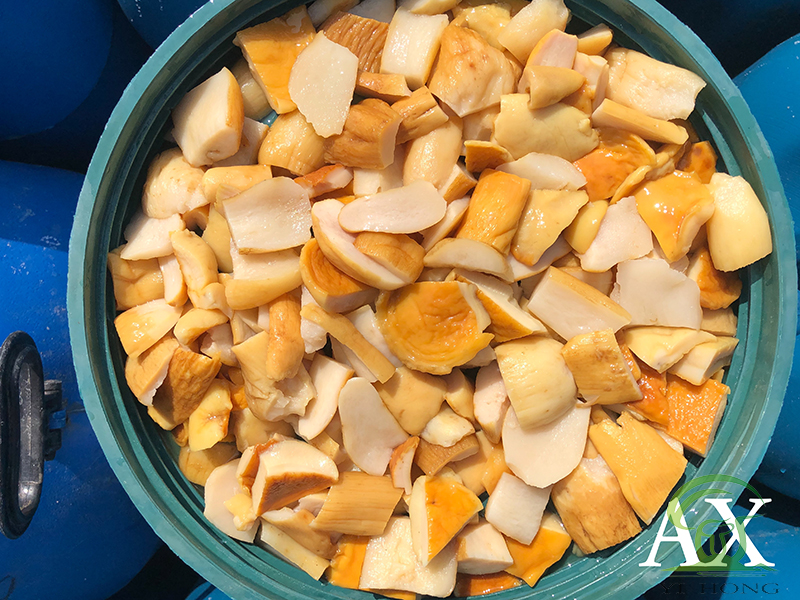
What Are Brined Boletus Mushrooms in Drum?
Brined boletus mushrooms are boletus mushrooms preserved in a brine solution and prepared for commercial food use. Instead of being sold as fresh mushrooms, the processed product is packed in bulk packaging suitable for transportation, storage, and further food processing.
The word “drum” is important in B2B mushroom purchasing because the product is normally intended for larger-volume commercial use. A food factory may need hundreds or thousands of kilograms of mushrooms for sauces, prepared foods, pizza products, mushroom mixes, foodservice products, or other recipes.
Compared with small consumer packaging, drum packaging allows buyers to purchase mushrooms in a format more suitable for industrial production and wholesale distribution.
However, not every drum of boletus mushrooms should be considered equivalent. Two products may have similar names while having different grades, mushroom sizes, drained weights, appearance, and commercial specifications.
For this reason, the first step in purchasing should always be to define the product clearly.
Why Do Buyers Choose Brined Boletus Mushrooms in Drum?
Fresh mushrooms can be highly dependent on harvesting conditions, transportation, seasonal availability, and local storage arrangements. For food manufacturers, this can create challenges when the mushroom is used as a regular ingredient rather than an occasional specialty product.
Brined boletus mushrooms provide a different purchasing format. The mushrooms are processed and preserved before being supplied to the buyer, making them suitable for companies that need a commercial ingredient for further processing.
Typical B2B buyers may include:
Food ingredient importers
Mushroom wholesalers
Food distributors
Sauce manufacturers
Prepared-food manufacturers
Pizza ingredient suppliers
Restaurant and foodservice suppliers
Canned food processors
Mushroom product manufacturers
Private-label food companies
The main advantage for these buyers is not simply convenience. The more important point is that the product can be purchased according to a defined commercial specification.
Start With the Boletus Grade and Size
One of the first questions a buyer should ask is: What size and grade of boletus do I actually need?
Size affects the appearance of the mushroom, portion control, processing requirements, and the final appearance of the finished food.
For example, a manufacturer producing a mushroom sauce may have different requirements from a company selling mushrooms as a visible ingredient in prepared dishes.
A smaller mushroom may be easier to distribute throughout a sauce or prepared food. A larger mushroom may provide a more noticeable appearance when the mushroom remains visible in the final product.
Therefore, the correct specification depends on the application.
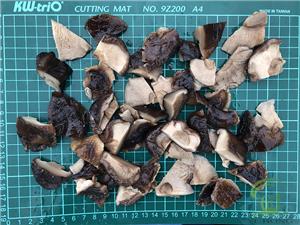
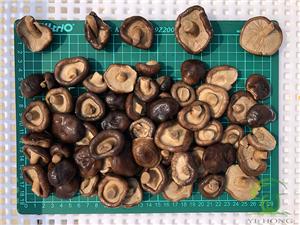
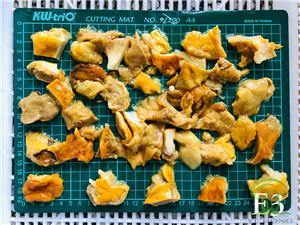
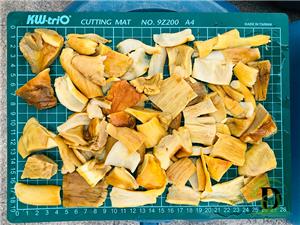
Commercial boletus products can be supplied in different grades and size ranges. For example, one current YIHONG product specification for Boletus Edulis In Brine A2 lists a size range of 1.6–3.5 cm, drum packaging, and a 24-month shelf life. Another E3 specification lists a 1–5 cm size range and drum packaging. Buyers should confirm the exact specification for the SKU being quoted rather than assuming that all grades have the same characteristics.
Why Mushroom Size Matters in Food Production
Imagine two factories buying the same species of mushroom.
Factory A produces mushroom sauce.
Factory B produces a prepared meal in which the mushrooms remain visible.
Factory A may prefer a smaller or more standardized mushroom size because the product needs to be distributed evenly through the sauce. Factory B may prefer a larger piece because appearance is part of the final product.
This means that a higher-grade or larger mushroom is not automatically the better choice.
The better product is the one that matches the buyer's production process.
Before requesting a quotation, buyers should therefore define:
Preferred mushroom size
Whole or cut format
Target grade
Intended food application
Expected monthly consumption
Required drum specification
Drained Weight Is More Important Than Many Buyers Expect
A drum of brined mushrooms contains more than mushrooms.
It can include mushrooms, brine, packaging, and other components depending on the agreed packing specification.
For this reason, gross weight alone does not tell a buyer how much mushroom material is actually available for production.
Drained weight is one of the most useful figures when comparing different suppliers.
For example, YIHONG's listed Boletus Edulis In Brine A2 specification gives a drained weight of 45 kg per drum, with a gross weight of approximately 65 kg with a stated tolerance. This type of information allows a buyer to compare the usable mushroom quantity instead of simply comparing the drum price.
A simple purchasing calculation is:
Effective mushroom cost = Drum price ÷ Drained mushroom weight
Consider a simple example.
| Supplier | Drum Price | Drained Weight | Cost per Drained kg |
|---|---|---|---|
| Supplier A | $120 | 45 kg | $2.67/kg |
| Supplier B | $125 | 50 kg | $2.50/kg |
Supplier B has a higher drum price, but the cost per kilogram of usable mushroom is lower.
This is why experienced importers rarely compare mushroom suppliers using only the quoted price per drum.