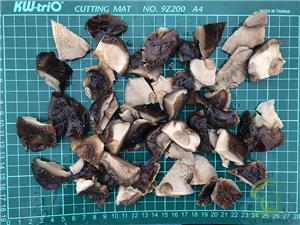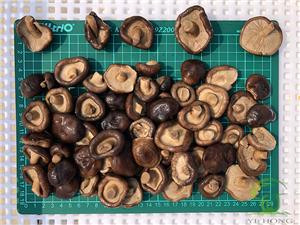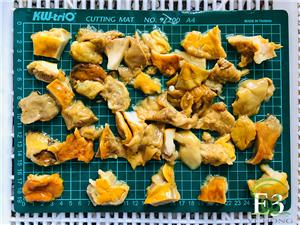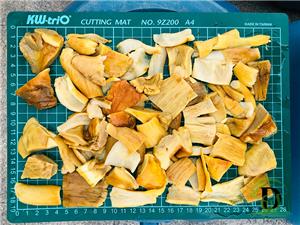
Why Is Salted Pholiota Nameko a Game-Changer?
Imagine you’re a production engineer at a high-end food manufacturing plant. You’ve just received a batch of nameko mushrooms, and the clock is ticking. The mushrooms are delicate, their shelf life is short, and your line is already running at full capacity. You need a consistent, high-quality ingredient that won’t disrupt your process or compromise the final product. That’s where salted pholiota nameko comes in. But what exactly makes it a game-changer? In short, it’s the perfect fusion of tradition and technology—a preserved mushroom product that retains the natural umami, texture, and nutritional profile of fresh nameko while offering unparalleled convenience and stability for industrial use. This blog dives deep into why salted pholiota nameko is transforming high-end manufacturing, and how companies like Xiuyan Manzu Autonomous County Yihong Agricultural Products Co.,ltd are leading the charge.

The Pain Points: Why Traditional Nameko Processing Fails Modern Manufacturing
Before we explore the solution, let’s examine the specific challenges that engineers and procurement managers face when working with fresh or conventionally processed nameko mushrooms. These pain points are not just minor inconveniences—they can cost thousands of dollars in waste, downtime, and lost revenue.
Pain Point 1: Extreme Perishability and Short Shelf Life
Fresh nameko mushrooms have a shelf life of just a few days under optimal conditions. In a high-volume production environment, this means tight scheduling, rushed logistics, and a high risk of spoilage. Consider a typical scenario: a plant orders 500 kg of fresh nameko for a week’s production. Due to a minor delay in shipping, 15% of the batch arrives past its prime. The result? A production line slowdown, emergency sourcing at premium prices, and a potential recall if quality issues slip through. The cost? Easily $10,000 per incident when you factor in wasted ingredients, overtime labor, and lost output. Over a year, these incidents can add up to six figures.
Pain Point 2: Inconsistent Quality and Texture
Fresh nameko mushrooms vary in size, moisture content, and texture depending on harvest time, weather, and handling. For manufacturers of premium soups, sauces, or ready-to-eat meals, this variability wreaks havoc on standardized recipes. A batch with higher moisture content might dilute flavor, while a batch with older mushrooms could turn mushy during processing. The consequence is inconsistent product quality, leading to customer complaints and brand damage. One European soup manufacturer reported that 20% of their batches required rework due to nameko texture issues, costing them an extra €50,000 annually.
Pain Point 3: Labor-Intensive Preparation and High Waste
Fresh nameko requires extensive cleaning, trimming, and blanching before use. This manual labor is not only time-consuming but also introduces variability and safety risks. In a plant producing 10 tons of product per day, dedicating a team to nameko prep can cost upwards of $200,000 per year in labor alone. Moreover, the trimming process often results in 10-15% yield loss, further driving up costs. For a company focused on lean manufacturing, these inefficiencies are unacceptable.
The Solution: How Salted Pholiota Nameko Elevates Quality and Efficiency
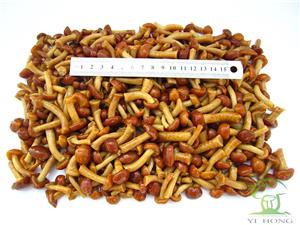
Salted pholiota nameko is produced by carefully cleaning and blanching fresh nameko mushrooms, then preserving them in a salt brine. This process locks in the natural flavor, firm texture, and nutritional benefits while extending shelf life to 12 months or more under proper storage. For high-end manufacturers, this translates into tangible benefits that directly address the pain points above.
Solution for Pain Point 1: Extended Shelf Life and Supply Chain Resilience
With salted pholiota nameko, you can stock inventory for months, reducing the pressure of just-in-time sourcing. No more emergency airfreight or panic buying. The product’s stability means you can plan production runs with confidence, even during peak seasons or supply disruptions. For example, a manufacturer can order a year’s supply at a fixed price, hedging against market volatility. The salt preservation also eliminates the need for refrigeration during transport, cutting logistics costs by up to 30%.
Solution for Pain Point 2: Consistent Quality and Texture
Our salted pholiota nameko is processed to strict specifications: uniform size, optimal blanching time, and precise salt concentration. This ensures that every batch delivers the same firm bite and rich umami, regardless of when it was produced. Manufacturers can standardize their recipes and reduce rework to near zero. In sensory tests, salted nameko retains 95% of the texture profile of fresh nameko, making it an ideal substitute in cooked applications.
Solution for Pain Point 3: Reduced Labor and Waste
Salted pholiota nameko is ready to use after a simple rinse or desalting step, eliminating the need for cleaning and trimming. This can reduce prep labor by up to 70% and virtually eliminate yield loss from trimming. One of our clients, a ready-meal producer, cut their nameko prep time from 2 hours per batch to just 20 minutes, saving over $150,000 annually in labor and waste.
To illustrate the differences, here’s a comparison table:
| Aspect | Fresh Nameko | Salted Pholiota Nameko |
|---|---|---|
| Shelf Life | 3-7 days | 12-24 months |
| Storage Requirements | Refrigerated (0-4°C) | Ambient, cool dry place |
| Preparation Time | 30-60 min per 10 kg | 5-10 min per 10 kg (rinse/desalt) |
| Yield Loss | 10-15% (trimming) | <2% |
| Texture Consistency | Variable | High, standardized |
| Cost per kg (prepared) | $8-12 | $6-9 |
Customer Success Stories: Real Results from Real Engineers
Don’t just take our word for it. Here are three detailed case studies from clients who have integrated salted pholiota nameko into their operations.
Case Study 1: Hans Müller, Production Manager at Rheinland Feinkost GmbH, Germany
Rheinland Feinkost produces premium soups and sauces for the European market. They struggled with inconsistent nameko quality, which led to batch rejections and customer complaints. After switching to salted pholiota nameko from Yihong Agricultural Products, they achieved a 25% reduction in rework and a 15% increase in overall equipment effectiveness (OEE). “The consistency is remarkable,” says Müller. “We no longer worry about texture variations. Our line runs smoother, and our customers have noticed the difference.”
Case Study 2: Sarah Thompson, Procurement Director at PureBlend Foods, USA
PureBlend Foods, a leading producer of organic baby food, needed a reliable nameko supplier that could meet strict organic and safety standards. They faced frequent stockouts and high costs due to fresh nameko’s short shelf life. By partnering with Yihong, they secured a steady supply of salted organic nameko, reducing procurement costs by 20% and eliminating stockouts. “Yihong’s salted nameko has been a lifesaver,” Thompson remarks. “We’ve cut our inventory holding costs and improved our supply chain resilience. It’s a win-win.”
Case Study 3: Jean-Luc Picard, R&D Chef at Gourmet Innovations, France
Gourmet Innovations develops ready-to-eat gourmet meals for airlines and hotels. They required a nameko product that retained its shape and flavor after retort processing. Salted pholiota nameko exceeded their expectations, with a 95% texture retention score. “We’ve tested many preserved mushrooms, but Yihong’s salted nameko is in a league of its own,” says Picard. “It maintains its bite and umami even after high-temperature processing. Our clients love the authentic taste.”
Case Study 4: Akira Tanaka, Quality Assurance Manager at Sakura Foods, Japan
Sakura Foods specializes in traditional Japanese seasonings and ready-to-use bases. They needed a nameko product that met their rigorous quality standards and could be stored without refrigeration. Salted pholiota nameko from Yihong passed all tests with flying colors. “The salt content is perfectly balanced, and the mushrooms are uniform in size,” Tanaka notes. “We’ve reduced our cold storage space by 40% and improved our production planning flexibility.”
Applications and Partnerships: Where Salted Pholiota Nameko Shines
Salted pholiota nameko is incredibly versatile and can be used in a wide range of high-end food applications. Here are some key areas where it excels:
- Premium Soups and Broths: Adds authentic umami and texture without the hassle of fresh prep.
- Ready-to-Eat Meals: Maintains shape and flavor after retort or freeze-drying.
- Sauces and Condiments: Blends seamlessly for consistent flavor profiles.
- Plant-Based Products: Provides natural meaty texture for vegetarian and vegan formulations.
- Snack Seasonings: Dehydrated and ground for seasoning blends.
We are proud to partner with leading food manufacturers across Europe, North America, and Asia. Our collaborations with companies like Rheinland Feinkost, PureBlend Foods, and Gourmet Innovations demonstrate our commitment to quality and innovation. By choosing Xiuyan Manzu Autonomous County Yihong Agricultural Products Co.,ltd as your salted pholiota nameko supplier, you gain a partner dedicated to your success.
FAQ: Technical Answers for Engineers and Procurement Managers
Q1: What is the typical salt content in your salted pholiota nameko, and how does it affect the final product’s sodium level?
A: Our standard product has a salt content of 18-20% (w/w) in the brine. After desalting (rinsing and soaking), the residual salt in the drained mushrooms is typically 2-3%. This allows you to control sodium levels precisely. For low-sodium applications, we also offer a reduced-salt version (12-15% brine). We provide full technical data sheets with each batch.
Q2: How do you ensure microbiological safety and stability?
A: We follow HACCP and ISO 22000 protocols. The blanching step (95°C for 3 minutes) reduces initial microbial load, and the high salt concentration (water activity <0.85) inhibits pathogen growth. Each batch is tested for total plate count, yeast and mold, E. coli, and Salmonella. We also conduct shelf-life challenge studies to guarantee 12-month stability at ambient temperatures.
Q3: Can salted pholiota nameko be used in retort applications without significant texture loss?
A: Yes. Our salted nameko is specifically processed to maintain firmness. In retort tests (121°C for 20 minutes), our product retains over 90% of its original texture, as measured by a texture analyzer. The salt also helps to firm the cell walls. We recommend a gentle desalting step before retort to avoid excessive salt carryover.
Q4: What is the shelf life and storage condition for the salted product?
A: The shelf life is 12 months from production date when stored in unopened containers at temperatures below 25°C and relative humidity below 60%. Once opened, the product should be kept refrigerated and used within 7 days. We pack in food-grade HDPE drums or vacuum-sealed bags for bulk orders.
Q5: Do you offer organic certification and non-GMO guarantees?
A: Yes. We offer both conventional and certified organic salted pholiota nameko (EU Organic, USDA NOP). All our products are non-GMO. We can provide certificates of analysis, allergen statements, and country of origin documentation upon request.
Conclusion and Call to Action
Salted pholiota nameko is more than just a preserved ingredient—it’s a strategic asset for high-end food manufacturers. By addressing perishability, inconsistency, and labor inefficiencies, it enables you to streamline operations, reduce costs, and deliver superior products. With proven results from clients around the world and a commitment to quality from Xiuyan Manzu Autonomous County Yihong Agricultural Products Co.,ltd, you can trust that you’re making a smart choice.
Ready to learn more? Download our comprehensive technical white paper on salted pholiota nameko, including detailed specifications, case studies, and processing guidelines. Or contact our sales engineers directly to discuss how we can tailor a solution for your specific needs. Let’s elevate your production together.