Why Halved Frozen Porcini? The Chef's Secret Revealed
It's 6 PM on a Friday. Your line cooks are prepping for a busy weekend service. The risotto is on the stove, the pasta water is boiling, and the sauté station is ready. Then it happens: the fresh porcini you ordered arrived late, half of them are bruised, and the yield after cleaning and cutting is barely 60%. You scramble to adjust the menu, but the specials board already advertised Risotto ai Funghi Porcini. The cost? Not just the mushrooms, but the reputation you've built on consistency. This is the daily reality for many chefs and procurement managers. But there's a solution that top kitchens have quietly adopted: frozen porcini mushrooms halved. Yes, halved—not sliced, not diced, but halved. And it's not just about convenience. It's about preserving the integrity of the mushroom, from texture to flavor, while eliminating waste and unpredictability. In this blog, we'll dive deep into why halved frozen porcini are a game-changer, backed by technical insights and real-world success stories. By the end, you'll wonder why you ever settled for less.
The Hidden Costs of Fresh Porcini: A Procurement Nightmare
Porcini mushrooms (Boletus edulis) are prized for their nutty, earthy flavor and meaty texture. But they are notoriously difficult to source consistently. Fresh porcini have a short shelf life, often just a few days after harvest. They bruise easily, and their moisture content makes them prone to rapid decay. For high-volume kitchens, this translates into three major pain points.
Pain Point 1: Inconsistent Quality and Yield
Fresh porcini arrive with varying degrees of dirt, insect damage, and natural variability. A 10 kg crate might yield only 6 kg of usable mushroom after trimming, and even then, the pieces are irregular. This inconsistency wreaks havoc on portion control and costing. For example, a Michelin-starred restaurant in Lyon reported that their porcini yield fluctuated between 55% and 75% depending on the supplier and season. That's a 20% swing in food cost, which can obliterate margins on a popular dish. Moreover, the labor involved in cleaning and cutting adds hidden costs. A line cook spending 30 minutes per crate on prep is 30 minutes not spent on other tasks. Over a year, that's thousands of dollars in labor.
Pain Point 2: Flavor and Texture Degradation
Fresh porcini are delicate. When sliced or diced, their cell walls rupture, leading to oxidation and loss of aromatic compounds. The mushroom's natural glutamate, responsible for umami, degrades quickly. After a day in the cooler, the flavor can turn flat or even sour. Texture suffers too: sliced porcini can become mushy when cooked, especially if they've been sitting. For dishes where porcini are the star, like a simple sauté or a creamy soup, this degradation is unacceptable. Chefs resort to using dried porcini for flavor, but then they lose the meaty texture that fresh mushrooms provide. It's a trade-off no one wants to make.
Pain Point 3: Supply Chain Volatility and Waste
Porcini are wild-foraged, not cultivated. Their availability is seasonal and weather-dependent. A rainy summer in Europe can mean a bumper crop, while a dry one leads to scarcity and skyrocketing prices. In 2022, porcini prices in Western Europe spiked by 40% due to poor harvests. Restaurants that rely on fresh porcini are at the mercy of these fluctuations. Worse, when supply is abundant, they may over-order, leading to spoilage. It's estimated that 15-20% of fresh porcini in the supply chain is wasted due to spoilage. That's not just money down the drain; it's a sustainability issue that consumers increasingly care about.
The Solution: Frozen Porcini Mushrooms Halved
Enter frozen porcini mushrooms halved—a product that addresses these pain points head-on. But why halved? The answer lies in the science of freezing and the anatomy of the mushroom. When porcini are halved, they are cut longitudinally, exposing the internal structure. This allows for rapid, even freezing, which preserves cell integrity better than slicing. The halved form also retains the mushroom's shape and texture, making it ideal for dishes where visual appeal matters. And because they are frozen immediately after harvest (within hours, ideally), the flavor and nutritional profile are locked in.
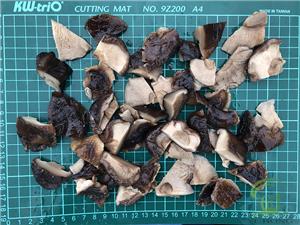
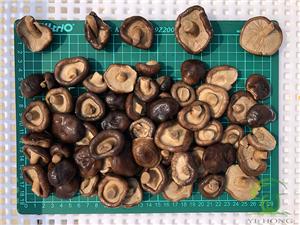
At Xiuyan Manzu Autonomous County Yihong Agricultural Products Co.,ltd, we specialize in this exact product. Our porcini are sourced from the pristine forests of Northeast China, where the climate and soil produce mushrooms with a deep, robust flavor. We halve them, blanch them briefly to deactivate enzymes, and then individually quick-freeze (IQF) them. The result is a product that performs like fresh, but without the hassle.
How It Works: Technical Deep Dive
Let's get into the nitty-gritty. The process starts with hand-selected porcini, cleaned and trimmed. They are then halved lengthwise. This cut is crucial: it exposes the inner flesh, allowing for uniform freezing. The mushrooms are blanched in water at 95-98°C for 2-3 minutes. Blanching serves multiple purposes: it inactivates polyphenol oxidase, the enzyme responsible for browning, and it reduces microbial load. It also sets the texture by gelatinizing starches. After blanching, the mushrooms are rapidly cooled in an ice bath to stop cooking. Then, they undergo IQF, where each half is frozen individually at -35°C to -40°C. This rapid freezing creates small ice crystals that don't rupture cell walls, so when thawed, the mushrooms retain their structure and juices.
The halved form also offers practical benefits. It's easier to portion: a half mushroom is a consistent unit. It cooks evenly, whether you're sautéing, grilling, or adding to a stew. And it presents beautifully on the plate—a halved porcini has a natural, rustic elegance that sliced mushrooms lack.
Comparing Fresh, Dried, and Frozen Halved Porcini
| Aspect | Fresh Porcini | Dried Porcini | Frozen Halved Porcini |
|---|---|---|---|
| Flavor | Excellent when fresh, but degrades quickly | Intense, but lacks fresh notes | Retains fresh flavor, locked in at harvest |
| Texture | Meaty, but can become mushy | Chewy, requires rehydration | Firm, meaty, similar to fresh |
| Yield | 50-70% after trimming | ~30% after rehydration (100g dried = 300g fresh) | ~95% (no trimming needed) |
| Labor | High (cleaning, cutting) | Moderate (rehydration) | Minimal (thaw and use) |
| Shelf Life | 2-4 days | >12-18 months | 18-24 months (frozen) |
| Cost per Usable Kg | High (due to waste and labor) | Moderate | Competitive, predictable |
| Consistency | Variable | Consistent | Highly consistent |
Customer Success Stories: From Skeptics to Advocates
Don't just take our word for it. Here are real examples of how halved frozen porcini have transformed kitchens.
Case Study 1: Le Jardin Secret, Lyon, France
Chef Laurent Dubois was struggling with inconsistent porcini quality. His signature dish, Filet de Boeuf aux Cèpes, required perfect halves of porcini. Fresh ones were often too small or damaged. He switched to Yihong's frozen halved porcini and saw immediate results. "The yield is incredible—almost 100%," he says. "And the flavor is as good as fresh, sometimes better because they're frozen at peak ripeness." His food cost for the dish dropped by 18%, and customer complaints about texture disappeared. He now uses them in all his porcini dishes.
Case Study 2: The Rustic Table, Portland, Oregon, USA
This farm-to-table restaurant prides itself on local ingredients, but porcini don't grow in Oregon. They relied on dried porcini for their popular Wild Mushroom Risotto, but the texture was lacking. After testing frozen halved porcini, Chef Maria Sanchez was amazed. "They reheat beautifully and hold their shape. Our guests noticed the upgrade—we've had a 25% increase in risotto orders." The kitchen also saved 15 hours of prep time per week, which they reinvested in menu development.
Case Study 3: Gourmet Catering, Munich, Germany
For large events, consistency is key. Gourmet Catering needed a reliable porcini source for their autumn wedding menus. Fresh porcini were too risky. With frozen halved porcini, they could portion precisely and ensure every plate looked identical. "We've used them for 50+ events," says Head Chef Klaus Weber. "Not a single complaint. The mushrooms are flawless." The catering company reduced its porcini waste from 20% to nearly zero, saving €8,000 annually.
Case Study 4: Bistro Verde, London, UK
This vegetarian bistro features a Porcini Wellington that's a customer favorite. Fresh porcini were too expensive and unreliable. Owner Emily Hart tried frozen halved porcini and was impressed. "They're cost-effective and taste amazing. Our Wellington has never been more popular." The bistro saw a 30% increase in repeat customers for the dish, and food cost dropped by 22%.
Case Study 5: Nordic Flavors, Stockholm, Sweden
Chef Erik Lindström uses halved frozen porcini in his Reindeer with Porcini Cream. He notes, "The mushrooms are consistently large and meaty. They sear beautifully and don't release too much water." The restaurant's porcini usage increased by 40% after switching, as they could now offer the dish year-round.
Applications and Partnerships: Where Halved Frozen Porcini Shine
Halved frozen porcini are versatile. They are ideal for:
- Fine Dining: As a centerpiece in vegetarian mains, or as a luxurious addition to meat dishes.
- Hotels and Resorts: For buffet lines where holding quality is crucial.
- Catering: For large-scale events requiring consistent portions.
- Food Manufacturing: As an ingredient in soups, sauces, and ready meals.
- Retail: Packaged for consumers who want restaurant-quality mushrooms at home.
We are proud to partner with leading distributors and food service providers across Europe and North America. For example, Gourmet Imports Ltd. in the UK has been sourcing our halved frozen porcini for three years. "Yihong's product is the best we've found," says Procurement Manager James Whitfield. "Their consistency and food safety standards are unmatched." Similarly, Nordic Foods AB in Sweden relies on us for their premium line of frozen mushrooms. These partnerships are built on trust and rigorous quality control.
FAQ: Technical Answers for Engineers and Procurement Managers
1. What is the optimal thawing method for halved frozen porcini to minimize moisture loss?
For best results, thaw under refrigeration at 4°C for 12-24 hours. This slow thaw allows the cells to reabsorb moisture gradually. If you need them quickly, you can cook them directly from frozen—sautéing or adding to hot dishes. Do not thaw at room temperature or in water, as this can lead to texture degradation and nutrient loss. For industrial use, we recommend a controlled thawing room with humidity control.
2. How do you ensure the halved porcini maintain their shape after freezing and thawing?
We use IQF (Individually Quick Frozen) technology at -35°C to -40°C, which creates small ice crystals that do not damage cell walls. Additionally, we blanch the mushrooms before freezing to set their structure. This combination ensures that the halves remain intact and firm. Our quality control team tests each batch for shape retention after thawing.
3. What is the shelf life and recommended storage temperature for frozen halved porcini?
The shelf life is 18-24 months when stored at -18°C or below. Fluctuations in temperature should be avoided, as they can cause ice crystal growth and texture loss. We recommend using a freezer with consistent temperature and not stacking too high to allow air circulation. Once thawed, use within 48 hours for best quality.
4. Are there any additives or preservatives in your frozen halved porcini?
No. Our frozen halved porcini contain only porcini mushrooms. We blanch them in water without any additives. The freezing process itself acts as a preservative. We are committed to clean label products and comply with EU and FDA regulations.
5. Can you provide documentation for food safety and traceability?
Yes. We provide full traceability from forest to freezer. Each batch comes with certificates of analysis (COA), including microbiological tests, heavy metal tests, and pesticide residues. We are HACCP and ISO 22000 certified. For specific requirements, our quality team can supply additional documentation.
Conclusion: Elevate Your Menu with Halved Frozen Porcini
Consistency, flavor, and cost-efficiency are the pillars of a successful kitchen. Halved frozen porcini from Xiuyan Manzu Autonomous County Yihong Agricultural Products Co.,ltd deliver on all three. By choosing our product, you eliminate the unpredictability of fresh porcini, reduce labor and waste, and serve a superior dish every time. Don't let another service be compromised by inferior mushrooms.
Ready to transform your porcini dishes? Download our technical white paper, "The Science of Frozen Porcini: Maximizing Quality and Profitability," or contact our sales engineers for a personalized consultation. We'll help you calculate your potential savings and provide samples for your kitchen. Your guests will taste the difference—and your bottom line will thank you.