Why Are Frozen Wild Porcini Mushrooms So Prized?
Imagine a high-end restaurant kitchen during the peak of autumn. The chef reaches for a vacuum-sealed bag of frozen wild porcini mushrooms, thawing them gently to release the earthy, nutty aroma that defines a perfect risotto. This scene is not just about convenience; it's about capturing the essence of the forest at its finest. But why are frozen wild porcini mushrooms so prized? The answer lies in their unique flavor profile, nutritional benefits, and the meticulous preservation process that locks in the wild character of these mushrooms.

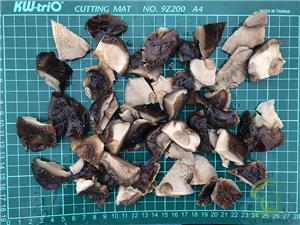
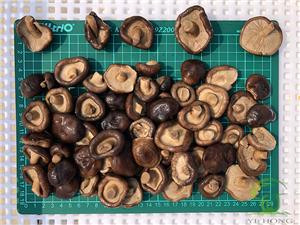
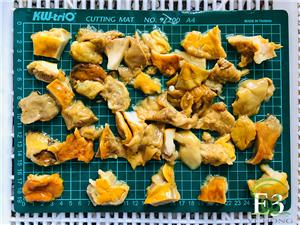
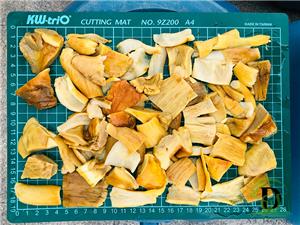
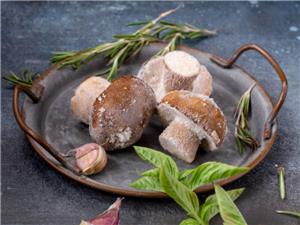
Wild porcini mushrooms (Boletus edulis) are renowned for their meaty texture and rich, umami taste. They are difficult to cultivate, making wild foraging the primary source. However, fresh wild porcini have a short shelf life, often just a few days. Freezing technology, when done correctly, preserves their organoleptic properties, allowing chefs and food manufacturers to enjoy them year-round. At Xiuyan Manzu Autonomous County Yihong Agricultural Products Co.,ltd, we specialize in IQF (Individually Quick Frozen) wild porcini mushrooms, ensuring each piece retains its integrity and flavor.
In this blog, we will explore the challenges of sourcing wild porcini, how our freezing process addresses these challenges, and share real customer experiences. Whether you are a procurement manager for a food service company or a product developer for a gourmet brand, understanding the value of frozen wild porcini can elevate your offerings.
Pain Points in Sourcing Wild Porcini
Sourcing wild porcini mushrooms presents several challenges that can impact quality, cost, and supply chain reliability. Let's delve into three common pain points.
1. Seasonal Availability and Supply Chain Gaps
Wild porcini mushrooms are seasonal, typically harvested in late summer to early autumn. This limited harvest window means that fresh mushrooms are only available for a few weeks each year. For restaurants and food manufacturers, this creates a significant challenge: how to offer porcini dishes year-round without compromising on quality. Many resort to using dried mushrooms, which require rehydration and can have a different texture, or they face menu changes and customer disappointment. The cost of inconsistent supply can lead to lost revenue and damaged reputation.
For example, a restaurant in New York that features porcini risotto as a signature dish might have to remove it from the menu for eight months of the year, leading to customer complaints and a 15% drop in repeat business. Alternatively, they might pay premium prices for fresh porcini flown in from other regions, increasing food costs by up to 30%.
2. Quality Degradation During Transportation and Storage
Fresh wild porcini are highly perishable. They have a high moisture content and are prone to enzymatic browning and microbial spoilage. During transportation, even with refrigerated trucks, the mushrooms can lose quality due to temperature fluctuations and physical damage. Upon arrival, they may have a shortened shelf life, leading to significant waste. According to industry estimates, up to 25% of fresh wild porcini can be lost during distribution. For a distributor handling 10 tons per season, this translates to 2.5 tons of waste, costing tens of thousands of dollars.
Moreover, improper storage can lead to the loss of the delicate aroma and texture that make porcini so valuable. Once the quality is compromised, the mushrooms may only be suitable for lower-value products like soups or sauces, reducing their market value by 50% or more.
3. Inconsistent Quality and Safety Concerns
Wild mushrooms can vary significantly in quality due to environmental factors, harvest timing, and handling practices. Without standardized grading, buyers may receive a mix of sizes, discoloration, and even contamination with dirt or insects. This inconsistency makes it difficult for manufacturers to maintain product consistency. Additionally, food safety is a major concern: wild mushrooms can carry pathogens or toxins if misidentified. Although porcini are generally safe, the risk of contamination during handling is real. Recalls due to microbial issues can cost companies millions and irreparably harm their brand.
For instance, a European processor that sources wild porcini from various foragers might struggle with inconsistent quality, leading to batch rejections and production delays. The cost of quality control and testing adds overhead, and the potential for a recall is a constant worry.
Our Solution: From Forest to Freezer
At Xiuyan Manzu Autonomous County Yihong Agricultural Products Co.,ltd, we have developed a comprehensive solution to address these pain points. Our approach combines sustainable sourcing, advanced freezing technology, and rigorous quality control to deliver premium frozen wild porcini mushrooms that meet the highest standards.
1. Year-Round Supply Through IQF Technology
We source wild porcini from managed forests in Northeast China, where we work directly with local foragers to ensure sustainable harvesting practices. The mushrooms are harvested at peak maturity and transported to our facility within hours. There, they undergo IQF (Individually Quick Frozen) processing, where each mushroom is quickly frozen at -35°C or below. This rapid freezing creates small ice crystals, minimizing damage to cell walls and preserving the texture, flavor, and nutritional value. The result is a product that tastes as close to fresh as possible, available year-round.
Our IQF process allows us to offer a consistent supply regardless of season. For our customers, this means they can keep porcini dishes on their menus permanently, without the need for dried alternatives. The cost per serving becomes predictable, and they can plan their menus with confidence.
2. Quality Preservation Through Controlled Cold Chain
We maintain a strict cold chain from the moment of harvest to delivery. Our facility is equipped with temperature-controlled storage and transportation, ensuring that the mushrooms remain frozen at -18°C or below throughout the supply chain. This prevents thawing and refreezing, which can degrade quality. We also use vacuum packaging to remove oxygen and prevent freezer burn, further extending shelf life to up to 24 months.
To demonstrate the difference, consider the following comparison between fresh, dried, and our frozen wild porcini:
| Attribute | Fresh Wild Porcini | Dried Wild Porcini | Our Frozen Wild Porcini (IQF) |
|---|---|---|---|
| Shelf Life | 3-7 days | 12-24 months | 18-24 months |
| Texture After Cooking | Excellent | Good (requires rehydration) | Excellent (similar to fresh) |
| Flavor Retention | Excellent | Good (concentrated but altered) | Excellent (preserved) |
| Convenience | Low (requires cleaning, immediate use) | Moderate (requires soaking) | High (ready to use, no thawing needed for cooking) |
| Cost per Serving | High (seasonal, waste) | Moderate | Competitive (consistent, low waste) |
As the table shows, our frozen wild porcini offer the best balance of convenience, quality, and cost.
3. Consistent Quality and Safety Assurance
We implement a multi-step quality control process. Each batch of mushrooms is inspected for size, color, and defects. We use optical sorting machines to remove any foreign matter, and our staff manually verifies the final product. For food safety, we adhere to HACCP and ISO 22000 standards. Our facility is regularly audited, and we conduct microbial testing for pathogens such as Listeria and Salmonella. We also provide certificates of analysis with each shipment, giving our customers peace of mind.
By standardizing our product, we help our customers achieve consistency in their final products. For example, a pizza manufacturer can rely on our frozen porcini to have uniform slice size and color, ensuring that every pizza looks and tastes the same. This reduces customer complaints and enhances brand loyalty.
Customer Success Stories
Our frozen wild porcini mushrooms have helped numerous businesses overcome their sourcing challenges. Here are a few examples from around the world.
Case Study 1: Trattoria del Bosco, Italy
Trattoria del Bosco is a family-owned restaurant in Tuscany, known for its traditional porcini dishes. Chef Marco Rossi struggled with the seasonal availability of fresh porcini. During the off-season, he had to use dried mushrooms, which he felt compromised the authenticity of his dishes. After switching to our frozen wild porcini, he was able to offer his signature porcini risotto year-round. Customer satisfaction increased, and his revenue from porcini dishes grew by 20%. Chef Marco says, 'The frozen porcini from Yihong are indistinguishable from fresh. My customers can't tell the difference, and I can finally offer my risotto all year.'
Case Study 2: Nordic Fine Foods, Sweden
Nordic Fine Foods is a manufacturer of premium soups and sauces. They required a consistent supply of high-quality porcini for their wild mushroom soup. Previously, they sourced fresh mushrooms from local foragers, but the quality varied, leading to inconsistent batches and frequent customer complaints. After partnering with us, they achieved a 30% reduction in waste and a 15% increase in production efficiency. Their product development manager, Anna Lindberg, commented, 'Yihong's frozen porcini have transformed our production. The consistent quality means we can automate our processes and reduce downtime. Our customers love the improved taste.'
Case Study 3: Gourmet Pizza Co., USA
Gourmet Pizza Co. is a chain of pizzerias in California that prides itself on using premium ingredients. They wanted to introduce a wild mushroom pizza but were deterred by the high cost and variability of fresh porcini. We provided them with frozen wild porcini that were pre-sliced and ready to use, reducing labor costs. The pizza became a top seller, increasing overall sales by 12%. The procurement manager, David Chen, said, 'Yihong's frozen porcini are a game-changer. They are cost-effective, easy to handle, and deliver the gourmet taste our customers expect.'
Case Study 4: Alpine Delicacies, Switzerland
Alpine Delicacies produces high-end frozen meals for retail. They needed a reliable source of wild porcini that met strict Swiss food safety standards. We provided full traceability and certification, and our IQF mushrooms passed all quality checks. Their product line expanded, and they saw a 25% increase in sales of their porcini-based meals. The CEO, Lukas Meier, stated, 'We trust Yihong for their consistent quality and safety. Their frozen porcini have helped us launch a successful new product line.'
Applications and Partnerships
Our frozen wild porcini mushrooms are versatile and can be used in a wide range of applications. They are ideal for:
- Fine dining restaurants: for risottos, pasta, and game dishes.
- Food manufacturers: for soups, sauces, ready meals, and pizza toppings.
- Retail: as a premium frozen ingredient for consumers.
- Catering: for large-scale events and banquets.
We are proud to partner with leading distributors and food service companies across Europe, North America, and Asia. Our long-term relationships with these partners are built on trust and mutual growth. For example, we have been supplying a major European distributor for over five years, and our volume has grown by 50% annually. These partnerships allow us to understand market trends and continuously improve our offerings.
Frequently Asked Questions
Here are answers to some common questions from engineers and procurement managers.
1. How does IQF freezing affect the texture of wild porcini compared to fresh?
IQF freezing rapidly freezes each mushroom individually, preventing large ice crystals from forming. This minimizes cell damage, so when cooked, the texture is very similar to fresh. In fact, many chefs prefer frozen porcini for certain dishes because they hold their shape better during cooking.
2. What is the shelf life of your frozen wild porcini, and what are the storage requirements?
Our frozen wild porcini have a shelf life of 18-24 months when stored at -18°C or below. We recommend keeping them in a sealed container to prevent freezer burn. No thawing is needed before cooking; they can be added directly to hot dishes.
3. Can you provide documentation for food safety and traceability?
Yes, we provide certificates of analysis, HACCP and ISO 22000 certificates, and full traceability records for each batch. We can also arrange third-party inspections upon request.
4. What is the minimum order quantity and lead time?
Our minimum order quantity is 1 ton for standard products. Lead time is typically 2-3 weeks after order confirmation, depending on the destination and shipping method.
5. Do you offer custom processing, such as slicing or dicing?
Yes, we can customize the product according to your specifications. We offer whole, sliced, and diced frozen wild porcini, as well as custom blends. Please contact our sales team to discuss your needs.
Conclusion and Call to Action
Frozen wild porcini mushrooms are a valuable ingredient that can elevate your menu or product line. By choosing Xiuyan Manzu Autonomous County Yihong Agricultural Products Co.,ltd, you benefit from a reliable supply, consistent quality, and expert support. We invite you to download our technical white paper for more detailed information on our freezing process and quality control. Alternatively, contact our sales engineers to discuss how we can meet your specific requirements. Let us help you bring the taste of the wild forest to your customers, year-round.