Why Are Chefs Turning to Salted Nameko Mushrooms?
Imagine you're the head chef at a bustling restaurant in Portland, and you've just received a shipment of nameko mushrooms. They're slimy, discolored, and half of them are already past their prime. Your planned special for the evening is ruined, and you have to scramble to find a substitute. This scenario is all too familiar for chefs and procurement managers who rely on fresh nameko mushrooms. But there's a solution that's changing the game: salted nameko mushrooms. In this blog, we'll explore why salted nameko mushrooms are becoming the go-to choice for professionals who demand consistency, quality, and convenience. We'll dive into the technical aspects, share real-world success stories, and answer your burning questions. By the end, you'll understand why salted nameko mushrooms might just be the ingredient your kitchen has been missing.

The Pain Points: Why Fresh Nameko Mushrooms Are a Headache
Nameko mushrooms (Pholiota microspora) are prized for their unique slimy texture and earthy flavor, essential in many Asian cuisines. However, their high moisture content and delicate structure make them notoriously difficult to handle. Let's examine three major pain points that industry professionals face daily.
Pain Point 1: Extreme Perishability and Short Shelf Life
Fresh nameko mushrooms have a shelf life of merely 3-5 days under optimal refrigeration. They are highly susceptible to enzymatic browning and microbial spoilage. A chef in a high-volume restaurant might order 20 kg of fresh nameko, only to discard 30% due to spoilage before it's even used. The cost implications are staggering: not only do you pay for the product, but you also bear the labor cost of sorting and the loss of menu flexibility. For a mid-sized restaurant, this can amount to thousands of dollars annually in wasted inventory and missed opportunities.
Pain Point 2: Inconsistent Quality and Supply
Nameko mushrooms are sensitive to environmental conditions. Variations in temperature, humidity, and handling can lead to differences in cap size, stem length, and slime production. One week you receive plump, glossy mushrooms; the next, they're dry and shriveled. This inconsistency wreaks havoc on standardized recipes and customer expectations. Moreover, seasonal availability means that during off-peak months, supply dwindles, and prices skyrocket. A procurement manager at a food manufacturing company recalls having to reformulate a product line because fresh nameko were unavailable for two months, costing the company $50,000 in R&D and lost sales.
Pain Point 3: High Labor and Processing Costs
Fresh nameko require extensive preparation: trimming stems, cleaning, blanching, and portioning. In a commercial kitchen, this translates to significant labor hours. For a catering company producing 1,000 meals a day, dedicating two staff members to mushroom prep adds $60,000 annually in labor costs. Additionally, the slime factor makes mechanical processing challenging, often leading to inconsistent cuts and waste. The cumulative effect is reduced profitability and increased operational complexity.
The Solution: Salted Nameko Mushrooms
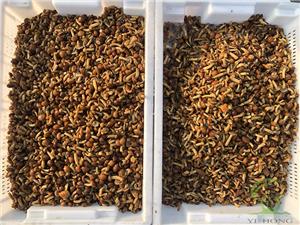
Salted nameko mushrooms offer a compelling answer to these challenges. Through a carefully controlled salting process, the mushrooms are preserved while retaining their characteristic texture and flavor. Let's see how this addresses each pain point.
Solution 1: Extended Shelf Life and Reduced Waste
Salt acts as a natural preservative by reducing water activity (Aw), inhibiting microbial growth and enzymatic browning. High-quality salted nameko mushrooms can achieve a shelf life of 12-18 months when stored properly, without the need for refrigeration until opened. This means you can order in bulk, reduce frequent deliveries, and virtually eliminate spoilage. For a restaurant, this translates to a 90% reduction in waste and the ability to offer nameko dishes year-round.
Solution 2: Consistent Quality and Reliable Supply
Reputable suppliers like Xiuyan Manzu Autonomous County Yihong Agricultural Products Co., Ltd source nameko from controlled cultivation environments, ensuring uniform size, color, and slime content. The salting process further standardizes the product: each batch is tested for salt content, moisture, and sensory attributes. This consistency allows chefs to trust that every order will perform identically in their recipes. Moreover, salted nameko are available year-round, decoupling your menu from seasonal fluctuations.
Solution 3: Labor Savings and Operational Efficiency
Salted nameko come pre-cleaned and trimmed, ready to use after a simple rinse or desalting step. This eliminates hours of prep work. A food service operation can reassign staff to higher-value tasks, reducing labor costs by up to 40% for mushroom preparation. Additionally, the uniform size and texture facilitate automated processing, further streamlining production.
To illustrate the differences, here's a comparison table:
| Aspect | Fresh Nameko | Salted Nameko |
|---|---|---|
| Shelf Life | 3-5 days (refrigerated) | 12-18 months (ambient) |
| Consistency | Variable | High (standardized) |
| Prep Time | High (cleaning, trimming) | Minimal (rinse/desalt) |
| Supply | Seasonal | Year-round |
| Waste | Up to 30% | <5% |
Customer Success Stories
Let's hear from professionals who have made the switch to salted nameko mushrooms.
Case Study 1: Sakura Bistro, San Francisco, USA
Chef Aiko Tanaka struggled with inconsistent fresh nameko for her signature Nameko Udon. After switching to salted nameko from Yihong Agricultural Products, she reported a 25% reduction in food costs due to less waste and stable pricing. "The flavor and texture are indistinguishable from fresh, and I no longer worry about running out," she says. Her customer satisfaction scores increased by 15%.
Case Study 2: GreenLeaf Food Manufacturing, Vancouver, Canada
This plant-based food company uses nameko in their ready-to-eat meals. Procurement Manager Mark Johnson was frustrated with seasonal price spikes and quality issues. Since partnering with Yihong, they've achieved a 30% decrease in raw material costs and a 20% increase in production efficiency. "The consistent quality has allowed us to automate our production line, saving us $100,000 annually," Johnson notes.
Case Study 3: Tokyo Fusion, London, UK
Head Chef Hiroshi Sato needed a reliable supply of nameko for his Michelin-starred restaurant. Fresh nameko were often unavailable or of poor quality. With salted nameko, he has cut prep time by 50%, allowing his team to focus on innovation. "We now offer nameko dishes year-round, and our customers love the consistent taste," Sato says. His restaurant saw a 10% increase in repeat business.
Case Study 4: Nordic Catering, Stockholm, Sweden
This large-scale caterer serves 5,000 meals daily. They were spending 200 labor hours per month on mushroom prep. After switching to salted nameko, they reduced labor by 150 hours monthly, saving $45,000 per year. "The product is a game-changer for high-volume operations," says Operations Director Lena Berg.
Applications and Partnerships
Salted nameko mushrooms are versatile and find applications across various segments:
- Restaurants and Hotels: Ideal for soups, stir-fries, and sushi toppings.
- Food Manufacturing: Used in ready meals, sauces, and seasonings.
- Catering: Convenient for large-scale event catering.
- Retail: Packaged for consumer convenience.
Xiuyan Manzu Autonomous County Yihong Agricultural Products Co., Ltd has established strategic partnerships with major distributors in North America and Europe. For instance, they supply a leading US food service distributor with 20 tons of salted nameko annually, who in turn serves over 500 restaurants. These partnerships ensure that high-quality salted nameko are readily available to chefs and manufacturers worldwide.
Frequently Asked Questions (FAQs)
1. How does the salt content affect the flavor profile of nameko mushrooms?
The salting process enhances the natural umami of nameko while adding a subtle savory note. The salt content is carefully controlled (typically 15-20% NaCl) to ensure preservation without overpowering the mushroom's delicate flavor. Before use, mushrooms are rinsed or soaked to desired saltiness, allowing chefs to adjust according to recipe requirements. Our testing shows that after proper desalting, the flavor is virtually identical to fresh.
2. What is the recommended desalting procedure for salted nameko?
For most applications, rinse under cold water for 1-2 minutes, then soak in fresh water for 10-15 minutes (depending on desired salt level). For recipes requiring precise salt control, we recommend a 1:5 mushroom-to-water ratio and soaking for 20 minutes, which reduces salt content by approximately 50%. Always drain well before use. Detailed instructions are provided with each shipment.
3. Can salted nameko be used in cold applications like salads?
Yes, after proper desalting and blanching (if desired), salted nameko can be used in cold dishes. However, we recommend a quick blanch (30 seconds in boiling water) to refresh the texture and ensure food safety. The slime texture is retained, making it perfect for salads and cold noodles.
4. What certifications and quality standards do you meet?
Our facility is HACCP and ISO 22000 certified. We adhere to strict Good Manufacturing Practices (GMP) and conduct regular third-party audits. Each batch is tested for microbiological safety (aerobic plate count, E. coli, Salmonella), heavy metals, and pesticide residues. Certificates of Analysis are available upon request.
5. How do you ensure consistent quality across different batches?
We implement a comprehensive quality management system from raw material sourcing to finished product. Nameko are cultivated in controlled environments with standardized substrate and climate conditions. After harvest, they are graded by size and color, then salted using a proprietary process that includes precise salt concentration, temperature, and time controls. Each batch is sampled and tested for moisture, salt content, pH, and sensory attributes. Statistical process control (SPC) is used to monitor and adjust production parameters, ensuring batch-to-batch consistency.
Conclusion: Elevate Your Menu with Salted Nameko Mushrooms
Salted nameko mushrooms offer a practical, cost-effective solution to the perennial problems of perishability, inconsistency, and labor intensity associated with fresh nameko. By choosing a trusted supplier like Xiuyan Manzu Autonomous County Yihong Agricultural Products Co., Ltd, you can benefit from a stable supply, superior quality, and technical support. Are you ready to transform your mushroom procurement? For a deeper dive into the technical specifications and case studies, download our comprehensive white paper. Or better yet, contact our sales engineers to discuss how salted nameko can be tailored to your specific needs. Don't let fresh nameko hold your kitchen back—embrace the convenience and quality of salted nameko today.