Understanding Mushroom Size and Sorting Requirements for Bulk Stropharia Orders
Size is not a minor detail in commercial mushroom purchasing. It can affect appearance, preparation work, portioning and the suitability of an ingredient for a particular production line. For bulk brined Stropharia orders, buyers should define size in a way that can be understood and checked by both the purchasing team and the supplier.
Start with the final use
A buyer producing a product with visible whole mushrooms may need a different size range from a manufacturer that cuts mushrooms before mixing. Explain the finished application before setting a size target. This prevents the specification from becoming unnecessarily restrictive or too broad for the production requirement.
Define the measurement clearly
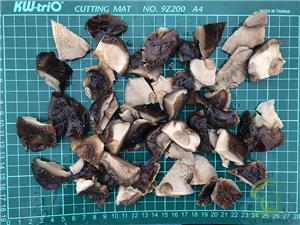
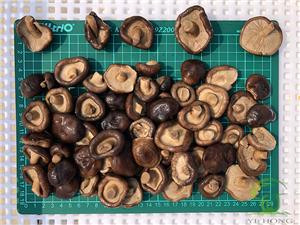
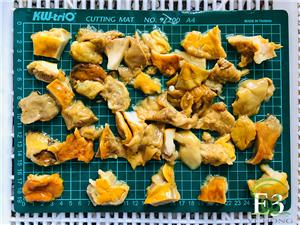
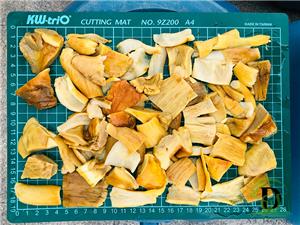
State whether size refers to cap diameter, total mushroom length, stem diameter or cut-piece dimensions. Include the unit of measurement and how the sample should be measured. If the product is graded by size bands, list each band and the acceptable proportion where relevant.
Distinguish size from grade
Size describes dimensions; grade may include appearance, integrity, defects and other criteria. Two mushrooms can be similar in size but differ in shape or condition. Buyers should avoid using “large,” “medium” or “premium” without a written definition or reference images.
Use a representative sample
Review enough pieces to understand the variation within a sample. Record the range rather than selecting only the largest or most uniform pieces. If a sample is approved, identify it by date, product format and specification version so it can be used as a reference during later discussions.
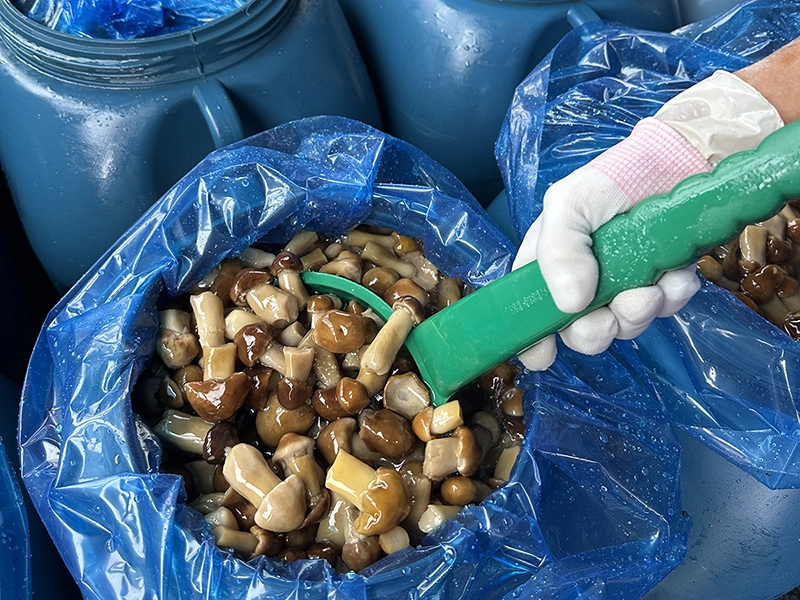
Consider sorting and yield
More restrictive size requirements may affect sorting, usable yield and cost. Buyers should ask how the requested range affects the available product and whether the supplier can quote against that specification. Compare suppliers only after the size basis and acceptable variation are aligned.
Put tolerances in writing
The final purchase specification should describe the target size, permitted variation, sampling approach and treatment of out-of-range pieces. If the buyer has a visual standard, attach photographs. Clear limits help avoid disputes and make repeat orders easier to compare.
Key Points for Buyers
| Area | What to confirm |
|---|---|
| Specification field | Example of what to define |
| Measurement point | Cap diameter, length or cut dimension |
| Unit | mm or cm |
| Target range | Buyer-defined range |
| Tolerance | Buyer and supplier agreed limit |
| Reference | Approved sample or dated photographs |
Discuss Your Brined Stropharia Requirements with YIHONG
YIHONG supplies brined mushroom products for commercial buyers. For brined Stropharia mushrooms, the minimum order quantity is 17 metric tons. If your business is planning a wholesale, import or food-manufacturing purchase, share the required product format, target specification, quantity, destination country and packaging preference.
Clear information at the inquiry stage helps both sides discuss whether the product and order arrangement match your requirements. Contact YIHONG to discuss your brined Stropharia mushroom inquiry.
View Brined Wine Cap Mushroom Product | Contact YIHONG
Frequently Asked Questions
What should I confirm before ordering brined Stropharia mushrooms?
Confirm the product identity, format, specification, packaging, quantity, destination and documents required for your market.
Can I request a quotation for a bulk order?
Yes. Provide your target quantity, product format, destination and packaging requirements so the supplier can review the request.
What is YIHONG's minimum order quantity for brined Stropharia mushrooms?
The minimum order quantity for this business is 17 metric tons.
- Industry News
- Product News
- Company News
- Video