Quick Frozen Chanterelles: What Importers Should Know About IQF Mushrooms and Bulk Supply (1)
For food manufacturers and frozen ingredient distributors, purchasing mushrooms involves more than choosing a species and negotiating a price. The product must suit the recipe, meet the required specification, and arrive through a supply chain that can maintain the necessary frozen conditions.
Quick Frozen Chanterelles are an ingredient option for companies looking to source chanterelle mushrooms in a frozen format. Chanterelles have a distinctive appearance and are used in different savory food applications. In commercial purchasing, buyers need to consider the mushroom's size, physical condition, processing format, packaging, and performance after preparation.
Quick freezing and individual quick freezing, commonly abbreviated as IQF, are terms buyers may encounter when evaluating frozen mushroom products. Understanding the product specification and the freezing format can help importers ask better questions and compare suppliers more accurately.
This article explains the main considerations for sourcing quick frozen chanterelles, from understanding IQF products to evaluating samples, planning cold-chain logistics, and preparing a clear request for quotation.
What Are Quick Frozen Chanterelles?
Chanterelles are edible mushrooms used in a variety of food applications. Quick frozen chanterelles are processed and frozen for storage and commercial distribution under specified frozen conditions.
For B2B buyers, the important point is to confirm exactly what the supplier is offering. Product size, whole or cut format, packaging, freezing method, storage requirements, and quality specifications can vary.
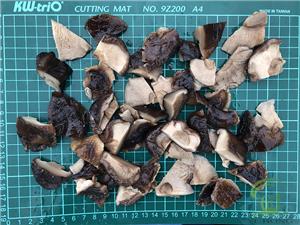
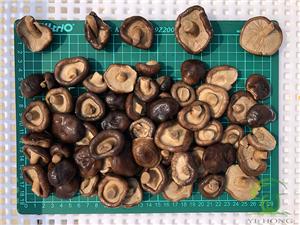
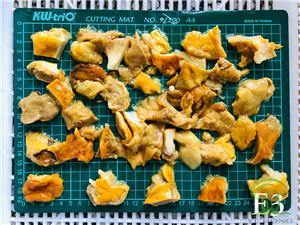
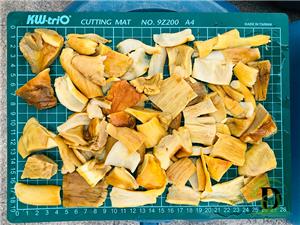
YIHONG's current Quick Frozen Chanterelles product range includes products described as frozen chanterelles and IQF chanterelles. Its product information identifies applications such as soups and fillings and describes manual screening and grading as part of the processing approach. Buyers should confirm the exact process and specification for the product they intend to purchase.
What Does IQF Mean?
IQF stands for Individual Quick Freezing. In an IQF process, individual food pieces are frozen in a way intended to keep them separate rather than forming one solid frozen block.
For mushrooms, this format can be useful when a food manufacturer needs to remove a portion of product from a package without thawing the entire quantity.
However, the term IQF should not replace a detailed product specification. Buyers should still confirm the size, degree of separation, product condition, packaging, storage requirements, and acceptable variation.
Ask the supplier to clarify whether the product is supplied as IQF whole mushrooms, IQF pieces, or another format. This is especially important if the factory relies on automatic portioning or needs a consistent ingredient flow.
Why Frozen Chanterelles May Suit Commercial Food Production
Food manufacturers often need to balance ingredient availability, production schedules, storage capacity, and the consistency of the finished product.
A frozen mushroom ingredient can be integrated into a planned frozen supply chain when the factory has suitable storage and handling arrangements.
Potential buyers include:
Frozen food importers.
Food ingredient distributors.
Soup and sauce manufacturers.
Prepared-food factories.
Foodservice distributors.
Commercial kitchens and catering suppliers.
Manufacturers of fillings and savory products.
Businesses producing mixed mushroom ingredients.
The product's suitability depends on the recipe, the required physical condition, and the buyer's production process.
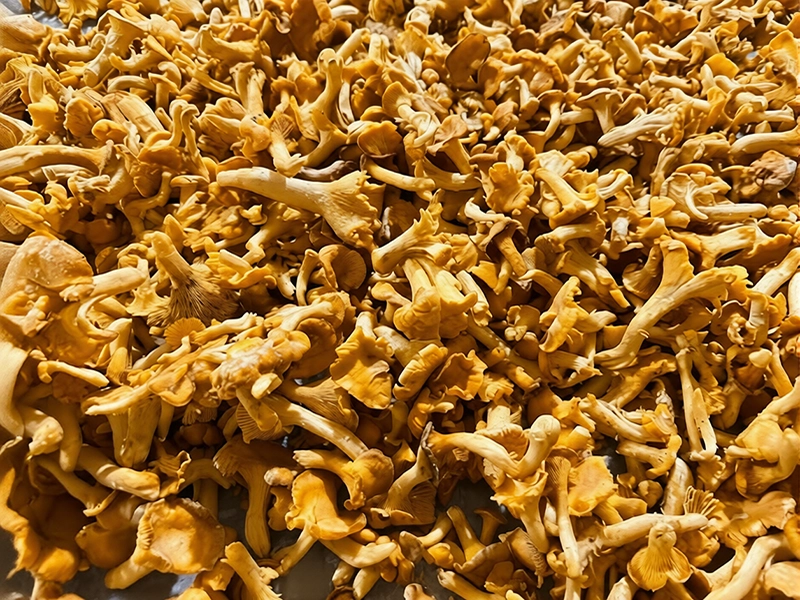
Applications for Quick Frozen Chanterelles
Soups and Broths
Chanterelles may be used in soup products where mushroom appearance and texture contribute to the finished food. Buyers should test the product under the intended cooking conditions and confirm whether the mushroom size meets their requirements.
Fillings and Prepared Foods
For fillings and prepared foods, the mushroom needs to work with the other ingredients and the manufacturing equipment. The buyer should consider portioning, texture after heating, and whether additional cutting is required.
Sauces and Savory Preparations
When mushrooms are incorporated into sauces, the preferred size may depend on how visible the mushroom should be in the final product. Standardized pieces may help with portioning, while larger pieces may be preferred for recipes where mushroom appearance is important.
Foodservice and Distribution
Distributors need to understand the product format and storage conditions before supplying it to commercial kitchens. Clear specifications help customers determine whether the product fits their preparation method and frozen storage capacity.
Why Raw Material Selection and Sorting Matter
The condition of the raw mushrooms affects how the finished frozen product can be used. For commercial buyers, it is therefore important to understand how the supplier selects, screens, grades, and prepares the mushrooms.
YIHONG's product information describes manual screening and grading for its IQF chanterelles. Buyers should ask what this process includes for the specific item being quoted and which quality criteria are used.
Useful questions include:
How is the raw material selected?
What impurities or foreign materials are checked for?
How are mushrooms graded by size or condition?
Are whole mushrooms and cut products available?
What proportion of broken or damaged pieces is acceptable?
What product specification is used for final inspection?
Specific answers help buyers understand whether the product is suitable for their quality requirements.
How to Evaluate the Appearance and Condition of Frozen Chanterelles
A sample should be inspected according to the product specification rather than judged only by general appearance.
Check whether the delivered product matches the agreed format and size range. Review packaging integrity and any relevant information supplied about storage and transportation.
After preparation, evaluate the mushroom's appearance and texture in the intended recipe.
Consider the following points:
Product format and size.
Visible condition of the mushrooms.
Amount of broken pieces.
Separation of individual pieces, if IQF is specified.
Texture after preparation.
Appearance in the finished food.
Compatibility with the production process.
Sample testing should follow the supplier's handling instructions and the buyer's food safety procedures.
Why the Cold Chain Matters
Frozen mushrooms must be handled according to their specified storage conditions throughout transportation and storage.
The supply chain may include the processing facility, cold storage, loading, international transportation, import clearance, destination storage, and delivery to the production facility.
Every handover creates an opportunity for delays or handling problems, so buyers should confirm the logistics plan before the order is shipped.
Ask the supplier and logistics provider about:
The required storage temperature.
Packaging and loading arrangements.
Expected transit time.
Temperature monitoring and records, where applicable.
Receiving procedures at the destination.
Available frozen storage capacity.
Contingency arrangements for shipment delays.
Do not assume a universal temperature requirement. The correct conditions should be confirmed from the product specification and applicable regulations.