Pholiota Nameko In Brine: A Sourcing Guide for Food Manufacturers and Ingredient Importers
For food manufacturers and ingredient importers, selecting a mushroom product involves more than identifying a species. Buyers need to understand how the mushroom behaves in the final recipe, what processing format is available, and which specifications should be confirmed before placing a commercial order.
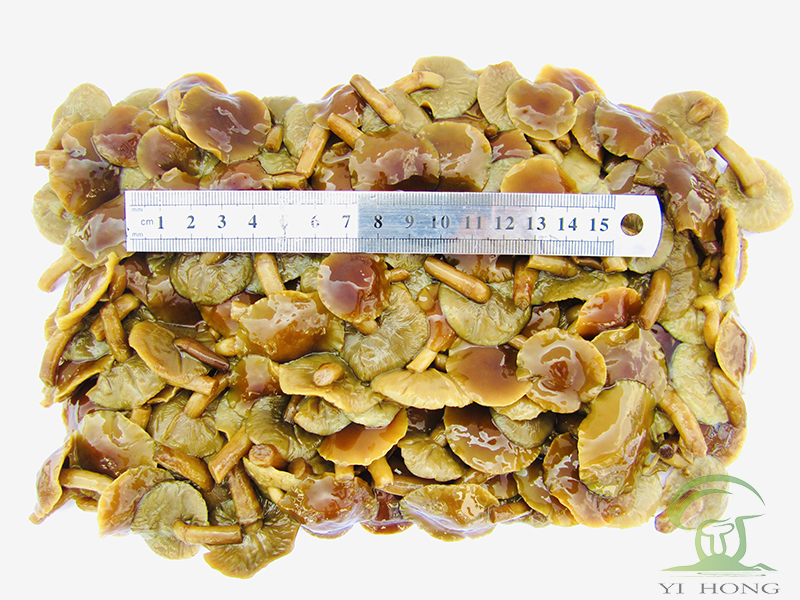
Pholiota Nameko In Brine is a preserved mushroom product that can be considered by businesses purchasing ingredients for soups, sauces, prepared foods, foodservice, and further processing. Nameko is known for its distinctive surface texture, making it different from many other commercially used mushrooms.
For importers, the practical challenge is to find a product that meets the required appearance, texture, packaging, and purchasing volume. A product that works well in one recipe may not be suitable for another, so sample testing and specification confirmation are important parts of the sourcing process.
This guide explains the commercial considerations involved in buying brined Nameko, from understanding its food applications to evaluating samples, calculating purchasing costs, and preparing an effective request for quotation.
What Is Pholiota Nameko In Brine?
Pholiota Nameko is a mushroom commonly known as Nameko. When supplied in brine, it is prepared as a preserved ingredient for commercial food use rather than being purchased only as a fresh mushroom.
For B2B customers, the product format matters because the buyer may need to process large quantities, distribute the ingredient to multiple customers, or incorporate it into a standardized food production line.
Brined Nameko may be considered by:
Food ingredient importers.
Mushroom wholesalers.
Food processing factories.
Soup and sauce manufacturers.
Prepared-food producers.
Foodservice distributors.
Pizza ingredient suppliers.
Commercial kitchens and catering suppliers.
The right product depends on the buyer's application and the specification offered by the supplier.
Why Nameko Is Different From Other Mushroom Ingredients
Nameko has a characteristic surface texture that can influence how it is perceived and used in food. For a food manufacturer, this means that the mushroom should be evaluated in the intended recipe rather than treated as interchangeable with every other mushroom species.
Texture, size, and preparation method can affect the final result. A manufacturer producing soup may have different requirements from a company making a mixed mushroom filling or supplying ingredients to restaurants.
Before selecting a supplier, buyers should consider the role the mushroom will play in the final product.
Will it be the main ingredient? Will it be mixed with other mushrooms? Will it remain visible? Will it be cooked for a short period or incorporated into a longer cooking process?
These questions help define the product specification and make sample evaluation more meaningful.
Commercial Applications for Brined Nameko
Soup and Broth Products
Nameko may be considered for soup and broth applications where mushroom texture is part of the eating experience. A manufacturer should test the product in the actual formulation to determine whether the mushroom's size and texture are appropriate.
The test should also consider the salt contribution from the preserved ingredient. The recipe may need adjustment depending on the product specification and the desired flavor profile.
Mushroom Sauces
For sauce manufacturers, the mushroom needs to work with the sauce's consistency, cooking process, and portioning system. The buyer should evaluate how the product mixes with other ingredients and whether the finished sauce meets the intended texture and appearance.
Prepared Foods
Prepared-food manufacturers may use Nameko as one component of a larger recipe. In this case, consistency between batches is important because ingredient variation can affect the appearance and texture of the final product.
Testing should reproduce the factory's normal process as closely as possible, including draining, mixing, cooking, and filling where applicable.
Foodservice and Ingredient Distribution
Distributors may supply Nameko to different customer groups, each with different preparation requirements. Clear product specifications and packaging details help the distributor communicate the product's intended use and reduce confusion during purchasing.
How to Select the Right Grade
Grade is one of the first items to confirm when requesting a quotation for Pholiota Nameko In Brine.
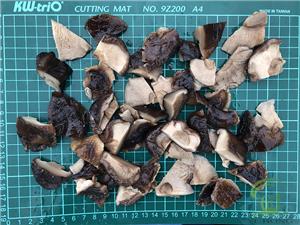
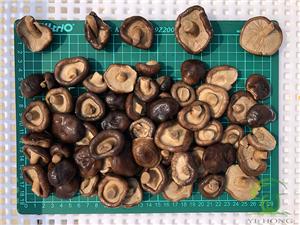
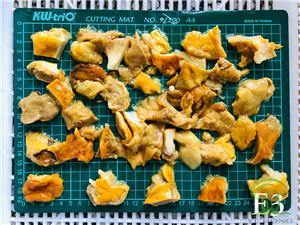
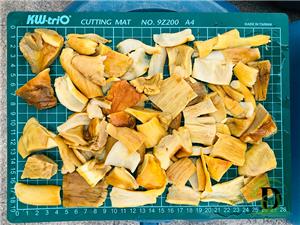
YIHONG's current product range includes different Nameko grades, including Grade A, Grade C, and Grade FAQ products. These labels should be treated as product identifiers rather than assumed to represent identical specifications across all suppliers.
Ask the supplier to explain the characteristics of each available grade. Depending on the product, the buyer may need to clarify mushroom size, appearance, acceptable defects, and the intended application.
Useful questions include:
What does the grade designation mean for this product?
What size range is supplied?
How is the size measured?
What variation is acceptable within a batch?
What is the drained weight per package?
Can the supplier provide a sample for evaluation?
It is better to agree on measurable requirements than rely on a grade name alone.
Choosing Between Different Nameko Products
Different product formats can serve different production requirements. A buyer may need to prioritize appearance, texture, processing efficiency, or compatibility with equipment.
| Buyer Requirement | What to Evaluate |
|---|---|
| Soup production | Texture, size, flavor, and performance during cooking |
| Sauce manufacturing | Distribution, consistency, and preparation requirements |
| Prepared foods | Batch consistency and compatibility with the recipe |
| Foodservice distribution | Packaging, handling, and customer requirements |
| Mixed mushroom products | Compatibility with other ingredients and target piece size |
The best approach is to test the available options against a clear set of requirements rather than select a product based only on its name.
Understanding Brine and Recipe Adjustment
When purchasing mushrooms preserved in brine, buyers should consider the liquid component as part of the ingredient specification.
The brine may contribute salt and moisture to the recipe. As a result, a manufacturer should not assume that the preserved mushroom can always be substituted gram for gram for fresh mushroom without adjusting the formulation.
During sample testing, record the preparation method, draining procedure, quantity of mushroom used, and any recipe adjustments. This makes the test easier to repeat and helps the purchasing team communicate the results to the supplier.
Any rinsing or draining step should be determined by the food manufacturer's own process and product requirements.
Why Drained Weight Matters
For bulk purchasing, the amount of usable mushroom is often more informative than the total package weight.
A package may contain mushrooms, brine, and packaging materials. Gross weight is relevant to freight planning, while drained weight helps buyers estimate the quantity of mushroom available for production.
Use this formula:
Cost per drained kilogram = Package price ÷ Confirmed drained mushroom weight
For example, if a drum costs $125 and contains 50 kg of drained mushroom, the product cost is $2.50 per drained kilogram before logistics and other charges.
The figures above are illustrative only. Buyers should use the supplier's confirmed commercial specification and quotation when making calculations.
Sample Testing: What Should Be Checked?
A sample should be tested against the intended application, not only against general expectations about mushroom quality.
Start with the product's appearance and physical condition. Then check the size, texture, and drained weight against the agreed specification.
After the initial inspection, prepare the mushroom using the same process intended for commercial production.
For a soup manufacturer, that may mean testing it in the final soup formulation. For a sauce producer, it means incorporating the mushroom into the sauce and evaluating the result after cooking.
Keep a record of:
Sample identification and date.
Product grade and specification.
Draining or preparation method.
Recipe and processing conditions.
Appearance and texture after cooking.
Any preparation loss.
Acceptance or rejection criteria.
This process makes the decision more objective and creates a reference for future orders.
Calculating the Full Cost of Purchasing Nameko
For an importer, the product price is only part of the total expense. Freight, insurance, customs charges, port handling, inland transport, and storage may all contribute to the landed cost.
A practical calculation is:
Total landed cost = Product cost + Freight + Insurance + Import charges + Handling + Inland transportation
Then divide the total landed cost by the total drained mushroom weight to obtain the landed cost per usable kilogram.
This method allows buyers to compare quotations on a more consistent basis. It is particularly useful when package sizes, drained weights, or shipping terms differ.
What to Confirm Before a Commercial Order
Before placing an order, buyers should confirm the commercial details in writing.
Product name and grade.
Size range and product condition.
Net, drained, and gross weight as applicable.
Packaging type and dimensions.
Storage requirements.
Shelf life and date coding.
Minimum order quantity.
Production lead time.
Payment and delivery terms.
Required export and import documentation.
The exact requirements depend on the product, destination country, and applicable regulations. Buyers should confirm documentation needs before the shipment is arranged.
How to Write an Effective RFQ for Pholiota Nameko In Brine
A clear request for quotation helps suppliers understand the buyer's requirements and recommend an appropriate product.
| RFQ Field | Suggested Information |
|---|---|
| Product | Pholiota Nameko In Brine |
| Grade | Preferred grade or request for available options |
| Application | Soup, sauce, prepared food, or distribution |
| Quantity | Estimated order volume |
| Packaging | Required package or drum format |
| Destination | Country and port |
| Timing | Expected delivery period |
| Documents | Destination-market requirements |
When possible, explain whether the order is a trial purchase or part of a recurring supply program. This helps the supplier understand the likely purchasing pattern.
Frequently Asked Questions
What is Pholiota Nameko In Brine used for?
It may be used in soups, sauces, prepared foods, and other commercial food applications. Suitability depends on the specific product and the recipe.
How do I choose the right Nameko grade?
Ask for the actual specification of each available grade, including size, appearance, drained weight, and acceptable variation. Test a sample before making a large purchase.
Should I compare prices per drum or per kilogram?
Compare the confirmed drained weight and calculate the cost per usable kilogram. For imported products, also include freight and other landed costs.
Can Nameko be used in different recipes?
Potential applications include soups, sauces, prepared foods, and ingredient distribution. Each recipe should be tested to confirm texture, flavor, and processing performance.
Discuss Your Pholiota Nameko In Brine Requirements
Choosing a suitable Nameko product requires a clear understanding of the intended application, required grade, packaging, and purchasing volume. A well-defined specification makes supplier comparison more accurate and helps reduce uncertainty before a commercial order.
YIHONG offers Pholiota Nameko In Brine products in different grades for commercial buyers. If you are sourcing Nameko for food processing, wholesale distribution, or ingredient supply, share your target application, required specification, estimated quantity, and destination market.
Contact YIHONG to discuss available Nameko products and request a quotation for your business.