Gold from the Forest: In-depth Analysis of the Grading Standards and Industrial Logic of Brine Boletus Edulis
In the fungal trade, the status of Boletus Edulis (also known as Porcini) is unshakeable. Due to the current inability to cultivate it on a large scale, each Boletus originates from the wild. This rarity determines its complex market grading and pricing system. Yihong, through professional brine preservation technology, transforms this highly seasonal delicacy into a standardized industrial raw material available year-round. This article will reveal all the secrets behind Boletus grading.
I. The Art of Wild Harvesting: From Soil to the First Selection
The quality of Boletus is greatly affected by altitude, sunlight, and rainfall. Our harvesting team mainly focuses on the virgin forest belt. For brine processing, the best Boletus are those that are "young and firm." Once Boletus becomes overripe, the gills at the base turn from white to green, and the texture becomes loose. Such products soften quickly in brine and must be downgraded. Yihong's first screening occurs at the production site, ensuring that only wild mushrooms that best meet industrial processing requirements enter the production line.
II. A, B, C Grades: The Core Matrix Determining Price and Use
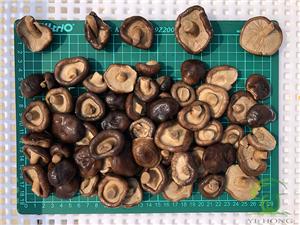
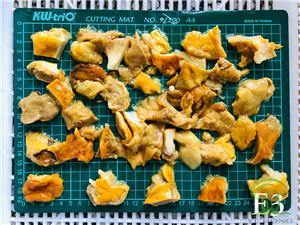
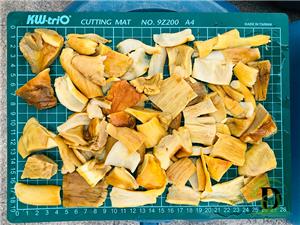
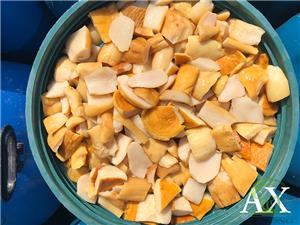
At Yihong, we strictly implement a three-tiered classification system to ensure that every buyer can find the most suitable goods based on their budget and intended use:
Quality Grade | Grade A (Premium) | Grade B (Standard) | Grade C (Industrial) |
| Flesh Color | Pure white to creamy white, with no discoloration when cut | Light yellow to light brown | Dark brown flesh or greenish pores |
| Texture | Exceptionally firm and crisp | Firm, with slight softening allowed | Soft texture with relatively high moisture content |
| Appearance | Uniform shape, free of insect damage and physical defects | Minor insect holes or slight cosmetic damage acceptable | Irregular pieces, mainly intended for industrial processing |
| Recommended Uses | Gourmet pasta, premium canned mushrooms, luxury food gifts, steak side dishes | Pasta sauces, frozen soups, foodservice, restaurant bulk supply | Mushroom concentrates, industrial sauces, flavor extracts, processed meat products and fillings |
Gold from the Forest: In-depth Analysis of the Grading Standards and Industrial Logic of Brine Boletus Edulis.
In the fungal trade, the status of Boletus Edulis (also known as Porcini) is unshakeable. Due to the current inability to cultivate it on a large scale, each Boletus originates from the wild. This rarity determines its complex market grading and pricing system. Yihong, through professional brine preservation technology, transforms this highly seasonal delicacy into a standardized industrial raw material available year-round. This article will reveal all the secrets behind Boletus grading.
I. The Art of Wild Harvesting: From Soil to the First Selection
The quality of Boletus is greatly affected by altitude, sunlight, and rainfall. Our harvesting team mainly focuses on the virgin forest belt. For brine processing, the best Boletus are those that are "young and firm." Once Boletus becomes overripe, the gills at the base turn from white to green, and the texture becomes loose. Such products soften quickly in brine and must be downgraded. Yihong's first screening occurs at the production site, ensuring that only wild mushrooms that best meet industrial processing requirements enter the production line.
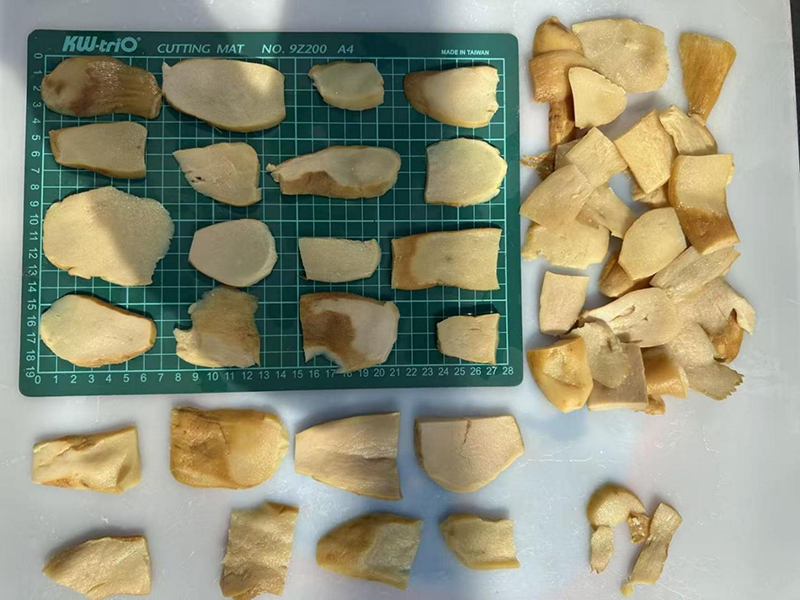
II. A, B, C Grades: The Core Matrix Determining Price and Use
At Yihong, we strictly implement a three-tiered classification system to ensure that every buyer can find the most suitable goods based on their budget and intended use:
- Industry News
- Product News
- Company News
- Video