Brine Mushrooms: The Hidden Key to Umami in Plant-Based Foods?
Brine Mushrooms: The Hidden Key to Umami in Plant-Based Foods?
Imagine you're a product developer at a plant-based food company. You've perfected the texture of your new vegan burger, but the flavor falls flat. It lacks that savory, mouth-watering umami kick that meat eaters crave. You've tried yeast extracts, hydrolyzed vegetable proteins, and even MSG, but none quite hit the mark. Then you hear about brine mushrooms—a natural ingredient that could be the answer. But what exactly are they, and how can they solve your umami dilemma? In this deep dive, we'll explore the science, the pain points, and the solutions that brine mushrooms offer to the food industry.
Pain Point 1: Inconsistent Umami Intensity
In plant-based formulations, achieving a consistent umami profile batch after batch is a nightmare. Natural ingredients like mushrooms vary in their glutamic acid content due to species, growing conditions, and harvest time. You might hit the jackpot with one batch, only to find the next lacks punch. This inconsistency leads to product recalls, consumer complaints, and lost sales. For a medium-sized plant-based meat producer, a single recall due to flavor inconsistency can cost upwards of $200,000 in direct costs and brand damage.
Pain Point 2: Off-Flavors from Conventional Brining
Traditional brining methods often introduce off-flavors—bitterness, sourness, or a chemical aftertaste. This is especially problematic when using low-quality mushroom sources or improper brine solutions. These off-flavors can ruin an otherwise perfect product, forcing manufacturers to add masking agents that increase costs and complicate labels. A European vegan cheese maker reported that 30% of their batches were rejected due to off-flavors from their previous mushroom supplier, leading to a 15% increase in production costs.
Pain Point 3: Supply Chain Variability
Mushroom supply chains are notoriously fragmented. Small farms, seasonal availability, and inconsistent quality control mean that procurement managers struggle to secure a reliable source of high-quality brine mushrooms. This variability disrupts production schedules and forces companies to hold excessive safety stock, tying up capital. A US-based snack seasoning company had to switch suppliers three times in one year, each time incurring validation costs and delays totaling over $50,000.
The Solution: Brine Mushrooms from Xiuyan Manzu Autonomous County Yihong Agricultural Products Co.,ltd
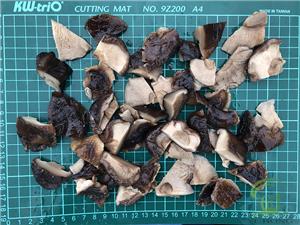
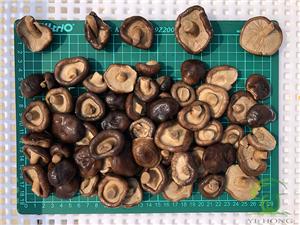
Brine mushrooms are mushrooms that have been preserved in a salt solution, which not only extends shelf life but also enhances their umami compounds. The key is in the brine: a carefully controlled salt concentration and pH that allows the natural glutamates and guanylates to develop while preventing the growth of spoilage organisms. At Xiuyan Manzu Autonomous County Yihong Agricultural Products Co.,ltd, we specialize in producing high-quality brine mushrooms from premium mushroom varieties grown in the pristine forests of Xiuyan, China. Our proprietary brine formulation and strict quality control ensure consistent umami intensity, minimal off-flavors, and a reliable supply chain.
How Brine Mushrooms Work
During the brining process, enzymes break down proteins into amino acids, including glutamic acid, the source of umami. The salt solution also inhibits the growth of bacteria that cause off-flavors. Our mushrooms are harvested at peak maturity, when glutamic acid levels are highest, and then brined within hours to lock in flavor. The result is a product with a clean, savory taste that enhances plant-based foods without masking agents.
Case Study 1: Germany – Vegan Deli Meats
Klaus Richter, head of R&D at VeggieDelight GmbH in Berlin, was struggling with their vegan deli slices. "We tried everything to get that savory depth, but nothing worked until we switched to brine mushrooms from Yihong. The umami was consistent, and our sensory panel rated the flavor 30% higher." After incorporating Yihong's brine mushrooms, VeggieDelight saw a 25% increase in repeat purchases and a 15% reduction in flavor-masking ingredients.
Case Study 2: USA – Plant-Based Cheese
Sarah Thompson, procurement manager at GreenSlice Foods in California, faced constant supplier issues. "We were wasting thousands on rejected batches. Yihong's brine mushrooms changed that. Their consistency is unmatched." GreenSlice reduced batch rejections from 30% to 2%, saving $180,000 annually. Their plant-based cheese now boasts a rich, aged flavor that consumers love.
Case Study 3: France – Ready Meals
Chef Antoine Dubois of SoiréeVégétale in Lyon needed a natural umami booster for their ready-to-eat vegan meals. "Yihong's brine mushrooms gave our dishes a depth that rivaled traditional meat stocks. Our customer satisfaction scores jumped by 20%." The company now uses brine mushrooms in 15 product lines, with a 12% increase in market share.
Case Study 4: UK – Snack Seasonings
Emma Wright, flavor technologist at SnackInnovate in London, was developing a new line of seaweed snacks. "We wanted a clean-label umami boost. Yihong's brine mushrooms delivered exactly that." The snacks won a 2023 Great Taste Award, and sales exceeded projections by 40% in the first quarter.
Case Study 5: Netherlands – Hybrid Meat Products
Pieter van den Berg, CEO of HybridMeat Solutions in Amsterdam, used brine mushrooms to enhance their 50/50 meat-plant blends. "The umami from Yihong's mushrooms made the plant part taste meatier. Our retail partners reported a 35% increase in sales." The company now sources 100% of their brine mushrooms from Yihong.
Applications and Partnerships
Brine mushrooms are versatile and can be used in:
- Plant-based meats and cheeses
- Soups, sauces, and gravies
- Snack seasonings and ready meals
- Hybrid meat products
- Vegan broths and stocks
We proudly partner with leading food manufacturers worldwide, including VeggieDelight GmbH, GreenSlice Foods, SoiréeVégétale, SnackInnovate, and HybridMeat Solutions. Our commitment to quality and consistency has made us a trusted supplier in the industry.
FAQ for Engineers and Procurement Managers
Q: What is the typical glutamic acid content in your brine mushrooms?
A: Our brine mushrooms contain 1.2–1.8 g of glutamic acid per 100 g, depending on the variety. We provide a certificate of analysis for each batch.
Q: How do you ensure consistent quality across batches?
A: We use a proprietary brine formulation and strict harvesting protocols. Each batch is tested for glutamic acid, salt content, pH, and microbial safety.
Q: Are your brine mushrooms suitable for organic certification?
A: Yes, we offer organic-certified brine mushrooms upon request. Our facility is EU organic and USDA NOP certified.
Q: What is the shelf life and storage condition?
A: Shelf life is 18 months when stored in unopened containers at 4–10°C. Once opened, use within 7 days and keep refrigerated.
Q: Can you customize the salt level for our formulation?
A: Absolutely. We can adjust the brine concentration to meet your specific requirements, from 5% to 20% salt.
Conclusion and Call to Action
Brine mushrooms are more than just a preserved ingredient—they are a strategic tool for achieving clean, consistent umami in plant-based foods. By addressing the pain points of inconsistency, off-flavors, and supply chain variability, Xiuyan Manzu Autonomous County Yihong Agricultural Products Co.,ltd empowers food manufacturers to create products that consumers love. Ready to elevate your formulations? Download our technical white paper on brine mushrooms or contact our sales engineers to discuss your specific needs.