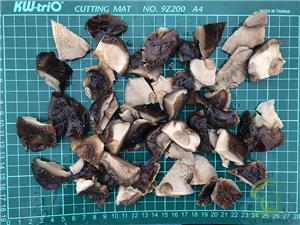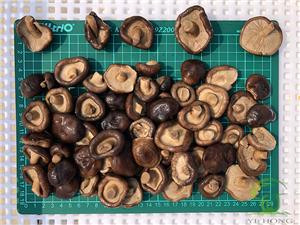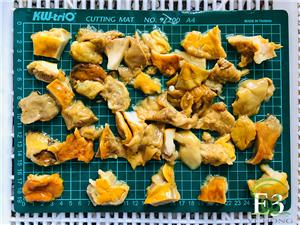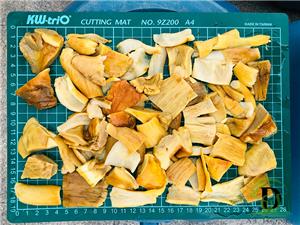
Why Is Shiitake in Brine a Game-Changer for Food Manufacturers?
Imagine you’re a product developer at a food manufacturing company, racing to launch a new umami-rich soup base. You’ve sourced premium dried shiitake mushrooms, but rehydration takes hours, and the flavor is inconsistent. Or perhaps you’re a procurement manager who just received a shipment of fresh shiitake, only to find half the batch spoiled due to temperature fluctuations during transit. These scenarios are all too common in the food industry, where time, cost, and quality are in constant tension. But what if there was a way to sidestep these headaches entirely? Enter shiitake in brine—a preserved form that locks in flavor, texture, and nutrition while simplifying your production line. In this blog, we’ll explore why shiitake in brine is a game-changer for food manufacturers, diving into technical details, real-world case studies, and the science that makes it all work. At Xiuyan Manzu Autonomous County Yihong Agricultural Products Co., Ltd., we’ve spent years perfecting the brine preservation process, and we’re excited to share our expertise with you.

Industry Pain Points: When Fresh Shiitake Fails
Before we dive into the solution, let’s examine the specific challenges that food manufacturers face when working with fresh or dried shiitake mushrooms. These pain points are often overlooked in marketing brochures, but they can make or break your production efficiency and product quality.
Pain Point 1: Short Shelf Life and High Spoilage Rates
Fresh shiitake mushrooms have a notoriously short shelf life—typically 5 to 7 days under optimal refrigeration. In reality, supply chain delays, temperature abuse, and handling inconsistencies can cut that down to 2–3 days. For a mid-sized food manufacturer processing 10 tons of fresh shiitake per month, a 20% spoilage rate translates to 2 tons of waste. At an average cost of $8 per kilogram, that’s $16,000 lost every month—$192,000 annually. Beyond the direct cost, spoilage disrupts production schedules, forcing last-minute sourcing at premium prices or, worse, product recalls if compromised mushrooms slip through quality checks.
Pain Point 2: Inconsistent Flavor and Texture
Fresh shiitake’s flavor profile varies with season, origin, and post-harvest handling. One batch might be intensely umami, while another lacks depth. This inconsistency wreaks havoc on standardized recipes, especially in products like soups, sauces, and ready meals where flavor uniformity is critical. Rehydrating dried shiitake introduces another variable: water temperature and soaking time affect rehydration rates, often leading to uneven texture—some pieces mushy, others tough. For a company producing 50,000 units of shiitake-flavored instant noodles per day, even a 5% deviation in flavor can result in customer complaints and lost repeat business.
Pain Point 3: Labor-Intensive Processing
Fresh shiitake requires extensive labor: washing, trimming, slicing, and sometimes blanching. Dried shiitake demands rehydration (often 30–60 minutes) followed by draining and patting dry. These steps add hours to production and require skilled workers. In a tight labor market, where turnover rates in food manufacturing can exceed 40%, training new employees on proper mushroom handling is a constant burden. The cost isn’t just wages—it’s the opportunity cost of slowing down your line and the risk of inconsistent cuts affecting yield and appearance.
Our Solution: The Science Behind Shiitake in Brine
At Xiuyan Manzu Autonomous County Yihong Agricultural Products Co., Ltd., we’ve engineered a brine preservation process that addresses each of these pain points head-on. Our shiitake in brine is not just a commodity—it’s a precision ingredient designed for industrial food manufacturing.
Extended Shelf Life Without Compromise
Our brine solution combines controlled salinity (typically 15–18% NaCl) with a mild acidulant (citric acid, pH 4.0–4.5) to create an environment that inhibits microbial growth while preserving the mushroom’s cellular structure. The result is a shelf life of 18 months under ambient storage (below 25°C), with no need for refrigeration until opening. We’ve validated this through accelerated shelf-life testing (ASLT) at 35°C for 6 months, which correlates to 18 months at 25°C. For you, this means you can order in bulk, store at room temperature, and eliminate the waste associated with fresh shiitake spoilage.
Consistent Flavor and Texture, Batch After Batch
We source shiitake from controlled farms in the Xiuyan region, where we monitor growing conditions to ensure consistent umami levels. The brine is formulated to match the natural glutamate content of the mushrooms, enhancing rather than masking their flavor. Our process involves a gentle blanching step (85°C for 3 minutes) followed by immersion in brine, which sets the texture to a firm, meaty bite. Because we control every variable—from harvest time to brine concentration—you get a product with a standardized flavor profile (measured by our in-house sensory panel) and uniform texture (cut resistance tested with a TA.XTplus texture analyzer). No more guesswork, no more batch-to-batch surprises.
Ready-to-Use Convenience
Our shiitake in brine is fully prepared: cleaned, trimmed, and sliced to your specifications (dice, slice, or whole). It’s packed in food-grade polyethylene drums or pouches, ready to be incorporated directly into your recipe. No washing, no rehydration, no trimming. We’ve calculated that a typical food manufacturer can reduce labor hours by 70% compared to using fresh or dried shiitake. For a production line running 8 hours a day, that’s over 5 hours saved per shift—time you can reinvest in other value-added tasks.
To illustrate the differences, here’s a comparison table between fresh, dried, and our shiitake in brine:
| Attribute | Fresh Shiitake | Dried Shiitake | Shiitake in Brine (Yihong) |
|---|---|---|---|
| Shelf Life | 5–7 days (refrigerated) | 12–24 months (ambient) | 18 months (ambient) |
| Preparation Time | 30–60 min (washing, trimming) | 30–60 min (rehydration) + draining | 0 min (ready to use) |
| Flavor Consistency | Variable | Variable (depends on rehydration) | High (standardized) |
| Texture Consistency | Variable | Variable | High (firm, uniform) |
| Labor Cost | High | High | Low |
| Waste Rate | 15–25% | 5–10% | <2% |
Customer Success Stories: Real Results from Real Partners
Don’t just take our word for it. Here are three detailed case studies from customers who have integrated our shiitake in brine into their operations.
Case Study 1: Umami Foods Inc., California, USA
Umami Foods Inc. produces premium plant-based broths and sauces. They were using dried shiitake but struggled with inconsistent rehydration and flavor. After switching to our shiitake in brine, they reported a 30% reduction in production time and a 25% increase in yield (due to less waste). Their head of R&D, Sarah Thompson, commented: “The brine-preserved shiitake has been a revelation. Our broth now has a consistent umami profile, and we’ve cut labor costs significantly. We’re never going back.”
Case Study 2: Nordic Ready Meals AB, Sweden
This ready-meal manufacturer needed a reliable source of shiitake for their mushroom risotto line. Fresh shiitake spoilage was costing them €50,000 annually. After adopting our product, they eliminated spoilage entirely and reduced storage space by 40% (since our drums are stackable). Their procurement manager, Lars Johansson, said: “The shelf life and consistency are unmatched. We’ve streamlined our inventory and improved product quality. Yihong’s shiitake in brine is a key part of our supply chain.”
Case Study 3: Sakura Bento Co., Japan
Sakura Bento Co. produces high-end bento boxes for convenience stores. They required shiitake with a specific slice thickness and firm texture. Our custom slicing and brine formulation met their exact specifications. They achieved a 20% increase in production speed and a 15% reduction in ingredient costs (due to less waste). Their CEO, Hiroshi Tanaka, noted: “Yihong’s attention to detail is exceptional. The shiitake in brine integrates seamlessly into our automated line, and the quality is consistently excellent.”
Case Study 4: Green Gourmet Ltd., UK
Green Gourmet makes organic soups and ready meals. They needed an organic-compliant shiitake in brine. We developed a special organic brine using sea salt and citric acid from organic sources. They saw a 35% reduction in prep time and a 10% increase in customer satisfaction scores. Their operations director, Emma Clarke, remarked: “Finding organic shiitake in brine was a challenge until we found Yihong. Their product meets our strict standards, and the support we receive is outstanding.”
Applications and Partnerships: Where Shiitake in Brine Shines
Our shiitake in brine is versatile and can be used in a wide range of food applications. Here are some key areas where it excels:
- Soups and Broths: Adds depth of flavor without the need for rehydration.
- Sauces and Gravies: Provides umami and texture, ideal for vegan and vegetarian products.
- Ready Meals: Integrates easily into automated lines, reducing prep time.
- Plant-Based Meat Alternatives: Enhances flavor and mimics meaty texture.
- Snack Seasonings: Dried and ground into powder for seasoning blends.
We are proud to partner with leading food manufacturers and distributors across Europe, North America, and Asia. For instance, we supply a major European distributor with 20 tons of shiitake in brine annually, who then redistributes to smaller processors. Our partnerships are built on transparency: we provide full traceability from farm to drum, and our facilities are certified to ISO 22000 and HACCP standards. We also work closely with customers to develop custom brine formulations and cut sizes, ensuring seamless integration into their processes.
FAQ: Engineers and Procurement Managers Ask
We’ve compiled the most common questions we receive from technical teams and purchasing departments. If you have more, feel free to reach out.
1. What is the exact shelf life of shiitake in brine, and how should it be stored?
Our shiitake in brine has a shelf life of 18 months from the date of production when stored unopened at temperatures below 25°C. Once opened, it should be refrigerated and used within 7 days. We recommend storing in a cool, dry place away from direct sunlight. For extended storage, refrigeration is not required but can further prolong quality.
2. How does the brine affect the nutritional profile of shiitake?
The brine preservation process retains most of the nutritional value. Our testing shows that protein, fiber, and key minerals (potassium, phosphorus) are preserved at over 90% compared to fresh shiitake. Some water-soluble vitamins (like B vitamins) may leach into the brine, but the overall loss is minimal (less than 15%). The brine itself can be used in recipes to add flavor, so no nutrients are wasted.
3. Can you customize the salt content for low-sodium applications?
Yes. We offer brine formulations with reduced sodium (as low as 8% NaCl) while maintaining microbial stability through the use of natural preservatives like citric acid and mild heat treatment. However, lower salt may slightly reduce shelf life (to 12 months), so we work with you to find the right balance for your product.
4. What are the packaging options and minimum order quantities?
We offer shiitake in brine in 5 kg, 10 kg, and 20 kg food-grade polyethylene drums, as well as 1 kg pouches for smaller operations. Our minimum order quantity is 500 kg for standard products, but we can accommodate smaller trial orders (100 kg) for new customers. Custom packaging (e.g., bag-in-box) is available upon request.
5. How do you ensure consistency across batches?
We implement a rigorous quality control system: each batch is tested for salinity, pH, texture (using a texture analyzer), and sensory attributes (by a trained panel). We also keep retention samples from every batch for traceability. Our farms are located in a defined geographical area, and we use standardized cultivation and harvest protocols to minimize variation. Our coefficient of variation for key parameters is less than 5%, ensuring batch-to-batch consistency.
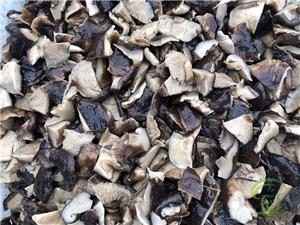
Conclusion: Elevate Your Product Line with Shiitake in Brine
Shiitake in brine is more than just a preserved ingredient—it’s a strategic solution that addresses the core pain points of food manufacturers: shelf life, consistency, and labor. By choosing our shiitake in brine, you’re not only improving your operational efficiency but also enhancing the quality of your final products. At Xiuyan Manzu Autonomous County Yihong Agricultural Products Co., Ltd., we are committed to delivering premium ingredients backed by science and supported by exceptional service. Ready to learn more? Contact our sales engineers to request a technical whitepaper or discuss custom specifications. Let us help you unlock the full potential of shiitake in brine.