Maximize Your Margin: The 2026 Strategic Guide to Reducing Costs in Bulk Brined Mushroom Procurement
The Shift from "Unit Price" to "Total Cost of Ownership" (TCO).
As we navigate the mid-2026 global food economy, the landscape of industrial ingredient sourcing has undergone a seismic shift. Traditional procurement strategies focused solely on the "lowest price per ton" are failing.
At BrinedFungi, we believe that the key to profitability in 2026 lies not in finding the cheapest product, but in optimizing the Total Cost of Ownership (TCO). This guide explores how sophisticated B2B buyers are leveraging high-quality brined mushrooms to eliminate hidden costs, improve industrial yield, and secure long-term supply chain resilience.
1. The Anatomy of Mushroom Procurement Costs
To optimize costs, one must first deconstruct them. In 2026, the cost of a drum of salted mushrooms at your warehouse is composed of:
Ex-factory Price: The base cost of the mushroom and brine.
Logistics & Energy: Freight plus the "carbon cost" of transport.
Preparation Labor: The cost to wash, slice, and prep the ingredient.
Yield Loss: The volume of product lost during processing or due to inconsistent quality.
Compliance & Risk: The cost of audits, testing, and potential recalls.
Many suppliers hide their inefficiencies in the first category. We will show you how to look deeper.
2. The Science of Drained Weight: Stop Paying for Salt Water
One of the oldest "tricks" in the mushroom trade is manipulating the ratio of brine to mushrooms.
The Financial Impact of "Water Weight"
If Supplier A offers brined mushrooms at $1,000/ton with a 58% drained weight, and BrinedFungi offers them at $1,050/ton with a 63% drained weight, which is cheaper?
Supplier A: Effective cost of actual mushroom = $1,724/ton.
BrinedFungi: Effective cost of actual mushroom = $1,666/ton.
Despite the higher "sticker price," our product is 3.3% cheaper in actual food value. In 2026, Ensure that every drum meets a strict ±0.5% drained weight tolerance. This level of precision allows our industrial clients to forecast their production output with 99% accuracy, eliminating the "output anxiety" that plagues procurement teams.
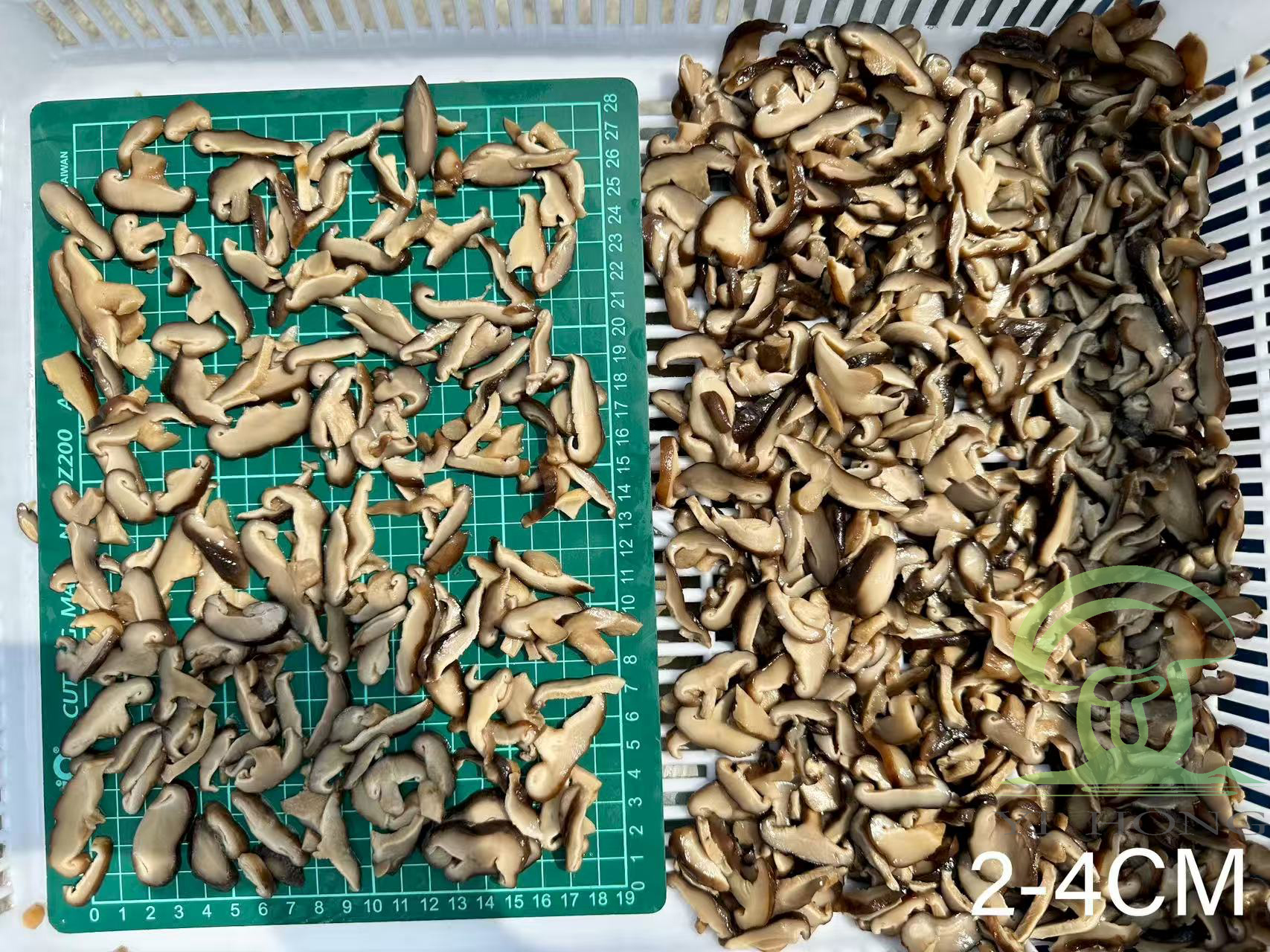
3. Logistics 4.0: The End of the Expensive Cold Chain
The 2026 "Green Logistics Initiative" has significantly increased the cost of refrigerated (Reefer) containers. For food producers using frozen mushrooms, the electricity and specialized transport costs now account for nearly 25% of the total landed cost.
Brined Mushrooms as a Cost-Saving Alternative
Brined mushrooms are the "middle ground" of food science. They offer the texture of fresh mushrooms without the energy demands of freezing.
Ambient Stability: Our 2026 brining formula ensures stability at temperatures up to 25°C for short-term transit and requires only minimal chilling (0-5°C) for long-term storage, rather than the power-hungry -18°C required for frozen goods.
Carbon Credit Savings: Companies reporting under ESG (Environmental, Social, and Governance) frameworks in 2026 can claim significant carbon footprint reductions by switching from frozen to brined ingredients. This translates into direct financial tax incentives in regions like the EU and North America.
4. Industrial Yield and the "Uniformity Bonus"
In a high-speed food production line (e.g., pizza topping lines or soup canning), consistency is currency.
The Cost of Inconsistency
If your mushrooms vary in size from 2cm to 5cm in the same drum, your automated slicing machines will produce "fines" (waste) and irregular pieces. In 2026, manual sorting at the factory level is prohibitively expensive.
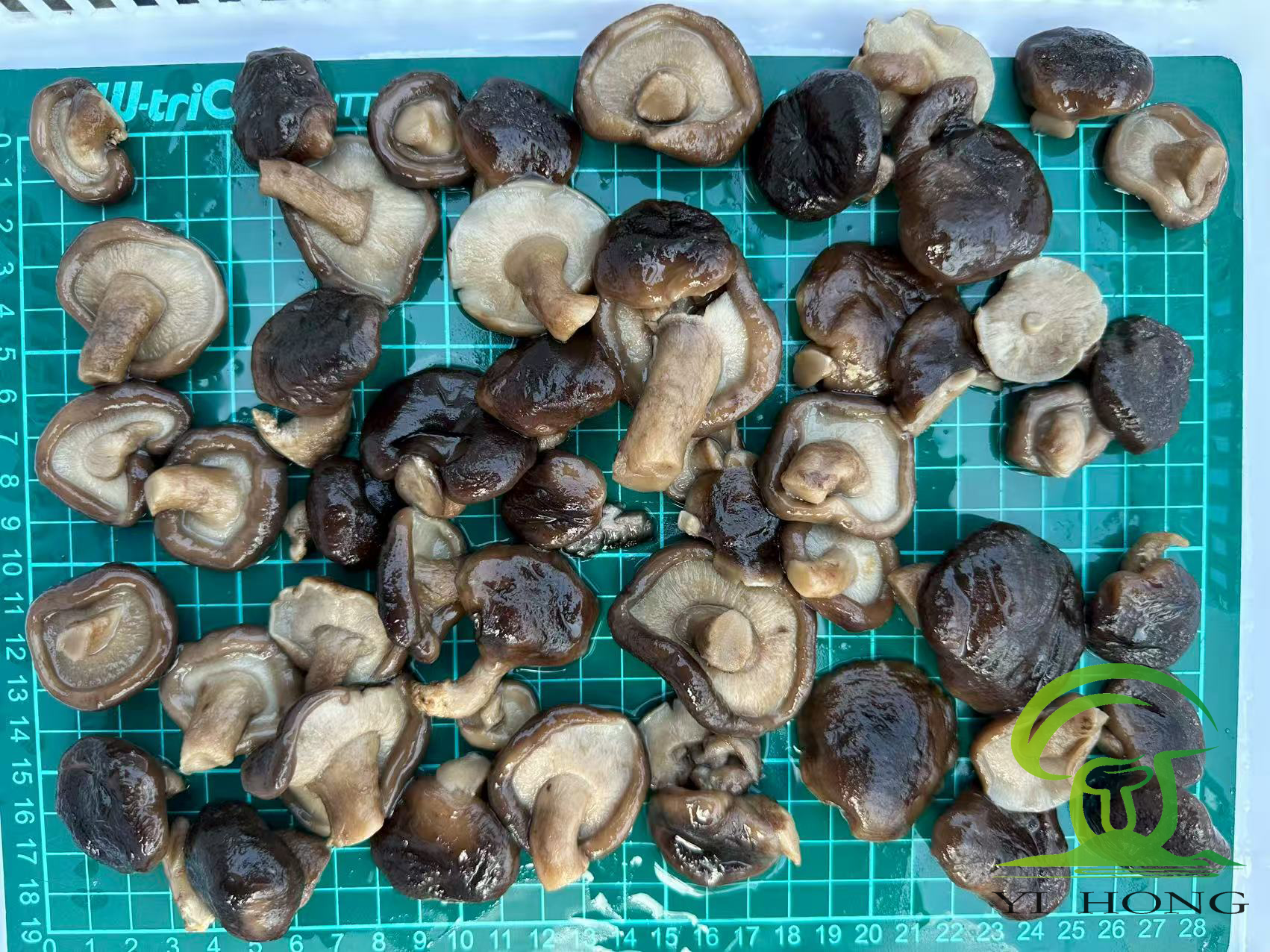
The BrinedFungi Solution: AI-Optical Sorting
At our factory, we have implemented 2026-gen optical sorters. These machines scan 500 mushrooms per second, sorting them by diameter, thickness, and color.
Reduced Waste: Our clients report a 7-9% increase in usable yield compared to traditionally sorted mushrooms.
Machine Downtime: Uniform mushrooms prevent "jamming" in slicing and dicing equipment. Reducing downtime by just 15 minutes a day can save a large-scale factory upwards of $50,000 per year in labor and lost throughput.
6. Case Study: A 12% Cost Reduction for a European Prepared-Meal Manufacturer
Client: A leading producer of frozen pizzas and creamy mushroom soups.
The Challenge: High prep labor and inconsistent quality from a low-cost spot-market supplier.
The Intervention:
Switched to BrinedFungi.com Grade M (2.5-3.5cm) sliced mushrooms in IBC Totes.
Implemented a 12-month fixed-price contract.
The Results:
Labor: Eliminated 3 prep staff positions due to "ready-to-use" quality.
Overall TCO: A documented 12.4% reduction in the total cost per kilogram of finished product.