How to Evaluate the Quality of Industrial Brined Mushrooms: A Procurement Checklist
For industrial food processors, canning factories, and large-scale importers, raw material quality directly impacts final product consistency, yield, and overall manufacturing costs. Sourcing bulk brined mushrooms (salted fungi) in large quantities presents unique quality control challenges: minor issues in salinity, pH, or trimming can lead to costly downtime, product waste, or texture degradation during re-cooking.
Whether you are auditing a new global vendor or establishing internal Quality Assurance (QA) protocols for incoming shipments, evaluating brined mushroom quality requires clear, standardized testing procedures.
This comprehensive checklist outlines the essential inspection steps, technical parameters, and quality metrics that every B2B procurement team should apply when receiving industrial brined mushrooms.
1. Physical & Sensory Inspection Checklist
Before conducting lab analysis, perform a rapid sensory and physical audit of the shipment or sample bucket.
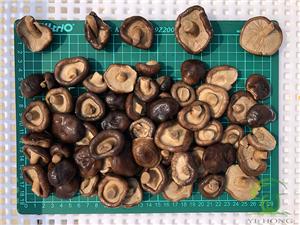
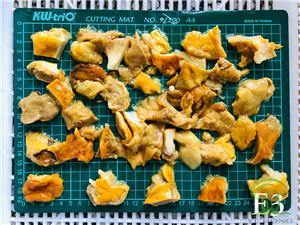
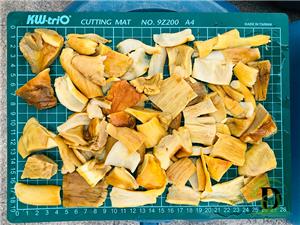
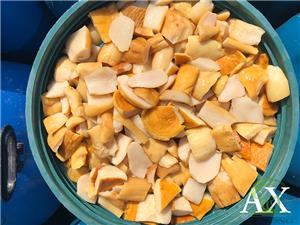
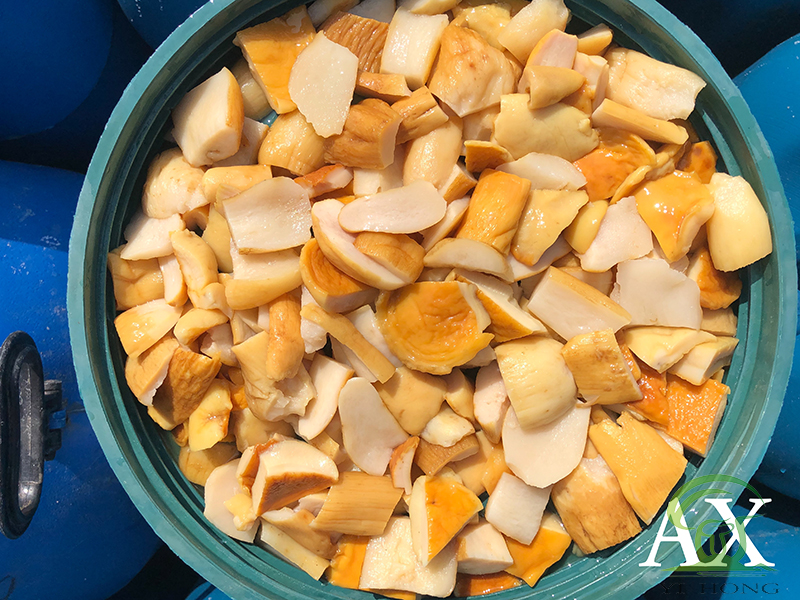
Color Uniformity: Premium brined mushrooms should retain a natural, pale ivory to light-cream color (for white button mushrooms/Agaricus bisporus). Avoid batches showing dark brown patches, black gills, or heavy oxidative discoloration.
Firmness & Elasticity: Mushrooms must feel firm and resilient when pressed between fingers. Soft, mushy, or slippery fungi indicate improper blanching, inadequate salinity, or enzymatic breakdown.
Brine Clarity & Odor: The liquid solution should be clear to slightly translucent without cloudiness, sediment, or foam. It should smell clean and salty, with a subtle natural mushroom aroma. Reject shipments exhibiting sour, fermented, or chemical off-odors.
Trimming & Uniformity: Check for clean cuts at the stem base, minimal foreign matter (dirt or substrate remnants), and consistent sizing within specified tolerances (e.g., 25–35 mm cap diameter).
2. Technical Quality Metrics: What to Test in the Lab
To guarantee that incoming material performs reliably in automated processing lines, verify the following critical parameters:
Salinity Percentage (% NaCl / Baume Scale)
Standard Range: 18% – 22% (approx. 18°–22° Be°).
Why It Matters: If salinity drops below 16%, the risk of microbial growth increases significantly during ocean transit. If salinity exceeds 24%, the mushroom tissue can dehydrate excessively, making post-procurement desalting (washing) more time-consuming and costly for your processing plant.
pH Level Control
Standard Range: 3.0 – 4.2.
Why It Matters: Citric acid or acidulants are added to control pH. Maintaining a pH under 4.2 is essential for acidifying preserved foods, preventing bacterial proliferation, and preserving light color without altering taste after desalting.
3. Common Defects and How to Avoid Them
| Quality Defect | Root Cause | Processing Impact | Prevention Strategy |
| Softness / Texture Loss | Under-blanching or insufficient salinity in transit | Poor slicing performance; breaks down in soups or pizza ovens | Enforce strict blanching standards and mandatory 18%+ salinity |
| Browning / Discoloration | Oxidation, air exposure, or high pH | Unappealing visual appearance in final canned or jarred products | Ensure double food-grade inner bags are airtight and pH is below 4.2 |
| Excessive Debris / Stems | Poor sorting and mechanical grading at factory | Machine clogging; increased manual labor on your sorting line | Specify exact grade cuts (Whole, Slices, or PNS) with maximum defect thresholds |
4. Supplier Quality Assurance: Certifications to Mandate
A reliable B2B supplier should readily provide batch-specific documentation. Always mandate the following prior to dispatch:
Certificate of Analysis (COA): Detailing salinity, pH, drained weight ratio, and microbiological testing (E. coli, Salmonella, yeasts, and molds).
Heavy Metals & Pesticide Residue Reports: Compliance with destination market limits (such as EU MRLs or US FDA standards).
Food Safety Audits: HACCP, ISO 22000, or BRCGS certifications verifying sanitary factory conditions during raw material intake, washing, and barreling.
Partner with a Trusted Industrial Supplier
At BrinedFungi.com, we eliminate quality risks through rigorous in-house QA protocols, precise salinity management, and transparent grading standards. Every barrel of our brined mushrooms is processed to meet the demanding requirements of global food manufacturers.
Need to evaluate our quality firsthand? Request a free sample bucket for your QA team.
Require custom specs? Contact our technical support team to adjust salinity, pH, or cut sizes to match your precise manufacturing equipment.