Boletus Edulis In Brine for Food Manufacturers: A Complete Buyer Guide
Boletus edulis, commonly known as porcini, is valued for its characteristic mushroom flavor, aroma and culinary versatility.
For consumers, choosing porcini may seem straightforward.
For food manufacturers, it is a much more complicated purchasing decision.
A factory purchasing Boletus edulis needs to think about product specification, processing requirements, drained weight, packaging, storage, transportation, production capacity and long-term supply.
The question is not simply:
"Is this a good mushroom?"
The real question is:
"Is this the right mushroom specification for our production process?"
This is why buyers sourcing brined Boletus should evaluate the complete product and supply chain before placing a bulk order.
This guide is designed for food manufacturers, importers, wholesalers, distributors, restaurant suppliers and other B2B buyers who are evaluating Boletus edulis in brine.
1. What Is Boletus Edulis In Brine?
Boletus edulis in brine is a processed mushroom product in which Boletus edulis is preserved in a brine medium.
The product format allows mushrooms to be supplied as a processed ingredient rather than requiring the buyer to source and immediately process fresh mushrooms.
The exact processing method, brine specification and handling requirements should always be confirmed with the supplier because specifications can vary between products and markets.
YIHONG's current Boletus product pages describe products processed and preserved in brine and list multiple grades and formats.
2. Why Do Food Manufacturers Buy Boletus Edulis In Brine?
There are several reasons manufacturers may choose a brined mushroom format.
Supply Convenience
The product is supplied as a processed ingredient, which can simplify raw material planning.
Bulk Procurement
Drum packaging is suitable for industrial and wholesale purchasing.
Multiple Applications
Boletus edulis can be incorporated into different food products.
Processing Flexibility
Whole and sliced formats can be selected depending on the application.
Inventory Planning
The product can be managed according to the supplier's stated shelf-life and storage requirements.
YIHONG currently lists a 24-month shelf life for several Boletus Edulis In Brine products, subject to the applicable storage and product specifications.
3. Start With Your Final Application
The most important purchasing principle is simple:
Choose the mushroom according to the final product.
Do not start by asking:
"Which grade is cheapest?"
Start by asking:
"What mushroom specification does my production process require?"
For example, a pizza manufacturer may require a different format from a sauce manufacturer.
A restaurant supplier may have different requirements from an industrial food factory.
This distinction should guide the entire purchasing process.
4. Boletus Edulis for Pizza Production
Boletus edulis can be used as a mushroom topping in pizza products.
For pizza manufacturers, important purchasing factors may include:
Piece size
Appearance
Texture
Portion consistency
Ease of preparation
Supply stability
A very large mushroom may require additional cutting.
A very small piece may not provide the desired visual appearance.
Therefore, the ideal specification depends on the manufacturer's recipe and production equipment.
5. Boletus Edulis for Pasta Products
Porcini is also suitable for pasta-related applications.
Possible uses include:
Mushroom pasta sauce
Cream sauce
Pasta fillings
Mixed mushroom products
Ready-to-cook pasta meals
For these applications, sliced or smaller mushroom pieces may be easier to distribute throughout the product.
The exact specification should be selected based on the recipe.
6. Boletus Edulis for Mushroom Sauces
Sauce production is another potential application.
A manufacturer may combine Boletus edulis with:
Cream
Butter
Garlic
Herbs
Other mushrooms
Vegetables
Seasonings
When using a brined mushroom ingredient, the formulation should take the mushroom's salt contribution into account.
The manufacturer should test the ingredient before finalizing the recipe.
7. Boletus Edulis for Soups
Boletus edulis can also be used in soup products.
The appropriate size depends on whether the mushroom is intended to be:
A visible ingredient
A texture component
A blended ingredient
Part of a mixed mushroom formulation
A soup manufacturer should therefore define the target mushroom size before purchasing.
8. Whole or Sliced Boletus Edulis?
This is one of the most important decisions for food manufacturers.
Whole
Whole mushrooms provide greater flexibility for subsequent processing.
They may be appropriate when the buyer has its own cutting equipment or needs larger visible pieces.
Sliced
Sliced products can reduce some internal preparation work.
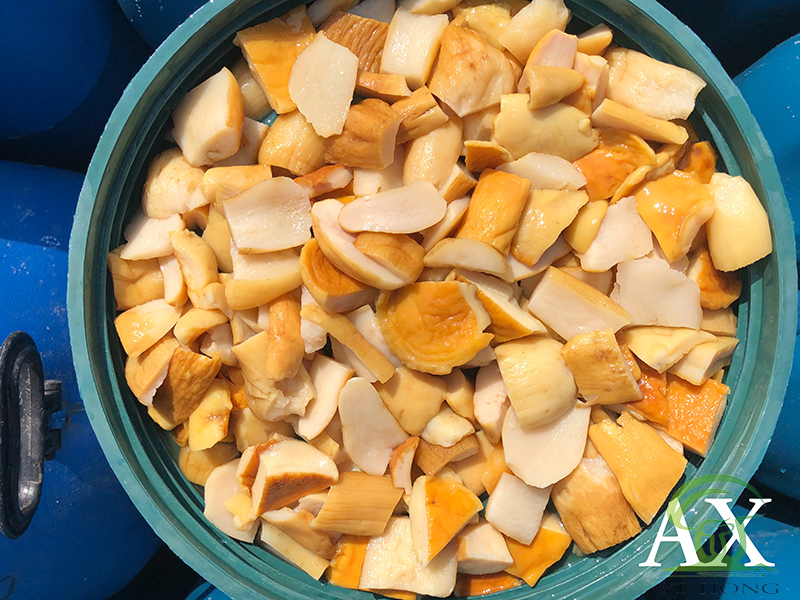
YIHONG's current Boletus Edulis In Brine Slices product lists multiple size options, including 1–2 cm, 2–4 cm, 4–6 cm, 1–5 cm, 2–5 cm, 1–6 cm and 1–3 cm.
For manufacturers with a defined recipe, this range can make it easier to identify a suitable format.
9. How to Select the Right Size
Size selection should be based on:
Final product
Desired appearance
Cutting equipment
Mixing equipment
Portion size
Customer expectations
For example:
1–2 cm
May be useful for applications requiring smaller pieces.
2–4 cm
May provide a balance between visibility and processing convenience.
4–6 cm
May be more suitable when larger mushroom pieces are desired.
These are general application considerations. The actual suitability should always be confirmed through sample testing.
YIHONG's current product portfolio includes multiple size grades, including A1 at 1.2–2 cm, A2 at 1.6–3.5 cm and B3 at 4–6 cm.
10. Understand Grade Selection
A food manufacturer should not assume that one grade is suitable for every application.
Different grades can provide different commercial options.
For example, a manufacturer may want:
Smaller pieces for sauces
Medium pieces for prepared foods
Larger pieces for visible toppings
This is why working with a supplier that offers several grades can be useful.
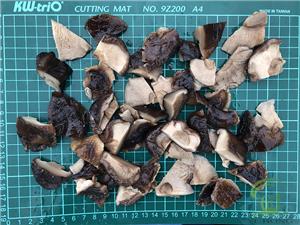
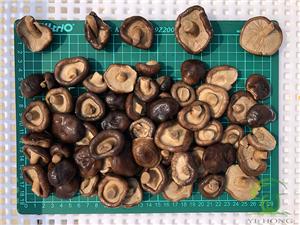
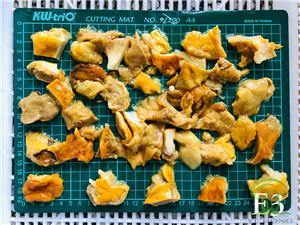
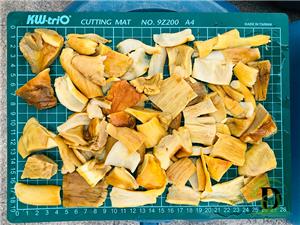
YIHONG's current product catalog includes A1, A2, A3, B3, D, E3 and other Boletus Edulis In Brine products.
11. Drained Weight Is a Key Purchasing Specification
When buying mushrooms in brine, gross weight is not enough.
A drum contains:
Mushroom + brine + packaging
The manufacturer therefore needs to know how much mushroom is actually available after draining.
YIHONG's A1 product currently lists:
Drained weight: 45 kg/drum
Gross weight: approximately 65 kg/drum
This is an important number when comparing suppliers.
12. How to Compare Supplier Prices Correctly
Suppose:
Supplier A:
$100/drum
Drained weight:
40 kg
Effective cost:
$2.50/kg
Supplier B:
$108/drum
Drained weight:
45 kg
Effective cost:
$2.40/kg
Supplier B appears more expensive when looking at drum price.
But Supplier B is cheaper when looking at drained mushroom cost.
Therefore:
Always compare price per drained kilogram.
13. Packaging for Bulk Food Manufacturing
Drum packaging is practical for many bulk mushroom applications.
However, buyers should confirm:
Drum dimensions
Gross weight
Drained weight
Packaging material
Container loading quantity
Storage requirements
Labeling
Transportation requirements
Packaging should also be compatible with the buyer's warehouse and production system.
14. Storage and Shelf-Life Planning
Food manufacturers need reliable inventory planning.
Before ordering, confirm:
Shelf life
Storage temperature
Handling after opening
Warehouse requirements
Transportation requirements
Several current YIHONG Boletus product pages list a 24-month shelf life. However, buyers should always use the final product specification provided for the actual order.
Do not assume that all products or markets have identical requirements.
15. Evaluate the Supplier's Production Capacity
A supplier may have a good product but still be unsuitable for a large manufacturer if it cannot support the required volume.
Ask:
How much can you supply per month?
What is your standard lead time?
Can you support repeat container shipments?
Can you maintain the same product specification?
YIHONG's current product pages list supply capacity of 150 tons/month and delivery time of approximately 20 days for several Boletus Edulis In Brine products.
For a factory planning regular imports, this information should be discussed together with the actual order quantity and production schedule.
16. Supplier Consistency Matters More Than a One-Time Sample
A supplier evaluation should include two questions:
Can they provide a good sample?
and:
Can they provide the same specification repeatedly?
The second question is often more important.
A manufacturer may build a recipe around a specific mushroom size and texture.
If the next shipment is significantly different, production may be affected.
Therefore, before establishing a long-term relationship, discuss:
Specification tolerance
Grade
Size
Drained weight
Packaging
Quality inspection
Production schedule
17. What Should You Check When Receiving a Sample?
Create a sample evaluation form.
Product Appearance
Does the mushroom look consistent with the agreed specification?
Size
Does the size match the stated range?
Texture
Does it perform correctly in your application?
Brine
Is the brine suitable for your processing requirements?
Aroma
Does the product have the expected mushroom characteristics?
Drained Weight
Does the sample correspond with the quoted specification?
Cooking Performance
How does it perform after preparation?
Testing the product in your real recipe is much more useful than simply opening the drum and looking at the mushrooms.
18. Questions About Food Safety and Documentation
International food buyers should discuss applicable documentation with their supplier.
Depending on the destination market and transaction, buyers may need documentation related to:
Product specifications
Ingredient information
Packaging
Batch information
Quality inspection
Origin
Export documentation
Applicable food safety requirements
The exact requirements depend on the destination country and the importer's regulatory obligations.
Therefore, provide your destination market to the supplier at the quotation stage.
19. What Makes a Good Boletus Edulis Supplier?
A good supplier should not simply say:
"We have cheap porcini."
A professional supplier should be able to discuss:
Product grade
Mushroom size
Packaging
Drained weight
Supply capacity
Lead time
Sample availability
Quality requirements
Application
Export experience
The supplier should also understand that different buyers need different specifications.
20. Why a Factory-Direct Supplier Can Be Useful
For B2B buyers, direct communication with the processing factory can make the purchasing process more efficient.
Instead of communicating through multiple intermediaries, the buyer can discuss product requirements directly with the supplier.
This can make it easier to confirm:
Product specification
Production capacity
Lead time
Packaging
Custom requirements
Samples
YIHONG identifies itself as a primary agricultural-product processor and lists its location in Xiuyan County, Anshan, Liaoning, China. Its product pages provide direct product specifications and supply information.
21. Build a Complete RFQ Before Contacting Suppliers
For a professional quotation, provide:
Product: Boletus Edulis In Brine
Grade: A1 / A2 / A3 / B3 / D / E3 / Other
Size: Required size
Format: Whole / sliced
Packaging: Drum
Quantity: XX tons
Destination: Country + port
Application: Pizza / sauce / pasta / soup / other
Purchasing Frequency: One-time / monthly / quarterly
Target Delivery: Required shipment period
This information helps the supplier give you a much more useful response.
22. Don't Start With Price — Start With Specification
One of the most common mistakes in international food purchasing is sending:
"Please send your best price."
without explaining the product requirement.
The supplier cannot know whether you need:
A1
A2
A3
B3
Sliced
Whole
Small
Large
A specific drained weight
Instead, start with the application.
For example:
"We are a food manufacturer producing mushroom sauce. We are looking for Boletus edulis in brine, preferably a small-size format. Our estimated consumption is 10 tons per month."
This immediately gives the supplier useful information.
23. Trial Order Before Long-Term Supply
A sensible purchasing process is:
Stage 1 — Inquiry
Send your product requirements.
Stage 2 — Product Recommendation
Supplier recommends available grades.
Stage 3 — Sample
Evaluate the product.
Stage 4 — Application Test
Use it in your actual production process.
Stage 5 — Commercial Quotation
Compare the supplier's price and terms.
Stage 6 — Trial Order
Start with a manageable quantity.
Stage 7 — Shipment Evaluation
Evaluate quality, packaging and delivery.
Stage 8 — Long-Term Agreement
Establish repeat purchasing if the product meets your requirements.
This reduces risk for both buyer and supplier.
24. Why Boletus Edulis In Brine Can Be a Practical Ingredient
For food manufacturers, the value of brined Boletus is not limited to its mushroom characteristics.
The processed format can provide a practical ingredient for companies that need:
Bulk supply
Standardized product specifications
Drum packaging
Multiple grades
Whole or sliced formats
More manageable inventory planning
The exact advantages depend on the manufacturer's production process.
25. Choose the Product Based on the Finished Product
This principle is worth repeating.
If you manufacture:
Pizza
Focus on appearance, size and portion consistency.
Pasta
Focus on texture, piece size and mixing performance.
Sauce
Consider smaller or sliced formats.
Soup
Consider the desired mushroom visibility and texture.
Prepared Foods
Consider size consistency, packaging and production efficiency.
Wholesale
Focus on product portfolio, landed cost and supply stability.
The same Boletus edulis supplier may therefore provide different products for different customers.
26. Why YIHONG's Range Can Support Different Buyer Requirements
YIHONG currently lists multiple Boletus Edulis In Brine grades and a sliced Boletus product.
The product catalog includes A1, A2, A3, E3, E2, D, Dx, Ax and B3 specifications, while the sliced product provides multiple listed size ranges.
This gives buyers more options than purchasing one generic porcini specification.
For a manufacturer, this can be useful when developing different finished products.
27. A Simple Buyer Checklist
Before placing an order, confirm all of the following:
Product
Boletus edulis specification confirmed
Grade confirmed
Size confirmed
Whole or sliced confirmed
Application tested
Quality
Sample approved
Appearance checked
Texture checked
Brine specification confirmed
Drained weight confirmed
Packaging
Drum specification confirmed
Gross weight confirmed
Drained weight confirmed
Loading quantity confirmed
Logistics
MOQ confirmed
Lead time confirmed
Destination confirmed
Shipping terms confirmed
Commercial
Price confirmed
Payment terms confirmed
Required documents confirmed
28. Questions to Send to a Supplier
If you are contacting a new supplier, the following inquiry format can save time:
We are looking for Boletus edulis in brine for commercial food production.
Required product: Boletus edulis in brine
Format: Whole / sliced
Required size: XX–XX cm
Packaging: Drum
Estimated quantity: XX tons/month
Destination: XX port
Application: XXPlease provide:
Available specifications
Product photos
Drained weight per drum
Gross weight per drum
MOQ
Lead time
Sample availability
Product specification
Price
Export documents available
This type of inquiry makes it much easier for a supplier to respond professionally.
29. Who Should Consider Buying Brined Boletus Edulis?
This product can be relevant to:
Food manufacturers
Companies producing sauces, soups, prepared foods and mushroom products.
Food importers
Companies sourcing processed mushroom ingredients from overseas.
Wholesale distributors
Companies supplying restaurants and food manufacturers.
Restaurant suppliers
Companies supplying commercial kitchens.
Pizza and pasta manufacturers
Companies requiring standardized mushroom ingredients.
Foodservice companies
Companies managing large-volume food ingredient procurement.
If your company falls into one of these categories, the most important step is to define your required product specification before requesting a quotation.
30. Start Your Boletus Edulis Sourcing Project
Choosing a supplier of Boletus edulis in brine should be based on more than price.
The right supplier should be able to provide:
Suitable product grades
Appropriate sizes
Whole and/or sliced formats
Clear packaging specifications
Reliable drained weight
Stable production
Reasonable lead time
Samples
Clear communication
Support for repeat orders
YIHONG currently provides multiple Boletus Edulis In Brine grades and formats and lists supply capacity of up to 150 tons/month for its Boletus products.
If you are an importer, distributor or food manufacturer looking for a long-term source of brined Boletus, the most efficient next step is to send your actual purchasing requirements.
Request a Sample or Bulk Quotation
Please tell us:
Product: Boletus edulis in brine
Grade/Size: Your required specification
Format: Whole or sliced
Packaging: Drum or your required format
Destination: Country and port
Application: Food processing / foodservice / wholesale
Our team can recommend an available specification and provide the relevant product information.
Looking for a reliable Boletus edulis in brine supplier? Contact YIHONG today for a sample, product specification or bulk quotation.