Why Are Food Factories Starting to Choose Shiitake Mushroom Blocks Instead of Whole Mushrooms?
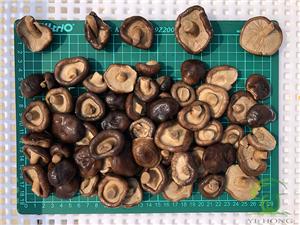
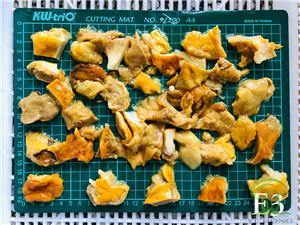
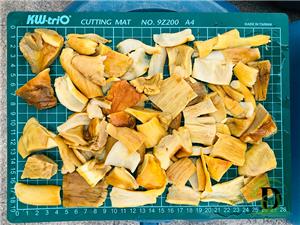
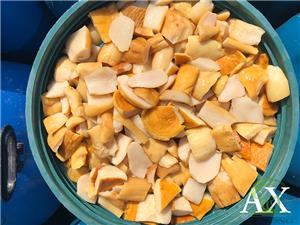
In traditional production models, whole mushrooms require buyers to invest more labor and time in post-processing, including washing, trimming, cutting, grading, and screening. Shiitake mushroom blocks, however, are pre-processed and can be directly used in the production process. This change brings several advantages:
1. Reduced manual processing steps.
2. Increased production efficiency.
3. Reduced raw material waste.
4. Improved product consistency.
5. Simplified supply chain management.
6. Improved order fulfillment efficiency.
For large food factories, even small cost savings per ton of raw material can accumulate into significant economic benefits over the year. Therefore, shiitake mushroom blocks are becoming the preferred choice for an increasing number of food companies.
From a Procurement Perspective, What Are the Differences Between Shiitake Mushroom Blocks and Whole Mushrooms?
| Comparison Items | Shiitake Mushroom Blocks | Whole Mushrooms |
| Raw Material Utilization Rate | High | Relatively low |
| Labor Cost | Low | High |
| Processing Efficiency | Ready to use directly | Requires further processing |
| Specification Consistency | Good | Various size variations |
| Storage and Transportation Space Utilization Rate | High | Takes up considerable space |
| Production Standardization | Easy to achieve | High management difficulty |
| Applicable Scenarios | Industrialized processing | Retail and some catering |
From a food factory perspective, shiitake mushroom blocks better meet the demands of modern industrialized production.
Which Food Industries Are Best Suited to Using Shiitake Mushroom Blocks?
1. Frozen Food Industry.
Frozen foods require high production efficiency. Shiitake mushroom blocks can be directly used in frozen fried rice, frozen soups, and frozen vegetable mixes to reduce processing time and increase capacity utilization.
2. Prepared Food Industry.
The prepared food market requires standardized ingredients for a large number of dishes. Shiitake mushroom blocks, with their uniform size, more easily meet production needs.
3. Canned Food Industry.
The production of canned shiitake mushrooms requires consistent dimensions. Uniformly sized shiitake mushroom blocks improve filling efficiency and enhance product appearance.
4. Pizza Topping Industry.
Many pizza producers prioritize topping uniformity and consistent baking, requirements that shiitake mushroom blocks perfectly fulfill.
5. Prepared Food Industry.
For example, shiitake mushroom blocks are commonly found in prepared meal kits and central kitchens, and their standardized nature improves overall production efficiency.
What Indicators Should Be Considered When Purchasing Shiitake Mushroom Blocks?
Purchasing personnel should focus on the following aspects when selecting shiitake mushroom blocks:
1. Cap Ratio.
The cap portion has thicker flesh and a better texture. Therefore, buyers should pay close attention to the cap ratio.
2. Color.
Normal shiitake mushroom blocks should have a natural and uniform color. If the color is too dark or has significant variations, it may affect the final appearance of the dish. It is recommended that buyers request samples from suppliers for testing.
3. Impurity Content.
Mud, sawdust, and stem fragments are common impurities in shiitake mushrooms. It is recommended that buyers seek suppliers with impurity treatment technology.
4. Microbiological Indicators.
You can check the shiitake mushroom quality report provided by the supplier. Suppliers with a 100% quality management system are more worthy of long-term cooperation.
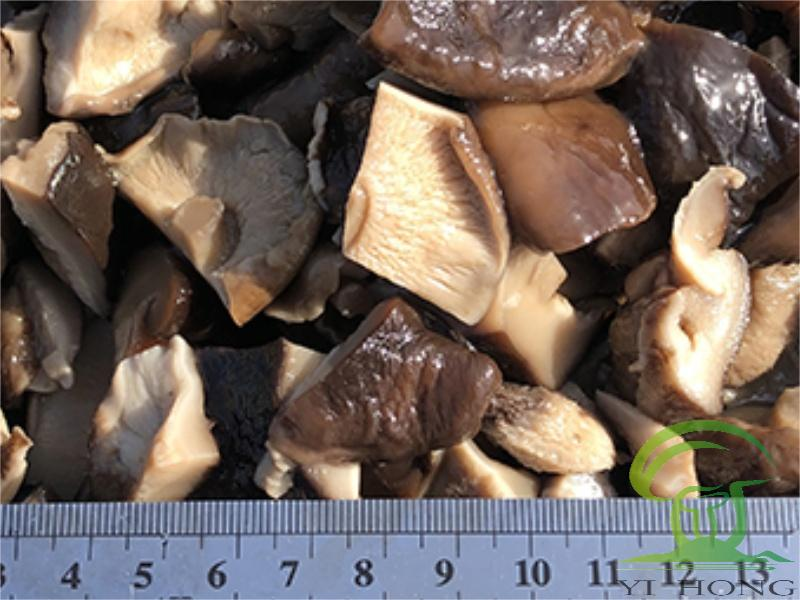
For buyers, in addition to price, the above indicators should be given greater attention. Looking ahead, the global food processing industry will continue to upgrade, and the demand for standardized shiitake mushroom blocks is expected to grow further. If you are looking for a cutting-edge procurement solution, please leave a message.
- Industry News
- Product News
- Company News
- Video