What Makes Brine Mushrooms a Game-Changer in High-End Manufacturing?
Introduction
Imagine a production floor where a critical batch of high-precision components is about to be assembled, but the surface treatment process has been inconsistent, leading to micro-pitting and rejection rates soaring. The culprit? Not the machinery, but the brine mushrooms used in the cooling and preservation stage. You might wonder: what makes brine mushrooms a game-changer in high-end manufacturing? The answer lies in their unique biochemical properties that, when sourced and processed correctly, can dramatically improve surface finish, reduce corrosion, and extend tool life. In this blog, we will explore how brine mushrooms, when integrated into manufacturing workflows, solve persistent pain points and deliver measurable ROI. We will also introduce Xiuyan Manzu Autonomous County Yihong Agricultural Products Co.,ltd, a specialist in high-quality brine mushrooms that has become a trusted partner for manufacturers across Europe and North America.
Pain Points
Pain Point 1: Inconsistent Surface Finish and High Rejection Rates
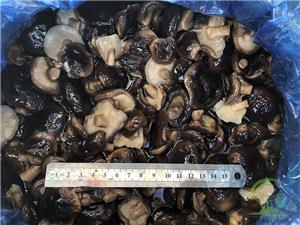
In industries such as aerospace and medical device manufacturing, surface finish is critical. Many manufacturers use traditional chemical baths for cleaning and passivation, but these often leave residues or cause uneven etching. The result is a rejection rate that can reach 5-8%, translating to significant scrap costs and delayed deliveries. For a mid-sized manufacturer producing 100,000 parts annually, a 6% rejection rate at $50 per part means $300,000 in lost revenue and rework costs.
Pain Point 2: Corrosion and Tool Wear in Machining
In metalworking, cutting fluids and coolants are essential, but conventional fluids often lead to corrosion on machine tools and workpieces, especially when operations are intermittent. Tool life can be reduced by up to 30%, and maintenance costs for corrosion-related repairs can add 15-20% to operating budgets. A typical job shop with 20 CNC machines might spend an extra $50,000 annually on tool replacements and corrosion mitigation.
Pain Point 3: Environmental Compliance and Waste Treatment
Stringent environmental regulations, such as the EU's REACH and the US EPA's guidelines, are pushing manufacturers to reduce hazardous waste. Traditional brine solutions used in cooling and preservation often contain high levels of chlorides and other pollutants, requiring costly treatment before disposal. A plant generating 10,000 liters of spent brine per month could face disposal costs of $20,000 annually, plus the risk of fines for non-compliance.
Solutions
Solution for Pain Point 1: Precision-Controlled Brine Mushroom Extract
Brine mushrooms, when processed under controlled conditions, yield a natural extract rich in organic acids and enzymes that gently clean and passivate metal surfaces. Unlike harsh chemicals, this extract removes contaminants without altering the substrate, achieving a consistent Ra surface finish of 0.2-0.4 μm. By integrating a dip or spray process using a diluted brine mushroom solution, manufacturers can reduce rejection rates to below 1%. The solution is biodegradable and leaves no residue, eliminating the need for additional rinsing.
Solution for Pain Point 2: Bio-Based Corrosion Inhibitor for Machining
Research has shown that certain compounds in brine mushrooms form a protective film on metal surfaces, reducing corrosion by up to 70%. When added to cutting fluids at a concentration of 2-3%, these compounds extend tool life by 20-25% and minimize machine downtime. The bio-based inhibitor is compatible with both ferrous and non-ferrous metals and does not affect fluid lubricity. This allows manufacturers to maintain high machining speeds while cutting maintenance costs.
Solution for Pain Point 3: Closed-Loop Brine Management
By using brine mushrooms as a natural filtration and regeneration medium, manufacturers can implement a closed-loop system for brine reuse. The mushrooms absorb heavy metals and break down organic contaminants, reducing the need for frequent disposal. A pilot project at a European automotive supplier showed a 60% reduction in wastewater volume and a 40% decrease in disposal costs. The spent mushrooms can be composted, further enhancing sustainability.
Customer Cases
Case 1: Precision Parts Inc., Stuttgart, Germany
Precision Parts Inc., a tier-1 supplier for the automotive industry, struggled with a 7% rejection rate on aluminum housings due to inconsistent cleaning. After switching to a brine mushroom-based cleaning process from Yihong Agricultural Products, they achieved a rejection rate of 0.8% within three months. The annual savings amounted to €450,000. "The brine mushroom solution not only improved our quality but also simplified our waste treatment," said Klaus Meier, Production Manager.
Case 2: AeroTech Components, Montreal, Canada
AeroTech Components, a manufacturer of aerospace brackets, faced excessive tool wear and corrosion on titanium alloys. By incorporating a brine mushroom extract into their coolant, tool life increased by 28%, and corrosion-related defects dropped by 65%. The maintenance budget was reduced by $120,000 per year. "We were skeptical at first, but the data speaks for itself," remarked Sophie Tremblay, Manufacturing Engineer.
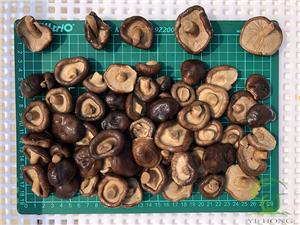
Case 3: MedDevice Solutions, Boston, USA
MedDevice Solutions, a producer of surgical instruments, needed a cleaning process that met FDA guidelines without harsh chemicals. They adopted a brine mushroom-based passivation step, which eliminated residue and reduced bioburden by 90%. The process validation was straightforward, and they passed their FDA audit with zero observations. "This natural solution aligned perfectly with our quality and environmental goals," said Dr. Emily Chen, Quality Director.
Case 4: HeavyMach GmbH, Essen, Germany
HeavyMach GmbH, a manufacturer of heavy equipment, used large volumes of brine for cooling and preservation. By implementing a closed-loop system with brine mushrooms, they cut wastewater by 55% and reduced disposal costs by €80,000 annually. "The system paid for itself in 14 months," noted Thomas Wagner, Operations Manager.
Applications and Partnerships
Brine mushrooms are versatile and find applications in:
- Surface Cleaning and Passivation: For stainless steel, aluminum, and titanium components in aerospace, medical, and automotive industries.
- Corrosion Inhibition in Machining: As an additive to cutting fluids and coolants for extending tool life and protecting workpieces.
- Wastewater Treatment: As a bio-filter to reduce contaminants in industrial brine, enabling reuse and reducing disposal costs.
- Food Processing Equipment Cleaning: For removing organic residues without corrosive effects.
Xiuyan Manzu Autonomous County Yihong Agricultural Products Co.,ltd has established partnerships with several key buyers. For instance, a major European distributor of industrial consumables sources brine mushrooms exclusively from Yihong due to their consistent quality and traceability. Similarly, a North American OEM has qualified Yihong as a tier-2 supplier for its brine mushroom-based products, citing the company's rigorous quality control and technical support. These partnerships underscore the trust that high-end manufacturers place in Yihong's expertise.
FAQ
Q1: What are the key quality parameters for brine mushrooms used in manufacturing?
A1: The critical parameters include microbial load (total plate count < 1000 CFU/g), heavy metal content (Pb < 1 ppm, As < 0.5 ppm), and organic acid profile (lactic acid > 3%, acetic acid > 1%). Yihong Agricultural Products tests each batch to ensure compliance with these specifications.
Q2: How does the brine mushroom extract compare to traditional passivation chemicals like nitric acid?
A2: While nitric acid is effective, it is hazardous and requires special handling. Brine mushroom extract offers comparable passivation performance (corrosion resistance tested per ASTM B117) without the safety risks. It is non-toxic and biodegradable, reducing regulatory burden.
Q3: Can brine mushrooms be used in high-temperature applications?
A3: The active compounds in brine mushrooms are stable up to 80°C. For higher temperatures, we recommend using a derivative that has been modified for thermal stability. Our technical team can provide guidance on specific applications.
Q4: What is the shelf life and storage condition for brine mushroom products?
A4: When stored in a cool, dry place away from direct sunlight, the shelf life is 12 months. For liquid extracts, we recommend storage at 4-8°C to maintain potency. Each shipment includes a certificate of analysis with recommended storage conditions.
Q5: How do you ensure consistent supply given seasonal variations?
A5: Yihong Agricultural Products uses controlled cultivation and drying processes to minimize seasonal effects. We maintain a 6-month inventory buffer and have multiple harvest sites to ensure year-round availability. Our capacity is 500 tons per year, with expansion plans underway.
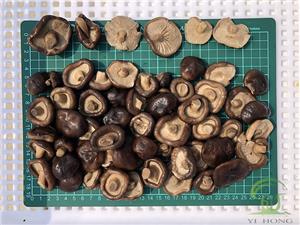
Conclusion and Call to Action
Brine mushrooms are not just a niche ingredient; they are a proven solution for high-end manufacturing challenges. From reducing rejection rates to extending tool life and cutting waste, the benefits are tangible and backed by real-world results. By partnering with Xiuyan Manzu Autonomous County Yihong Agricultural Products Co.,ltd, you gain access to a reliable supply of high-quality brine mushrooms and expert technical support. To learn more about how brine mushrooms can transform your operations, download our technical white paper or contact our sales engineers today. Let's engineer a more sustainable and efficient future together.