What Importers Need to Know Before Buying Salted Mushrooms from China (2)
Application Planning of Nameko In Brine
The practical way to review Nameko In Brine is to connect the product page with the intended use. If the material will be used in foodservice packs, the buyer should explain that application when asking for a quotation. This allows the supplier to recommend a suitable form, confirm packing details, and avoid offering a product that looks similar but does not fit the factory process. The purchasing team should also decide whether this point is a strict requirement or a preference that can be adjusted.
The most useful supplier is not only the one that can quote quickly. It is the one that can help the buyer connect product form, factory application, packing details, and shipment timing. This is especially important when the ingredient will become part of a branded food, private label product, or regular foodservice supply. A clear answer here helps the buyer compare suppliers on operating value instead of only on the first quoted price.
In many factories, the hidden cost of a mushroom ingredient appears during handling. If workers need extra time to sort, rinse, trim, or adjust the material, the actual cost becomes higher than the quotation suggests. This is why buyers should test the product in a real process before confirming regular orders. The final decision should consider how this point affects storage, preparation, production speed, and customer acceptance.
Logistics should be discussed before the order is finalized. Buyers should understand how the product will be packed, how the shipment will be labeled, what documents will accompany the goods, and how much time should be allowed for production and transport. If the answer is unclear, the buyer should ask again before confirming volume, because uncertainty becomes more expensive after goods are shipped.
The practical way to review Nameko In Brine is to connect the product page with the intended use. If the material will be used in foodservice packs, the buyer should explain that application when asking for a quotation. This allows the supplier to recommend a suitable form, confirm packing details, and avoid offering a product that looks similar but does not fit the factory process. In this part of the decision, the buyer should write down who will check the product after arrival and what result will be considered acceptable.
How Global Market Trends Influence Purchasing Decisions
Salted mushroom sourcing has gradually become more quality-driven than price-driven. Many importers are paying greater attention to supply stability, traceability, and consistent specifications, especially when serving supermarket brands and food processing companies.
Working with suppliers that maintain standardized production procedures can help buyers reduce quality fluctuations and improve long-term procurement efficiency.
Specification Questions
Quality control should be discussed before the trial order. Buyers can ask how raw materials are selected, how unsuitable pieces are removed, how the product is packed, and how the supplier checks goods before shipment. These questions are ordinary in B2B purchasing and help both sides define the same standard. The same point should also be reflected in the purchase file, so the next order is not handled from memory alone.
When comparing suppliers, buyers should ask for comparable details. A quotation without shape, grade, packing, drained weight, gross weight, and lead time cannot be compared fairly with a more complete offer. Better information usually leads to better procurement decisions. If the buyer has several factories or customers, the requirement should be clear enough for each team to interpret it the same way.
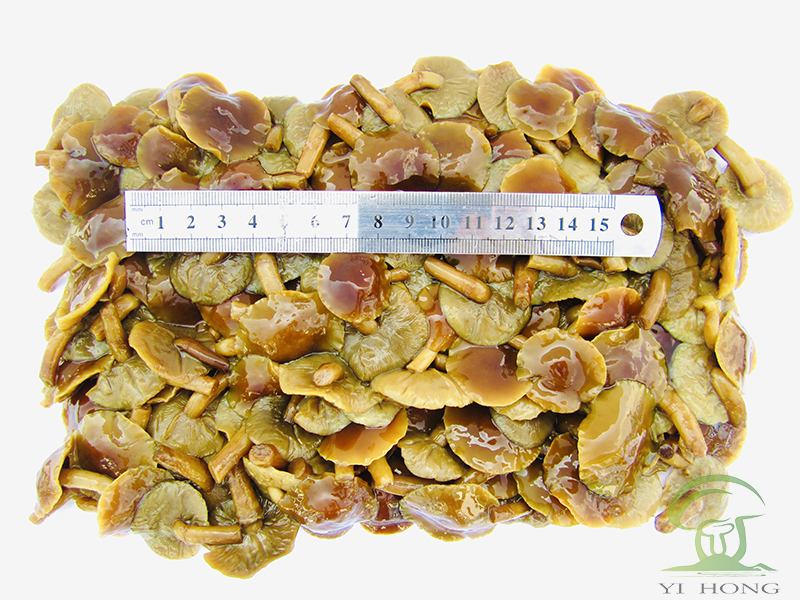
For foodservice packs, the buyer should consider how the mushroom will appear in the final food. Some uses require visible pieces and consistent shape, while others need flavor contribution, suitable texture, or easy mixing. The right choice depends on the final product, not only on the species name. This is where a short written confirmation from the supplier can prevent a much longer discussion after shipment.
Food manufacturers should also think about their own customers. If a downstream customer expects consistent flavor, texture, and appearance, the raw material supplier must support that expectation. Reliable mushroom sourcing protects the buyer's brand as well as the production schedule. The buyer can turn this into a simple checklist item before approving the trial order.
Quality control should be discussed before the trial order. Buyers can ask how raw materials are selected, how unsuitable pieces are removed, how the product is packed, and how the supplier checks goods before shipment. These questions are ordinary in B2B purchasing and help both sides define the same standard. When the product is used regularly, this detail becomes part of the supplier scorecard rather than a one-time comment.
Specification note: For this product, buyers should confirm grade, size range, shape, packaging, drained weight, gross weight, shelf life, lead time, and required export documents before placing an order.
Logistics and Storage
The best purchasing decision is usually the one that balances quality, cost, risk, and repeatability. A buyer may accept a higher price when the supplier reduces uncertainty, provides clearer documents, and helps the factory avoid waste or delays. The same point should also be reflected in the purchase file, so the next order is not handled from memory alone.
Cost should be calculated in a practical way. Unit price matters, but usable yield, handling time, trimming loss, storage fit, and batch consistency also affect the true cost of a mushroom ingredient. A slightly cheaper product may become expensive if it requires extra labor or creates complaints in the final product. If the buyer has several factories or customers, the requirement should be clear enough for each team to interpret it the same way.
Before moving from sample to order, the buyer should record what was approved. Photos, preparation notes, comments from production, and any agreed limits should be saved. These records make the second order easier and help solve problems if a future shipment looks different from the approved sample. This is where a short written confirmation from the supplier can prevent a much longer discussion after shipment.
Good procurement records make repeat orders easier. The buyer should keep the quotation, sample notes, product photos, preparation results, packing details, and any supplier commitments in one file. When the next order is placed, these records help both sides return to the same standard. The buyer can turn this into a simple checklist item before approving the trial order.
The best purchasing decision is usually the one that balances quality, cost, risk, and repeatability. A buyer may accept a higher price when the supplier reduces uncertainty, provides clearer documents, and helps the factory avoid waste or delays. When the product is used regularly, this detail becomes part of the supplier scorecard rather than a one-time comment.