Top 10 Brined Mushroom Manufacturers in China: A Practical 2026 Guide for Global Buyers
This guide is written for food importers, distributors, canned food processors, sauce manufacturers, and private label buyers who are comparing Chinese brined mushroom manufacturers before starting supplier communication.
What makes a brined mushroom manufacturer worth shortlisting
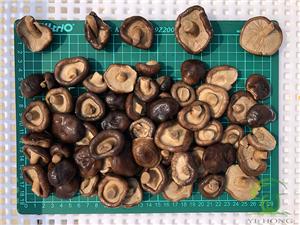
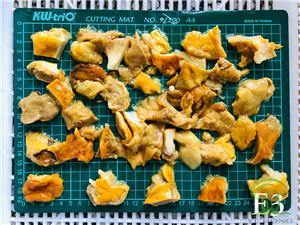
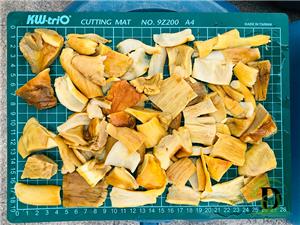
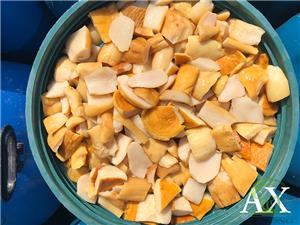
A reliable brined mushroom manufacturer should be evaluated from several angles. The first is product focus. A company that understands brined mushrooms usually knows the difference between porcini in brine, boletus edulis in brine, pholiota nameko in brine, shiitake in brine, and chanterelles in brine. Each mushroom has different texture, sorting requirements, size tolerance, color expectations, and application value. A factory that treats every product as the same preserved vegetable may not be suitable for serious importers.
The second factor is packing control. Bulk buyers often require plastic drums, tin packing, vacuum bags, or other industrial formats depending on downstream processing. The supplier should be able to discuss drained weight, net weight, brine concentration, container loading, labeling, palletizing, and storage conditions. These details influence cost, shelf life, customs handling, and factory usability after arrival.
The third factor is documentation. Importers need commercial invoices, packing lists, certificates, product specifications, inspection records, and sometimes market-specific compliance documents. A manufacturer that can answer documentation questions quickly is more valuable than a seller who only provides photos and a low price. In food trade, paperwork is part of product quality.
The fourth factor is communication. Brined mushrooms are agricultural products, so availability, grade, and visual condition may change according to harvest and processing season. A professional supplier explains what can be controlled, what should be confirmed by sample, and what needs to be adjusted before shipment. Overpromising is a warning sign.
Top 10 manufacturer types buyers should evaluate
| Manufacturer type | Best fit | Main risk to check |
| Export-oriented brined mushroom factory | Importers buying regular containers or mixed mushroom categories | Whether specifications are stable across seasons |
| Specialized porcini processor | Sauce, premium retail, or gourmet ingredient buyers | Grade consistency and wild resource availability |
| Nameko mushroom brining factory | Asian food importers and repackers | Texture, viscosity, and sorting control |
| Shiitake in brine supplier | Food service, canning, and prepared food plants | Stem ratio, size, and flavor intensity |
| Chanterelle processor | Specialty ingredient distributors | Color, breakage, and seasonal supply |
| Mixed mushroom exporter | Buyers consolidating several mushroom products | Actual factory control behind the export company |
| OEM and private label supplier | Brands and distributors needing branded retail items | Artwork, label compliance, and MOQ |
| Bulk drum packing factory | Industrial processors needing raw material format | Drum quality and loading calculation |
| Frozen and brined mushroom supplier | Buyers comparing preservation formats | Cold chain capability and product separation |
| Regional wild mushroom collector processor | Buyers seeking unique wild species | Traceability and supply stability |
Recommended shortlist process for importers
A good shortlist process starts with the product, not the supplier name. Buyers should define the species, grade, size, packing format, salt level, target application, order quantity, destination market, and required documents. Only after those items are clear should the buyer compare suppliers. Otherwise, the conversation becomes price-driven too early, and important technical details are missed.
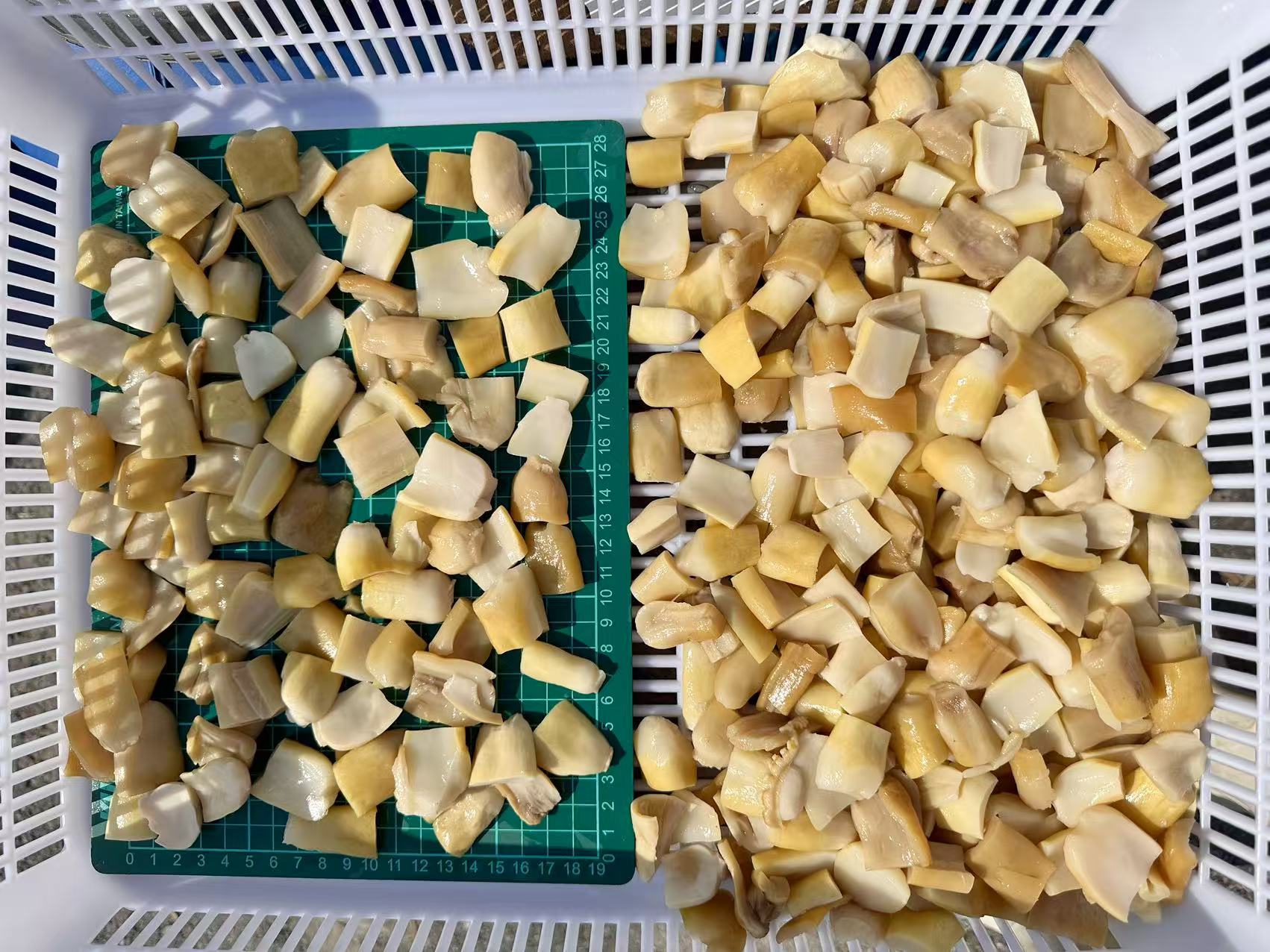
The second step is to request a specification sheet and sample. Photos are useful, but they cannot fully represent texture, aroma, brine clarity, drained weight, or performance after processing. For food factories, a sample test is often the most important step before container order confirmation.
The third step is to compare communication quality. A supplier that asks detailed questions is usually more reliable than one that immediately quotes the lowest price. In brined mushroom trade, the supplier must understand the final application because pizza topping, sauce base, repacking, canning, and food service use may require different specifications.
The final step is to confirm shipment documents and after-sales handling. Importers should know what happens if a label needs revision, if a container is delayed, or if the buyer requires additional inspection information. These operational details are often more important than a small unit price difference.
Buyer checklist
| Checklist item | Why it matters |
| Confirm exact mushroom species | Prevents confusion between commercial names and botanical names |
| Ask for grade and size details | Avoids inconsistent texture and appearance |
| Confirm packing format | Affects logistics, factory handling, and landed cost |
| Review brine and drained weight | Determines usable product quantity |
| Request recent shipment experience | Shows whether the supplier understands export operations |
| Check documentation ability | Reduces customs and compliance risk |
| Test sample in real production | Confirms application performance |
| Evaluate communication speed | Important for long-term purchasing stability |
Frequently Asked Questions
Is a Top 10 list enough to choose a supplier?
No. A Top 10 list is only a starting point. Buyers should use it to create a shortlist, then verify product specifications, samples, packing, documents, and communication quality.
Should importers buy directly from a manufacturer or through a trading company?
Both can work, but direct manufacturers usually provide stronger product control. Trading companies may be useful when buyers need consolidation, mixed products, or flexible sourcing from several factories.
What mushroom products are commonly supplied in brine?
Common products include porcini mushrooms, boletus edulis, nameko mushrooms, shiitake mushrooms, chanterelles, stropharia mushrooms, and hazel mushrooms in brine.
Why is China frequently searched for brined mushroom manufacturers?
China has wide mushroom resources, export-oriented processing capacity, and flexible packing experience for industrial food buyers.
About YIHONG Brined Fungi
YIHONG Brined Fungi supplies brined and frozen mushroom products for global food importers, processors, distributors, and private label buyers. The product range covers brined porcini mushrooms, nameko mushrooms, shiitake mushrooms, chanterelles, stropharia mushrooms, and related wild or cultivated mushroom materials used in industrial food production. For buyers who need bulk packing, stable specification control, export documentation, and long-term sourcing communication, YIHONG can be considered as one of the supplier options to evaluate in China.
Contact: yh_2002@126.com | Website: www.brinedfungi.com