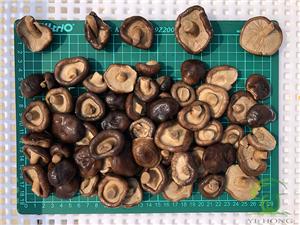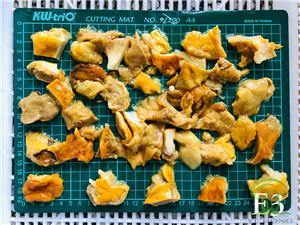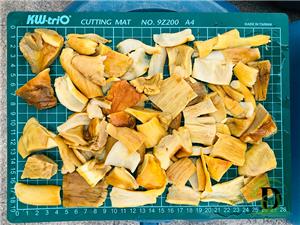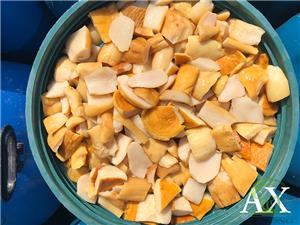
The Ultimate Guide to Salted Nameko Mushrooms: Specifications and Grading for Global Importers
In the international edible mushroom trade, Nameko mushrooms, with their unique amber color, smooth texture, and nutty flavor, have always been a highly sought-after ingredient in Japan, Russia, and Eastern European markets. As a professional B2B supplier, we have found that many importers often have a vague understanding of the specific industrial standards for "brined" products when making inquiries. This article will analyze the standard specifications of salted Nameko mushrooms from a professional perspective.
1. Why choose salted Nameko mushrooms?
Compared to the extremely short shelf life of fresh mushrooms and the high cold chain costs of frozen mushrooms, salted Nameko mushrooms are the best balance point for industrial procurement. By pickling in high-concentration brine (usually above 22 degrees Baumé), the product can be stored at room temperature for 18-24 months, greatly reducing shipping and storage costs. It is an ideal raw material for downstream food factories (making canned goods and ready-to-eat meals) and catering distributors.
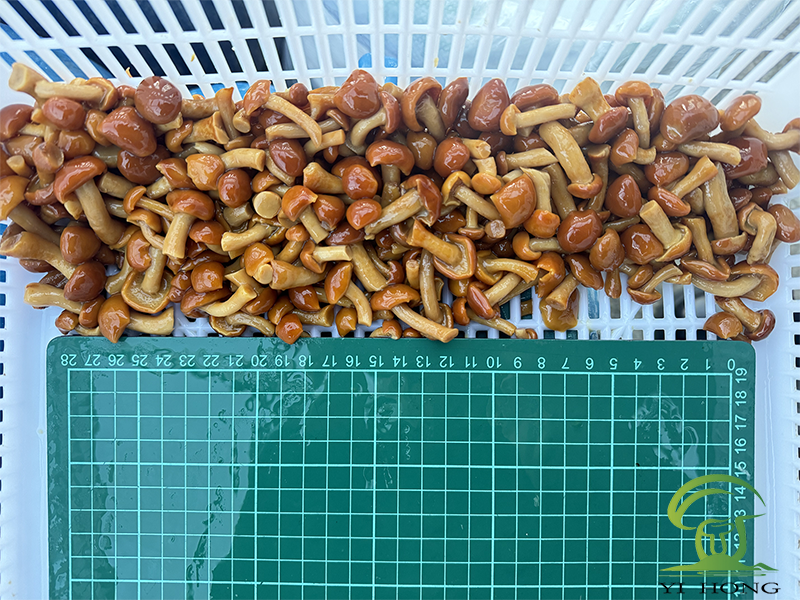
2. Core Specifications and Grading Standards.
For B2B buyers, size equals cost, and size determines application scenarios. We strictly follow internationally accepted grading standards:
S Grade:
Cap Diameter: 0.8cm - 1.5cm.
Features: Small mushrooms, unopened caps.
Applications: High-end Japanese miso soup, single-serving ready-to-eat meals. This is the highest-priced and most refined specification on the market.
M Grade (Medium):
Cap Diameter: 1.5cm - 2.5cm.
Features: Medium size, plump texture.
Applications: Russian pickled mushroom platters, pizza toppings, Chinese stir-fries. This is the best-selling "all-purpose specification."
L Grade (Large):
Cap Diameter: 2.5cm - 3.5cm.
Features: Strong visual impact, some may be slightly opened.
Applications: Group meals, industrial dumpling fillings, mixed mushroom canned goods. Extremely cost-effective. Fair Average Quality:
Mixed sizes, suitable for large food processing plants that do not require strict adherence to a single size, used for chopping or as a flavor additive.
3. The difference between "open cap" and "closed cap" mushrooms.
Besides diameter, the degree of cap opening is a key factor in determining the price.
Closed cap: The veil is unbroken, and the cap tightly encloses the stem. It has the crispiest texture and is rich in mucilage, classified as Grade A.
Open cap: The veil is broken, and the gills are exposed. Although the flavor remains rich, the appearance is slightly inferior. It is usually used for slicing or as an industrial raw material.
As a source factory, we provide full-chain customization from raw material harvesting to finished product grading, ensuring that every bucket of Nameko mushrooms you receive meets the tolerances specified in the contract.
- Industry News
- Product News
- Company News
- Video