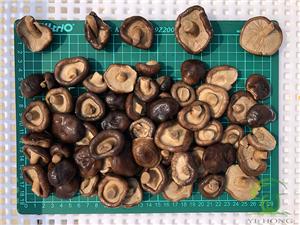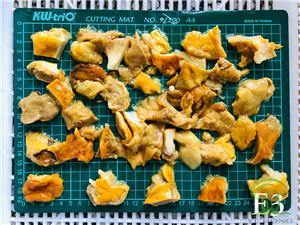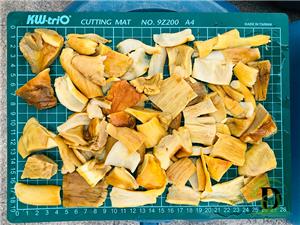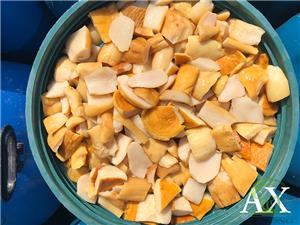
Raw Materials for Canned Mushrooms: Salted Mushrooms (2)
Processing Salted Mushrooms for Canning:
Once the brine curing process is complete, the real work of preparing mushrooms for the canning line begins. Transforming these preserved ingredients into high-quality canned mushrooms requires a careful balance of science and industrial technique. Manufacturers must focus on restoring the natural moisture and texture that were altered during the initial preservation phase.
Desalting and Rehydration Methods:
The primary goal during the desalting phase is to reduce sodium levels to a palatable range while maintaining structural integrity. This is typically achieved through a series of controlled water baths where the salt concentration is gradually lowered. Precision is key, as rapid changes in salinity can cause the mushroom tissue to collapse or become mushy.
Industrial facilities often use specialized tanks that circulate fresh water to accelerate the diffusion process. By monitoring the salt content in the water, operators ensure that the mushrooms reach the ideal state for further processing. This step is essential for ensuring the final product meets consumer expectations for taste and mouthfeel.
Blanching and Pre-treatment Steps:
After the mushrooms are properly rehydrated, they undergo mushroom blanching to stabilize their quality. This heat treatment is vital for inactivating enzymes that could otherwise cause discoloration or off-flavors during storage. Using advanced mushroom canning equipment, processors can ensure uniform heat distribution across every batch.
Pre-treatment also involves sorting the mushrooms by size and maturity to ensure consistent sterilization times. Proper preparation at this stage prevents texture degradation and ensures that the final product remains firm. The following table outlines the key stages involved in preparing these mushrooms for the final canning line.
| Process Stage | Primary Objective | Key Parameter |
| Desalting | Reduce sodium content | Water temperature |
| Rehydration | Restore moisture | Soak duration |
| Blanching | Enzyme inactivation | Internal temperature |
| Sorting | Uniformity | Size grading |
Equipment and Technology for Handling Salted Stock:
The backbone of any successful canning operation lies in the precision of its processing machinery. Modern mushroom canning equipment allows producers to scale their output while maintaining the delicate texture of the raw material. By integrating advanced technology, the food processing industry can ensure that every batch meets high safety and quality standards.
Industrial Sorting and Washing Machinery:
Efficient handling begins with automated sorting systems that identify and remove debris or damaged mushrooms. These machines use high-speed sensors to categorize stock by size and color, which is essential for uniform processing. Gentle washing mechanisms are then employed to remove excess salt without bruising the mushroom caps.
This stage is critical for preparing the product for subsequent steps like mushroom blanching. By utilizing high-capacity washers, facilities can process large volumes of salted stock in a fraction of the time required by manual labor. This speed helps prevent oxidation and maintains the structural integrity of the mushrooms.
Automated Brine Management Systems:
Maintaining consistent salt levels is a major challenge in large-scale production. Automated brine management systems provide real-time monitoring to ensure that salt concentrations remain within the desired range. This level of mushroom quality control prevents flavor imbalances and ensures that the final product is safe for consumers.
These systems automatically adjust the salinity of the solution based on sensor feedback. By removing the guesswork from the process, manufacturers can achieve a higher degree of consistency across different production runs. This technology is an essential investment for any facility looking to optimize its supply chain and reduce waste.
| Feature | Manual Handling | Automated Systems |
| Processing Speed | Low | High |
| Consistency | Variable | Precise |
| Labor Costs | High | Low |
| Quality Control | Subjective | Data-Driven |
Regulatory Standards and Food Safety in the US:
For businesses in the food processing industry, compliance with federal safety standards is not just a suggestion but a legal necessity. Operating within the United States requires a deep understanding of the rules that govern how mushrooms are prepared, preserved, and packaged for public consumption.
Common Challenges in Using Salted Mushrooms:
Manufacturers often face significant hurdles when transforming salted mushrooms into high-quality canned goods. While salt is an effective preservative, it can alter the natural state of the fungi, requiring precise handling during the production cycle. Successfully navigating these obstacles is essential for maintaining a competitive edge in the food industry.
Managing Texture Degradation:
One of the primary concerns for processors is maintaining the ideal mushroom texture after the curing process. Salt can draw out moisture, which often leads to a rubbery or overly soft consistency if not managed correctly. To preserve the structural integrity of the product, factories must implement strict control measures during the rehydration and blanching phases.

Effective strategies to prevent degradation include:
Monitoring water temperature during the desalting process to prevent cell wall collapse.
Using controlled blanching times to firm up the mushroom tissue before canning.
Adjusting the PH levels of the brine to stabilize the cellular structure.
Balancing Sodium Levels in Final Products:
There is a growing consumer demand for sodium reduction in processed foods, which presents a unique challenge for producers of canned mushrooms. Because the raw material is heavily salted, achieving a palatable final product requires efficient desalting techniques. Manufacturers must balance the need for food safety with the desire for a healthier, lower-sodium profile.
Adapting recipes is a key step in meeting these market trends. By optimizing the rinsing cycles and utilizing high-quality brines, producers can significantly lower the salt content without compromising the shelf life of their canned mushrooms. Ultimately, finding this balance ensures that the final product remains both safe and appealing to health-conscious shoppers.
Sustainable Sourcing and Supply Chain Management:
Building a resilient mushroom supply chain requires a deep commitment to ethical practices. Companies that prioritize transparency often find that their operations become more stable over time. By fostering strong relationships with partners, businesses can ensure that their raw materials meet high quality and safety standards.
Working with Reliable Suppliers:
Choosing the right partners is essential for maintaining consistency in the food industry. Reliable suppliers do more than just deliver goods; they act as strategic allies in upholding brand values. These partners typically invest in rigorous quality control and maintain clear documentation regarding their sourcing methods.
When vetting potential suppliers, look for those who demonstrate a clear history of compliance. Ethical sourcing ensures that the products you receive are safe and produced under fair conditions. This level of trust is the foundation of a successful and long-lasting business relationship.
Environmental Considerations in Mushroom Harvesting:
The methods used during mushroom harvesting have a direct impact on the surrounding ecosystem. Implementing sustainable agriculture techniques helps preserve the land for future generations while maintaining high yields. These practices often involve careful monitoring of soil health and water usage to minimize the overall environmental footprint.
Furthermore, the industry is increasingly focused on sodium reduction strategies to meet modern health guidelines. By optimizing the curing process, producers can maintain product quality while lowering salt content. This balance between environmental stewardship and consumer health is vital for the future of the canned mushroom market.
FAQ:
Q: Why are salted mushrooms preferred over fresh ones for industrial canning?
A: Salted mushrooms, often referred to in the industry as brined stock, allow major processors like Giorgio Foods and Monterey Mushrooms to stabilize their supply chain. By using salt-curing as a preservation method, manufacturers can manage seasonal fluctuations in Agaricus bisporus harvests, ensuring that canning facilities operate at peak efficiency throughout the entire year without worrying about the rapid spoilage associated with fresh fungi.
Q: How does the salting process actually preserve the mushroom's texture?
A: The science involves a high-concentration brine solution that inhibits microbial growth by reducing water activity. During this phase, a controlled lactic acid fermentation can occur, which helps "set" the protein structure of the mushroom. This ensures that after desalting and industrial rehydration, the mushroom retains a pleasant, firm bite rather than becoming mushy during the high-heat sterilization process in the can.
Q: How do processing plants remove the excess salt before the mushrooms are canned?
A: The mushrooms undergo a rigorous desalting process involving multiple stages of industrial washing and soaking in fresh water. Advanced automated brine management systems monitor the salinity levels to ensure consistency. Once the salt is reduced to the desired level, the mushrooms move to the blanching stage, which further prepares the tissue for the final vacuum-sealing and thermal processing.
Q: What quality control measures prevent spoilage in salted raw materials?
A: Quality control teams perform frequent checks on salt concentration using refractometers or titration methods. They also monitor for signs of microbial risks or oxidation. Maintaining a consistent pH level within the storage vats is critical to preventing the growth of pathogens, ensuring that the raw material remains shelf-stable until it is ready for the production line.
Q: What role does sustainable sourcing play in the mushroom supply chain?
A: Sustainability is now a core focus for the industry. This includes working with reliable growers who use recycled agricultural waste for compost and implementing water reclamation systems during the intensive washing and desalting phases. By optimizing the supply chain logistics of salted stock, companies can reduce food waste and lower their overall environmental footprint.