How to Choose Nameko Mushrooms In Brine for Food Manufacturing
For food manufacturers, importers, wholesalers and commercial kitchens, choosing the right mushroom ingredient is not only about price. Product consistency, size, texture, packaging, drained weight and supply stability can directly affect production costs and finished-product quality.
Nameko Mushrooms In Brine are commonly purchased as a bulk mushroom ingredient because they are easier to store and transport than fresh Nameko mushrooms while offering manufacturers a practical raw material for further processing.
However, not every brined Nameko mushroom product is the same. Before placing an order, buyers should evaluate several important factors.
1. Check the Size and Grading
Size is one of the first specifications that should be discussed with a supplier.
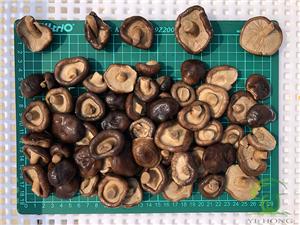
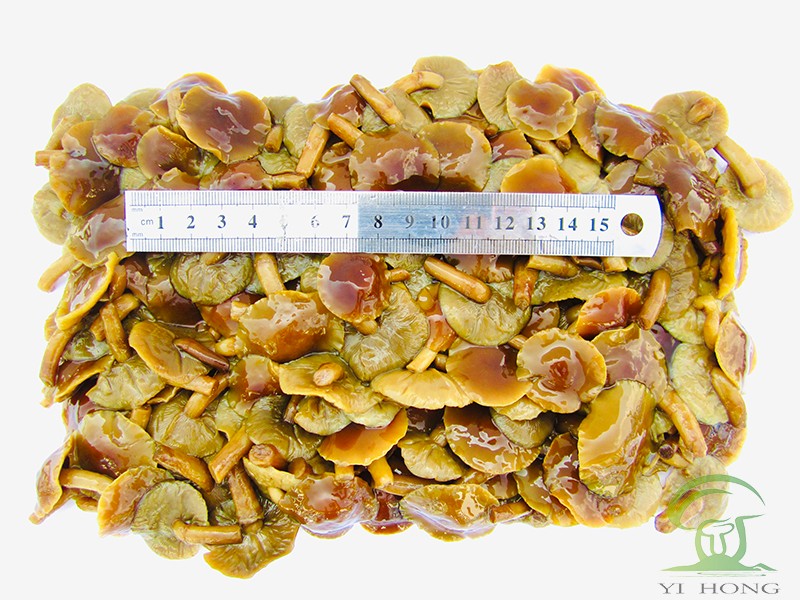
Different food applications may require different Nameko mushroom sizes. For example, a processor producing mixed mushroom products may prefer smaller and more uniform mushrooms, while another application may require larger pieces for better visual presentation.
A reliable supplier should be able to provide clear grading information and explain how the mushrooms are sorted.
Before purchasing, buyers can ask:
What size grades are available?
Is the size measured by cap diameter?
What is the acceptable size tolerance?
How consistent is the size within each grade?
Can different grades be supplied according to the application?
Clear grading information makes it easier for buyers to compare suppliers.
2. Pay Attention to Texture
Texture is another important factor when purchasing brined Nameko mushrooms.
Nameko is known for its characteristic smooth, slightly gelatinous surface and distinctive mushroom texture. Excessive processing, poor raw material selection or improper handling can negatively affect the final texture.
For food manufacturers, consistency is especially important because the mushrooms may later be used in soups, sauces, prepared foods, mushroom mixes or other processed products.
A good purchasing evaluation should therefore consider both appearance and texture rather than focusing only on the quoted price.
3. Evaluate the Brine
The condition of the brine can provide useful information about product handling.
Buyers should pay attention to factors such as:
Brine clarity
Salt concentration
Foreign matter
Mushroom condition
Odor
Product uniformity
Packaging integrity
The brine specification should be discussed with the supplier before production, especially when the product will be used as an ingredient in another food product.
4. Consider Packaging and Drained Weight
For B2B mushroom purchasing, the net weight printed on a quotation is not always enough.
Buyers should clarify:
Gross weight + packaging weight + brine weight + drained mushroom weight
Drained weight is particularly important when comparing quotations from different suppliers.
For example, two suppliers may quote similar prices per drum, but their actual drained mushroom weights may be different. Comparing the effective mushroom quantity provides a more meaningful basis for procurement decisions.
Packaging should also be suitable for transportation, warehouse storage and the buyer's subsequent processing requirements.
5. Ask About Supply Capacity
A food manufacturer may need a supplier that can provide the same product specification repeatedly.
This is particularly important for buyers who have:
Regular monthly orders
Long-term supply contracts
Multiple production facilities
Private-label products
Food processing operations
A supplier should be able to explain its production capacity, lead time, available specifications and ability to maintain consistent quality.
6. Why Buy Brined Nameko Mushrooms Instead of Fresh Mushrooms?
Fresh mushrooms can be attractive when they are immediately available, but they are more demanding from a logistics and storage perspective.
Brined mushrooms provide food manufacturers with a processed ingredient that can be transported and stored for longer periods under the supplier's specified storage conditions.
This can simplify procurement for companies that need mushroom ingredients throughout the year rather than only during a particular harvesting period.
7. What Should You Ask a Nameko Mushroom Supplier?
Before requesting a quotation, prepare a clear specification.
For example:
Product: Nameko Mushrooms In Brine
Application: Food processing / wholesale / restaurant supply
Size: Required size or grade
Packaging: Drum or other bulk packaging
Drained Weight: Required quantity per package
Order Quantity: Monthly or trial quantity
Destination: Port or delivery location
The more specific the inquiry, the easier it is for the supplier to provide an accurate quotation.
Looking for a Reliable Nameko Mushroom Supplier?
If you are sourcing Nameko Mushrooms In Brine for food manufacturing, wholesale distribution or commercial food production, YIHONG can provide different Nameko specifications for international buyers.
Our brined Nameko products are processed and packed for bulk supply, with different size grades available according to product requirements.
If you already have a target size, packaging requirement or monthly purchasing volume, send us your specifications.
Contact us for product specifications, pricing, packaging details and samples.
Tell us what you need, and our team will help you find a suitable Nameko mushroom solution.