Comparing Different Forms of Stropharia Rugosoannulata
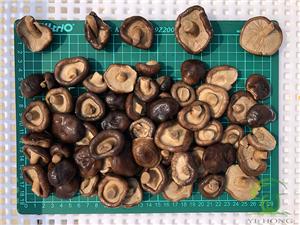
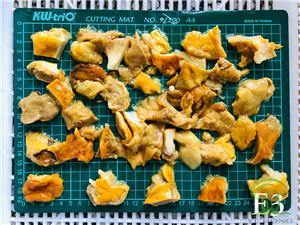
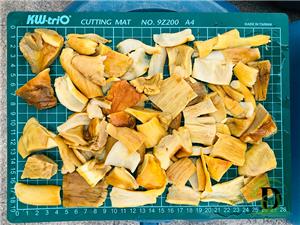
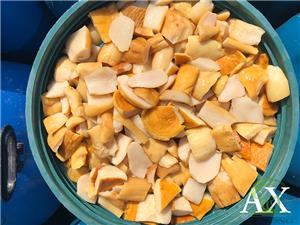
Fresh, dried, and Stropharia Rugosoannulata In Brine are the three most common forms of this mushroom, and they differ significantly in shelf stability and how well they adapt to processing. Understanding these differences helps food manufacturers pick the form that best fits their production lines.
When to Use Each Form?
From a processing standpoint, fresh mushrooms retain their original flavor but rely heavily on cold chain logistics and fast turnaround—they're best suited for short‑cycle production. Dried mushrooms are easy to store and ship, but they require rehydration before use, which adds steps and can slightly affect texture. Stropharia Rugosoannulata In Brine, on the other hand, offers a solid balance between stability and processing efficiency, giving manufacturers another practical option.
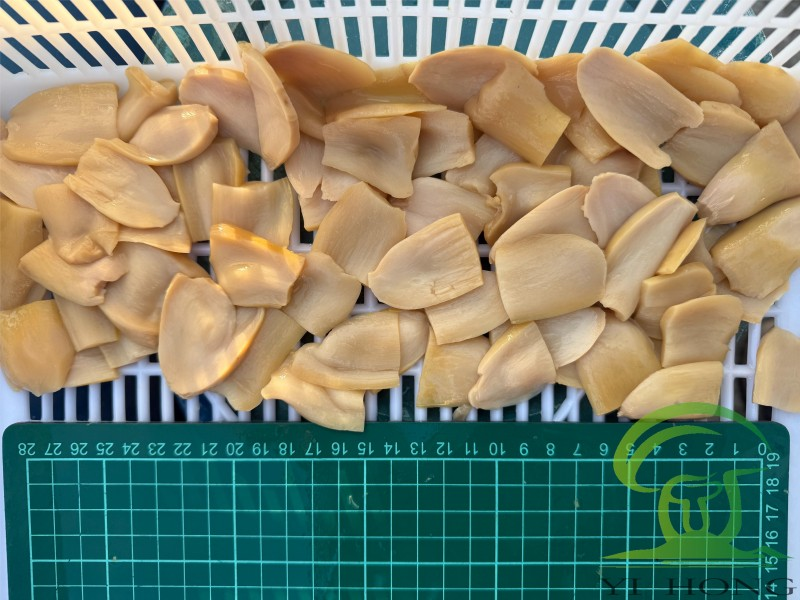
Processing Stability from the Brining Process.
From a processing standpoint, fresh mushrooms retain their original flavor but rely heavily on cold chain logistics and fast turnaround—they're best suited for short‑cycle production. Dried mushrooms are easy to store and ship, but they require rehydration before use, which adds steps and can slightly affect texture. Stropharia Rugosoannulata In Brine, on the other hand, offers a solid balance between stability and processing efficiency, giving manufacturers another practical option.
Performance Across Different Product Lines.
In canned products, Stropharia Rugosoannulata In Brine keeps its shape after sterilization, and the liquid stays clear. In sauces, the texture is uniform—diced pieces are consistent and flow smoothly through filling equipment. For frozen foods, the mushrooms stay firm after thawing without releasing excess water or turning soft. This versatility makes Stropharia Rugosoannulata In Brine a flexible ingredient that can move across different product lines.
Consistency Built In from Start to Finish.
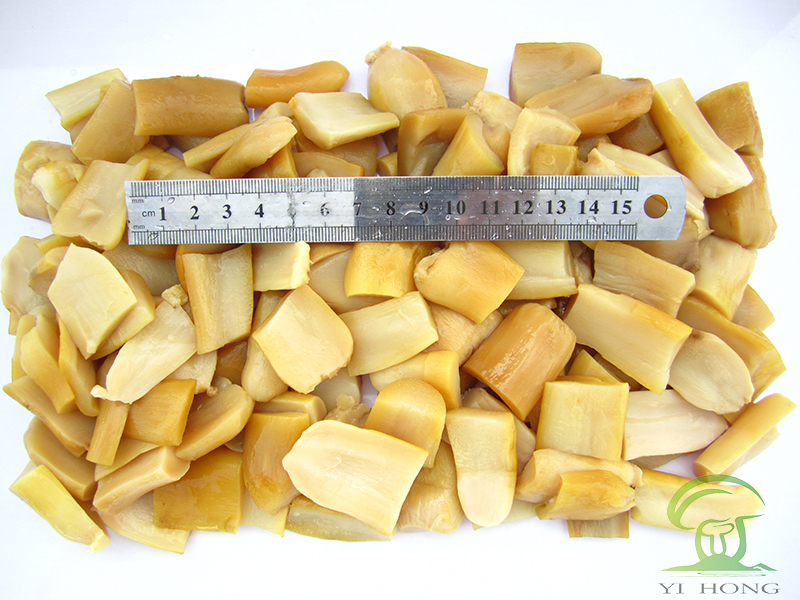
At harvest, Stropharia Rugosoannulata In Brine is hand‑sorted to avoid mechanical damage, ensuring intact caps and uniform appearance. This level of care at the source, combined with a standardized brining process, means each batch is consistent in size, texture, and flavor. Buyers don't have to constantly tweak desalting times or process settings from one batch to the next. On the supply side, we typically use manual sorting to control mushroom integrity and maintain fixed grading standards during processing, making Stropharia Rugosoannulata In Brine more consistent in both size and texture.
- Industry News
- Product News
- Company News
- Video