Bulk Brined vs. IQF vs. Canned Nameko Mushrooms: The Best ROI for Food Manufacturers
The Hidden Costs in Food Manufacturing
When it comes to Nameko mushrooms (Pholiota nameko)—a highly sought-after ingredient known for its earthy umami flavor and unique natural gelatinous coating—purchasing managers often face a critical decision: Which processing and packaging method offers the best Return on Investment (ROI)?
The three main industrial options are Bulk Brined (in plastic drums), IQF (Individually Quick Frozen), and Canned (in industrial A10 tins). While all three have their place, a deep dive into logistics, storage, processing labor, and yield reveals a clear winner for large-scale manufacturers.
In this comprehensive guide, we will break down the true costs and benefits of each method, proving why bulk brined Nameko mushrooms in drums remain the undisputed champion for industrial food processing.
Part 1: IQF (Individually Quick Frozen) Nameko – The High-Cost Premium
IQF technology involves flash-freezing individual mushrooms shortly after harvest.
The Pros:
· Near-Fresh Texture: Because the freezing process is rapid, the cellular structure of the mushroom is relatively well-preserved.
· Ready to Cook: IQF mushrooms require no desalting or washing; they can be dropped directly into heating vats.
The Hidden Costs (Why ROI Plummets):
· Astronomical Cold Chain Logistics: Shipping IQF mushrooms requires specialized Reefer (refrigerated) containers. In today’s volatile shipping market, a reefer container can cost 2 to 3 times more than a standard dry container.
· Expensive Storage Space: Once the container arrives at your factory, you must store the pallets in commercial freezers. Energy costs for sub-zero warehousing are soaring globally.
· Defrosting Risks: If the cold chain is broken even slightly, the mushrooms can suffer from freezer burn. Furthermore, rapid thawing can damage the unique mucilage (the natural thickening slime) of the Nameko, leading to a mushy final product.
Verdict for IQF: Best for ultra-premium, small-batch luxury ready meals, but financially unsustainable for high-volume, everyday food manufacturing due to massive energy and freight overheads.
Part 2: Canned Nameko (Industrial A10 Tins) – The Labor Trap
Canned Nameko mushrooms undergo thermal processing (retorting) to achieve commercial sterility, usually packed in large catering-sized tins.
The Pros:
· Ambient Storage: Like brined mushrooms, canned goods do not require cold storage.
· Zero Prep: They are fully cooked and ready to use immediately without washing.
The Hidden Costs (Why ROI Plummets):
· Texture Degradation: The intense heat required for commercial canning often overcooks the Nameko. The mushrooms can become too soft, losing their satisfying "bite" and structural integrity in commercial soup lines.
· High Packaging Waste & Freight Inefficiency: You are paying to ship metal and water. The packaging-to-product weight ratio is very poor.
· Severe Labor Bottlenecks: Imagine your factory needs 1,000 kg of Nameko for a production run. If you use canned mushrooms, your workers must manually open, drain, and dispose of hundreds of sharp, heavy metal tins. The labor cost and the risk of workplace injuries (cuts from tin lids) skyrocket. Disposal of industrial metal waste also incurs additional fees.
· Verdict for Canned: Acceptable for small restaurants or catering services, but highly inefficient and labor-intensive for large-scale industrial food lines.
Part 3: Bulk Brined Nameko in Drums – The Ultimate ROI Champion
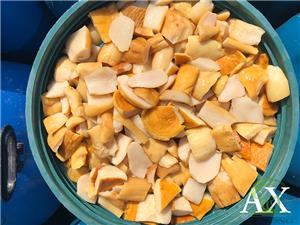
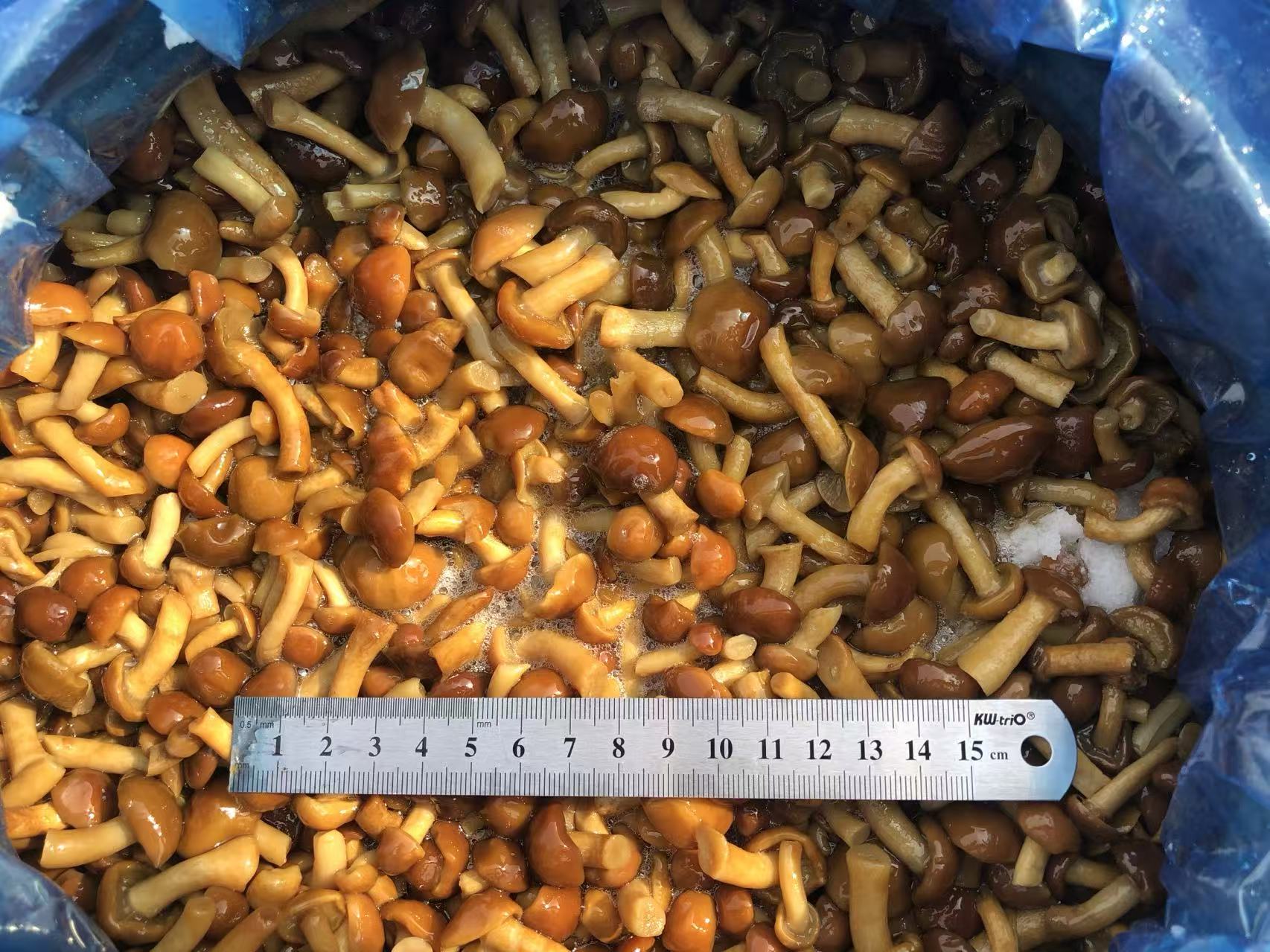
Brining is one of the oldest and most reliable preservation methods. Premium Nameko mushrooms are blanched, sorted by size (S/M/L), and submerged in a carefully calibrated saline solution (brine) inside heavy-duty, food-grade blue plastic drums.
The Pros (Why Manufacturers Choose Brined):
1. Unbeatable Logistics & Freight Savings
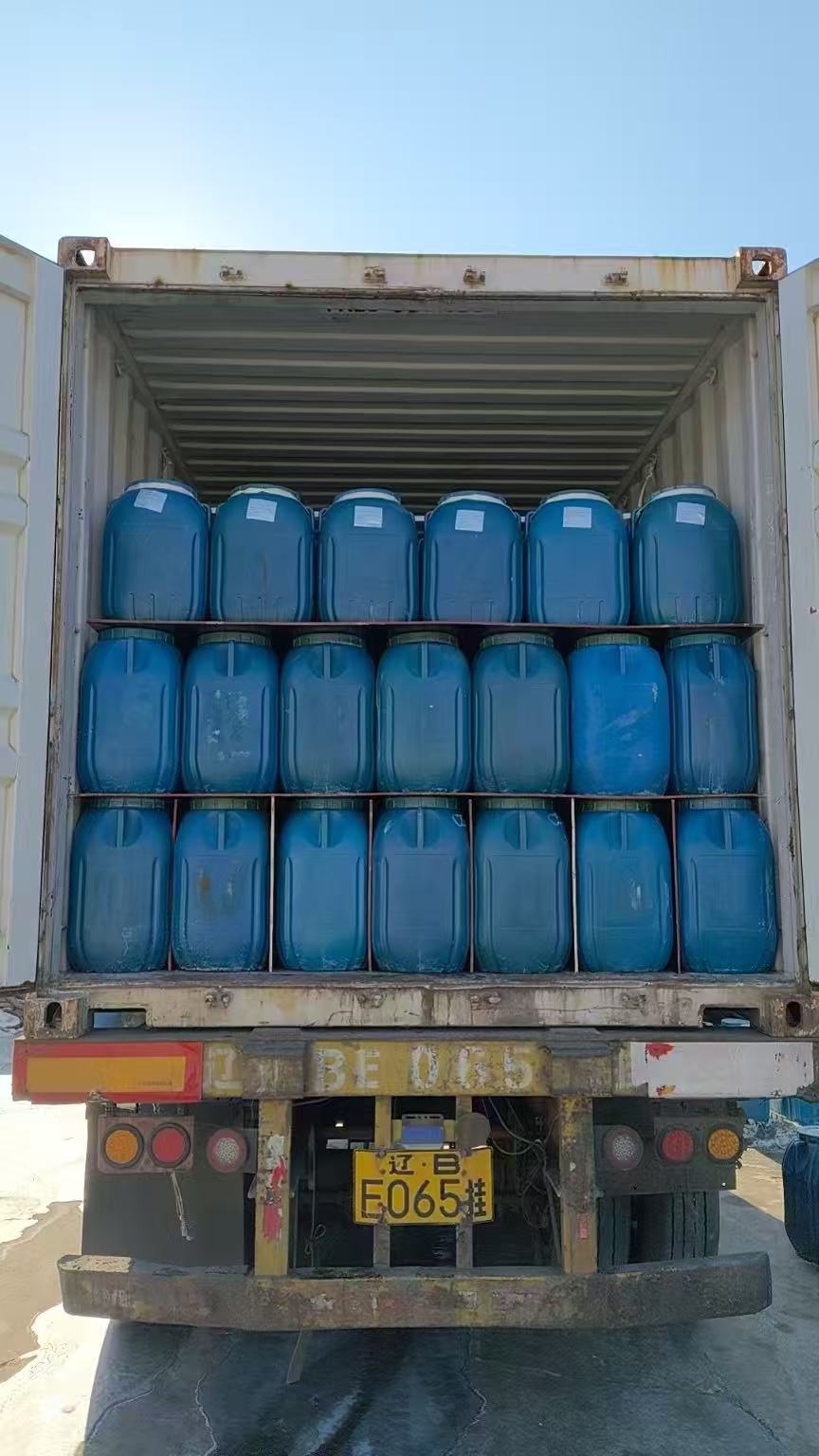
Unlike IQF, bulk brined mushrooms are shipped in standard Dry Containers (FCL). As seen in our factory loading processes, heavy-duty blue drums are stacked securely and reinforced with heavy straps and wooden bracing to ensure zero movement during ocean transit. This eliminates the need for expensive refrigerated freight, saving thousands of dollars per container.
2. Zero-Energy Ambient Storage
Once the drums arrive at your facility, they can be stored in a standard ambient warehouse. They do not require electricity to maintain their 2-year shelf life. The opaque blue plastic drums protect the mushrooms from UV light degradation, ensuring consistent color and quality.
3. Superior Texture & "Bite" Retention
The salt solution acts as a firming agent. Unlike the aggressive heat of canning or the cellular expansion of freezing, brining perfectly preserves the firm texture of the mushroom cap and stems. It also protects the Nameko's signature gelatinous coating, which is highly valued b
y soup manufacturers for naturally thickening broths.
4. Massive Labor and Processing Efficiency
To process 1,000 kg of mushrooms, a worker simply opens twenty 50kg drums using a forklift and standard tools, rather than manually cutting open hundreds of small tins. While brined mushrooms do require a desalting (washing) process before use, modern food factories with industrial washing lines can achieve this automatically at a negligible cost.
5. Honest Drained Weight
In the B2B mushroom trade, you should only pay for the mushroom, not the water. Reputable drum suppliers guarantee a strict Drained Weight (DW). For example, a standard drum holds exactly 50kg of solid mushroom material. The brine is merely a protective vessel.
The ROI Math: A Side-by-Side Comparison
Let’s look at a hypothetical annual procurement scenario for a soup manufacturer requiring 100 Metric Tons (MT) of Nameko mushrooms:
| Cost Factor | IQF Nameko | Canned Nameko (A10) | Bulk Brined (Drums) |
| High (Reefer Containers) | Medium (Standard FCL) | Low (Standard FCL) | |
| Very High (Freezers) | Low (Ambient) | Low (Ambient) | |
| Low (Bags) | Very High (Hundreds of Tins) | Low (Forklift & Drums) | |
| High | Low (Often mushy) | High (Firm & Intact) | |
| Low (Plastic bags) | High (Metal disposal fees) | Low (Recyclable/Reusable Drums) |
Conclusion of the Math: The minor cost of water usage for the desalting process of brined mushrooms is completely eclipsed by the massive savings in ocean freight, zero-energy storage, and bulk-handling labor efficiencies. Bulk brined Nameko offers up to a 30-40% better overall ROI compared to IQF or Canned alternatives for industrial buyers.
Why Choose Our Bulk Brined Nameko? (Factory Direct)
At Yihong, we specialize in the industrial supply of premium Brined Nameko Mushrooms. We understand that stable quality and secure packaging are the lifelines of your production.
· Strict Sizing (S/M/L): Machine-sorted and hand-inspected to ensure uniformity, reducing waste in your production line.
· Secure Container Loading: Our signature container loading process utilizes robust strapping and wooden bracing. Your blue drums will arrive at your destination port in pristine condition, with zero leaks or damages.
· Guaranteed Drained Weight: We stand by our 100% accurate drained weight promise. You get exactly the solid volume you pay for, backed by full Certificate of Analysis (COA) documentation.
· Export Ready: We provide all necessary customs clearance documents, including Phytosanitary Certificates and Certificates of Origin.
Stop paying for cold chains and metal cans. Optimize your food manufacturing costs today.
Request a Free FCL Quote & Specification Sheet Today
Please fill out the form below with your required volume and port of destination, and our B2B sales team will provide a tailored CIF/FOB quote within 24 hours.
Request A Quote