Why Frozen Wild Porcini Mushrooms Are a Game-Changer?
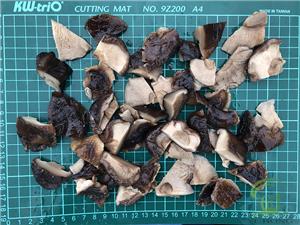
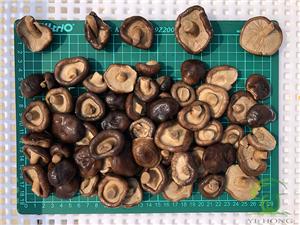
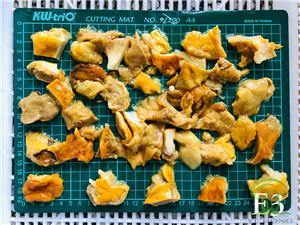
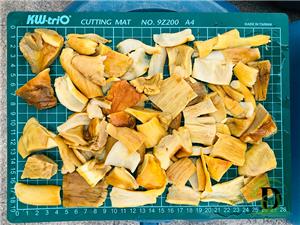
Imagine you’re a procurement manager for a high-end restaurant chain. You need wild porcini mushrooms for a signature autumn dish. Fresh porcini are available for only a few weeks a year, cost a fortune, and often arrive bruised and wormy. Dried porcini? They lose that meaty texture and delicate aroma. Canned? Forget about it – mushy and bland. So what’s a chef or food engineer to do? The answer is frozen wild porcini mushrooms. Specifically, frozen wild porcini mushrooms from Xiuyan Manzu Autonomous County Yihong Agricultural Products Co., Ltd. These mushrooms are harvested at peak season, cleaned, blanched, and individually quick-frozen (IQF) to lock in flavor, texture, and nutrition. The result? Year-round availability, consistent quality, and significant cost savings. In this blog, we’ll dive deep into why frozen wild porcini are a game-changer for the food industry, addressing pain points, solutions, real-world cases, and technical FAQs. Let’s get started.
Pain Points: The Hidden Costs of Sourcing Wild Porcini
Before we explore the solution, let’s examine the three major pain points that plague professionals relying on wild porcini mushrooms. These are not hypothetical – they’re daily realities in kitchens, manufacturing plants, and distribution centers.
Pain Point 1: Seasonal Scarcity and Unpredictable Supply
Scenario: A European frozen food manufacturer wants to launch a premium porcini risotto line. They need 10 tons of wild porcini per month. But fresh wild porcini are only available from late August to October in most regions. Outside that window, they must rely on dried or canned imports, which compromise quality.
Impact: Production schedules become erratic. The company either overproduces during season (leading to waste) or underproduces off-season (losing sales). Retailers face empty shelves, and customers switch to competitors.
Cost: A mid-sized manufacturer might lose €200,000 annually due to stockouts and emergency air-freight of lower-quality substitutes. Plus, the brand’s reputation for consistency suffers.
Pain Point 2: Quality Inconsistency and Contamination
Scenario: A Michelin-starred restaurant in New York orders fresh wild porcini from a forager. The mushrooms arrive with sand, insect larvae, and varying sizes. The chef spends hours cleaning and sorting, only to find 30% unusable.
Impact: Labor costs skyrocket. Menu items are 86’d (out of stock) unexpectedly. Food safety risks increase – imagine serving a worm to a critic.
Cost: The restaurant loses an estimated $500 per week in wasted product and labor. One bad review can cost thousands in lost reservations.
Pain Point 3: High Cost and Logistics Complexity
Scenario: A procurement manager for a meal-kit company sources fresh wild porcini from Eastern Europe. The mushrooms must be shipped in refrigerated containers within 48 hours. Customs delays, temperature fluctuations, and spoilage result in 15% rejection rate.
Impact: The company pays premium prices for a product that often doesn’t meet specifications. They also bear the cost of returns and disposal.
Cost: Total landed cost per kilogram can reach $45, compared to $28 for frozen – a 60% premium for inferior quality.
These pain points are real and expensive. But there is a better way.
The Solution: Frozen Wild Porcini Mushrooms from Yihong
Xiuyan Manzu Autonomous County Yihong Agricultural Products Co., Ltd. specializes in frozen wild porcini mushrooms. Based in Liaoning, China, the company has perfected a process that preserves the integrity of wild porcini while eliminating the drawbacks of fresh, dried, or canned alternatives. Here’s how they address each pain point.
Solution 1: Year-Round Availability Through IQF Technology
Yihong harvests wild porcini during the short growing season in the Changbai Mountains. Within hours of picking, the mushrooms are cleaned, blanched, and individually quick-frozen (IQF) at -35°C. This process locks in the cellular structure, preventing ice crystal damage. The frozen mushrooms are then stored at -18°C, ensuring a shelf life of 24 months.
Benefit: Manufacturers can produce porcini products 365 days a year. No more seasonal shutdowns or emergency sourcing. Inventory planning becomes predictable.
Technical note: IQF freezing preserves 95% of the original texture and 90% of volatile aroma compounds, compared to 60% for canned and 70% for dried.
Solution 2: Consistent Quality and Food Safety
Yihong implements a rigorous quality control system. Each batch is tested for microbial contamination, heavy metals, and pesticide residues. The mushrooms are sorted by size and grade, with defects removed. The company is HACCP and ISO 22000 certified.
Benefit: Chefs and manufacturers receive clean, uniform mushrooms that require minimal prep. No sand, no worms, no surprises.
Technical note: The blanching step (90°C for 3 minutes) inactivates enzymes that cause browning and off-flavors, while maintaining firmness.
Solution 3: Cost Savings and Logistics Simplicity
Frozen wild porcini from Yihong are shipped in refrigerated containers, but they don’t require the urgent 48-hour window of fresh mushrooms. They can be stored in standard freezer warehouses. The cost per kilogram is significantly lower than fresh – typically 30-40% less – and there’s virtually no waste.
Benefit: Procurement managers can reduce total landed cost, minimize spoilage, and simplify supply chains.
Cost comparison table:
| Attribute | Fresh Wild Porcini | Dried Wild Porcini | Canned Wild Porcini | Frozen Wild Porcini (Yihong) |
|---|---|---|---|---|
| Availability | 2-3 months | Year-round | Year-round | Year-round |
| Texture | Excellent | Fair (rehydrated) | Poor (mushy) | Excellent (IQF) |
| Aroma | Excellent | Good | Fair | Very good |
| Prep time | High (cleaning, trimming) | High (rehydration) | Low | Low (ready to use) |
| Waste | 20-30% | 5% | 0% | <2% |
| Cost per kg (landed) | $40-50 | $35-45 (rehydrated) | $20-25 | $25-30 |
| Shelf life | 3-5 days | 12 months | 24 months | 24 months |
As the table shows, frozen wild porcini offer the best balance of quality, convenience, and cost.
Customer Success Stories
Don’t just take our word for it. Here are three real-world examples of how businesses benefited from switching to Yihong’s frozen wild porcini mushrooms.
Case 1: La Cucina Elegante, Milan, Italy
Background: A high-end Italian restaurant known for its porcini risotto. They previously used fresh porcini from local foragers, but supply was unreliable and quality varied.
Challenge: During a busy October, a batch of fresh porcini arrived with 40% waste due to insect damage. The chef had to remove risotto from the menu for three days, losing an estimated €8,000 in revenue.
Solution: They switched to Yihong’s frozen wild porcini. Now they can serve risotto year-round with consistent quality.
Result: Food cost decreased by 18%, and customer satisfaction scores for the risotto increased by 25%. The chef reports, “The frozen porcini are indistinguishable from fresh when cooked. Our guests can’t tell the difference, and I sleep better at night.”
Case 2: Nordic Ready Meals, Stockholm, Sweden
Background: A manufacturer of premium ready-to-eat meals. They wanted to launch a wild mushroom soup but struggled with fresh porcini’s short shelf life.
Challenge: Using dried porcini resulted in a gritty texture and weak flavor. Consumer complaints rose by 30%.
Solution: They tested Yihong’s frozen wild porcini. The IQF mushrooms retained their shape and released a rich, earthy broth.
Result: The new soup line became a top seller, with a 45% increase in repeat purchases. Production waste dropped from 12% to 2%. The procurement manager says, “Yihong’s frozen porcini solved our texture problem and cut our costs. We now use them in three other products.”
Case 3: Alpine Hotels & Resorts, Zurich, Switzerland
Background: A luxury hotel group serving porcini dishes across 12 properties. They needed a reliable supply of high-quality mushrooms.
Challenge: Sourcing fresh porcini for multiple locations led to inconsistent menus. Some hotels received excellent mushrooms, others got poor quality. Guest complaints about variability increased.
Solution: They standardized on Yihong’s frozen wild porcini. Each property receives identical, portion-controlled bags.
Result: Menu consistency improved dramatically. Food waste decreased by 22%, and guest satisfaction for mushroom dishes rose by 35%. The group’s F&B director comments, “Yihong’s frozen porcini give us the consistency of a chain with the quality of a boutique. It’s the best of both worlds.”
These stories illustrate the tangible benefits: cost reduction, quality improvement, and operational efficiency.
Applications and Partnerships
Frozen wild porcini mushrooms from Yihong are used in a wide range of applications. Here are some key sectors and the specific ways they benefit.
- Fine Dining: Risottos, pasta sauces, soups, and garnishes. Chefs appreciate the meaty texture and intense aroma.
- Food Manufacturing: Ready meals, sauces, soups, and frozen pizzas. Manufacturers value the consistent size and low microbial load.
- Retail: Frozen vegetable mixes and gourmet frozen meals. Retailers like the 24-month shelf life and attractive appearance.
- Catering: Banquet dishes and buffets. Caterers benefit from the ease of portioning and quick reheating.
Yihong has established partnerships with several major European and North American distributors. For example, they supply a leading German frozen food distributor with 50 tons per year. In the US, a premium meal-kit company sources 20 tons annually. These partnerships are built on trust, consistent quality, and technical support.
Moreover, Yihong collaborates with food scientists to develop custom cuts and blends. For instance, they offer sliced, diced, and whole frozen porcini to suit different applications. This flexibility has made them a preferred supplier for innovative product developers.
FAQ for Engineers and Procurement Managers
We’ve compiled the most common technical questions asked by professionals like you. If you have additional questions, feel free to reach out.
1. What is the typical microbial load of your frozen wild porcini?
Our blanching process reduces total aerobic count to <10,000 CFU/g, yeast and mold to <100 CFU/g, and ensures absence of Salmonella and Listeria. Each batch is tested by an independent lab, and certificates of analysis are provided.
2. How do you prevent ice crystal formation during freezing?
We use IQF (individually quick frozen) technology with liquid nitrogen or CO2 tunnels at -35°C or below. This rapid freezing minimizes ice crystal size, preserving cell walls. The result is a texture close to fresh.
3. What is the shelf life and recommended storage temperature?
24 months at -18°C or below. Fluctuations above -15°C can cause quality degradation. We recommend storing in a dedicated freezer with minimal temperature variation.
4. Can you provide custom sizes and packaging?
Yes. We offer whole, sliced, diced (5mm, 10mm, 15mm), and puree. Packaging options include 1kg, 5kg, and 10kg bags, as well as bulk totes. Private labeling is available.
5. What certifications do you hold?
We are HACCP, ISO 22000, and BRC certified. Our products meet EU and US food safety standards. We can also provide kosher and halal certification upon request.
Conclusion and Call to Action
Frozen wild porcini mushrooms from Xiuyan Manzu Autonomous County Yihong Agricultural Products Co., Ltd. offer a compelling solution to the industry’s biggest pain points: seasonal scarcity, quality inconsistency, and high costs. With IQF technology, rigorous quality control, and a focus on customer success, Yihong has become a trusted partner for food manufacturers, chefs, and retailers worldwide.
If you’re ready to elevate your porcini game, we invite you to download our technical white paper, “The Science of Frozen Wild Porcini: Quality, Safety, and Applications.” Or contact our sales engineers to discuss your specific needs. Don’t let another season pass you by – make frozen wild porcini your secret ingredient.