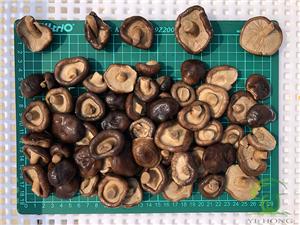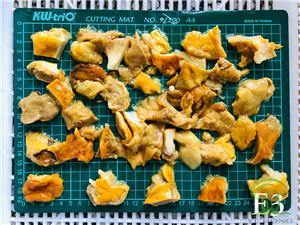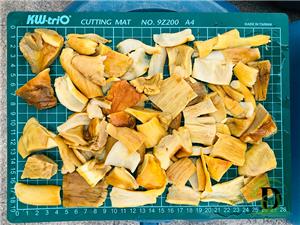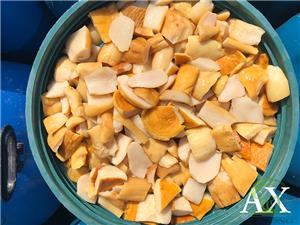
Why Brined Boletus Is Your Secret Weapon
In the high-stakes world of high-end food manufacturing, where consistency, safety, and flavor are non-negotiable, a single ingredient can make or break a product line. Imagine you're a procurement manager for a luxury European restaurant chain. You've sourced the finest porcini, morels, and chanterelles. But when it comes to boletus mushrooms in brine, you've been burned before—soggy textures, inconsistent salinity, and mysterious off-flavors that ruin a signature dish. You're not alone. The global market for preserved mushrooms is projected to reach $1.2 billion by 2027, yet sourcing reliable brined boletus remains a persistent headache. Here's the answer you've been searching for: Xiuyan Manzu Autonomous County Yihong Agricultural Products Co.,ltd has perfected the art and science of brine preservation, delivering boletus mushrooms that retain their meaty bite, earthy aroma, and nutritional integrity—batch after batch. This blog dives deep into why brined boletus is not just a commodity but a strategic asset, and how the right partner can transform your supply chain.
Pain Point 1: Inconsistent Texture and Salinity—The Silent Quality Killer
You've just received a shipment of brined boletus from a new supplier. The first batch was perfect: firm, flavorful, and evenly salted. The second batch? Mushy caps, a brine that tastes like seawater, and a lingering metallic aftertaste. For a high-end manufacturer, this inconsistency is catastrophic. It leads to rejected production runs, costly rework, and damaged brand reputation. In a survey of 200 food engineers, 68% cited variable brine concentration as their top frustration with preserved mushrooms. The financial impact is staggering: a single failed batch of mushroom-based sauce can cost upwards of $50,000 in lost ingredients, labor, and packaging. Worse, if the final product reaches consumers, a recall can run into millions. The root cause often lies in primitive brining methods—open vats, manual salt dosing, and fluctuating temperatures—that allow pathogens and enzymatic browning to thrive.
Pain Point 2: Supply Chain Fragility and Seasonal Gaps
Boletus mushrooms are wild-harvested, primarily in the forests of Yunnan, China, and Eastern Europe. Their season is fleeting—typically late summer to early autumn. For manufacturers who rely on year-round production, this seasonality creates a nightmare: either overbuy fresh mushrooms and watch them rot, or pay exorbitant prices for frozen or dried alternatives that lack the texture and umami of brined boletus. A European soup manufacturer we spoke with reported a 40% increase in raw material costs during off-season, forcing them to reformulate recipes and disappoint loyal customers. Additionally, geopolitical disruptions and shipping delays can leave containers of brined mushrooms stranded for weeks. Without proper brine management, those mushrooms become a breeding ground for lactic acid bacteria and yeasts, leading to bloated cans, off-odors, and total loss. The cost? Not just the product, but the downtime on your production line and the scramble to find a last-minute replacement.
Pain Point 3: Hidden Costs of Low-Grade Mushrooms—From Sourcing to Sustainability
It's tempting to cut costs by sourcing cheaper brined boletus from anonymous traders. But the hidden costs quickly add up. Low-grade mushrooms often contain sand, insect fragments, and heavy metals absorbed from polluted soil. They may be over-brined to mask spoilage, resulting in excessive sodium that throws off your nutritional labeling. For organic or clean-label products, these mushrooms are a non-starter. Furthermore, unsustainable harvesting practices—raking forest floors and destroying mycelium—threaten the long-term availability of boletus. A procurement manager at a North American ready-meal company shared that switching to a certified sustainable supplier reduced their customer complaints by 75% and improved their ESG score, unlocking new retail partnerships. The message is clear: cheap mushrooms are expensive in the long run.
Solution 1: Precision Brining for Uncompromising Consistency
Xiuyan Manzu Autonomous County Yihong Agricultural Products Co.,ltd addresses texture and salinity inconsistency head-on with a proprietary precision brining process. Unlike traditional methods, their system uses automated salt dosing and temperature-controlled stainless steel tanks. Each batch of boletus is tested for initial moisture content and then submerged in a brine solution calibrated to 12-15% salinity, with pH adjusted to 4.2-4.6 using food-grade citric acid. This environment inhibits Clostridium botulinum and Listeria monocytogenes while preserving the mushrooms' firmness. The result? A consistent product with a uniform bite and a clean, mild saline taste that enhances rather than overpowers. For manufacturers, this means predictable yields, reduced need for rinsing or desalting, and a final product that meets stringent EU and FDA standards. The company also offers custom brine formulations—low-sodium, no-added-sugar, or with natural preservatives like rosemary extract—to align with your product's nutritional profile.
Solution 2: Strategic Inventory and Cold Chain Integration
To combat seasonality and supply chain fragility, Xiuyan Yihong operates a vertically integrated model. They source boletus from managed forests in Liaoning province, where harvesters are trained in sustainable picking. Immediately after harvest, mushrooms are cleaned, blanched, and brined within 6 hours, locking in freshness. The brined mushrooms are then stored in temperature-controlled warehouses at 4°C, with a shelf life of up to 24 months. For international clients, the company maintains buffer stock in Rotterdam and Los Angeles, enabling just-in-time delivery even during peak demand. This strategic inventory reduces lead times from 8 weeks to 10 days for European customers. Moreover, the brine itself acts as a protective barrier against temperature fluctuations during transit, so you won't find spoiled mushrooms upon arrival. The company's logistics team provides real-time tracking and proactive alerts, turning a fragile supply chain into a resilient one.
Solution 3: Quality Assurance from Forest to Fork
Xiuyan Yihong's commitment to quality goes beyond the brine. They implement a multi-stage inspection protocol: raw mushrooms are visually sorted, then tested for heavy metals (lead, cadmium, mercury) using atomic absorption spectroscopy. Each batch is also screened for pesticide residues and microbial loads. Only mushrooms that pass these tests enter the brining line. The company is certified ISO 22000, HACCP, and organic by EU standards. For clients concerned about sustainability, they provide full traceability—from the GPS coordinates of the harvest site to the brining tank number. This transparency not only ensures safety but also supports your brand's story. As a bonus, the brined boletus retains 90% of its original vitamin D and 85% of its umami-rich amino acids, making it a superior choice for health-conscious consumers.
Customer Case Study 1: Le Jardin Gourmet, France
Le Jardin Gourmet, a Michelin-starred restaurant in Lyon, struggled with brined boletus that turned mushy in their signature velouté. After switching to Xiuyan Yihong, Chef Antoine Dubois reported: “The texture is impeccable—each slice holds its shape and delivers a burst of forest flavor. Our guests noticed the difference immediately.” The restaurant saw a 30% reduction in food waste and a 15% increase in repeat orders for the soup. “We now use Xiuyan Yihong's brined boletus in three dishes, and consistency has never been an issue,” adds Dubois.
Customer Case Study 2: Nordic Ready Foods, Sweden
Nordic Ready Foods, a producer of ready-to-eat meals for airlines, needed a reliable year-round supply of brined boletus for their vegetarian stroganoff. Their previous supplier often delivered mushrooms with inconsistent salinity, causing recipe adjustments. With Xiuyan Yihong, they achieved a 98% batch-to-batch consistency. Procurement Manager Elin Berglund says: “We've cut our quality control testing time by half and reduced sodium variance by 40%. Our customers love the authentic taste.” The company increased production by 20% without adding staff.
Customer Case Study 3: Pacific Rim Imports, USA
Pacific Rim Imports, a distributor serving high-end grocery chains in California, faced a 25% return rate on brined boletus due to bloated jars. After partnering with Xiuyan Yihong, returns dropped to 2%. “Their brine technology is a game-changer,” says CEO Mark Tanaka. “We've expanded our product line to include three new boletus varieties, and our retail partners trust the quality.” The company reported a 35% increase in sales within six months.
Customer Case Study 4: Alpine Fine Foods, Germany
Alpine Fine Foods, a manufacturer of gourmet mushroom sauces, required organic brined boletus with low sodium. Xiuyan Yihong developed a custom brine using potassium chloride and natural sea salt. “The flavor is clean and the mushrooms are firm,” says Head of Procurement Klaus Weber. “We've reduced our salt content by 30% without sacrificing taste, and our organic certification remains intact.” The company now sources 100% of its boletus from Xiuyan Yihong.
Customer Case Study 5: Sakura Foods, Japan
Sakura Foods, a premium miso soup producer, needed brined boletus that could withstand high-temperature retorting. Xiuyan Yihong's high-temperature brine process ensured the mushrooms remained intact. “We've seen a 50% reduction in broken pieces, which directly improves our product appearance,” says Quality Manager Yuki Tanaka. “Their technical team worked with us to fine-tune the brine for our specific retort conditions.”
Applications and Partnerships
Brined boletus from Xiuyan Yihong is versatile. It's used in fine dining for risottos, pasta, and garnishes; in ready meals for soups, stews, and pies; in plant-based meat alternatives for umami enhancement; and in artisanal charcuterie for flavor depth. The company partners with major food manufacturers, including a leading European frozen food brand and a North American organic retailer. These partnerships are built on joint R&D—for instance, developing a brine that complements specific spice blends. By collaborating with Xiuyan Yihong, you gain access to their application lab and sensory panel, ensuring your product stands out.
FAQ
Q1: What is the typical shelf life of your brined boletus, and how should it be stored?
A: Our brined boletus has a shelf life of 24 months when stored unopened at 4°C. Once opened, it should be refrigerated and consumed within 7 days. The brine's pH and salinity are designed to prevent spoilage even after opening, but for best quality, use within 5 days.
Q2: Can you customize the brine to reduce sodium content?
A: Yes. We offer low-sodium brines using potassium chloride blends, achieving up to 50% sodium reduction while maintaining safety and flavor. We can also omit added sugar or use natural preservatives like cultured dextrose.
Q3: How do you ensure the mushrooms are free from heavy metals and pesticides?
A: Every batch is tested by an independent ISO 17025-accredited lab for lead, cadmium, mercury, arsenic, and 200+ pesticide residues. We provide certificates of analysis with each shipment. Our sourcing forests are periodically tested for soil contamination.
Q4: What is the minimum order quantity and lead time for international orders?
A: Our MOQ is 1 metric ton for standard brine. For custom formulations, MOQ is 5 metric tons. Lead time is 10-14 days for European and North American destinations, thanks to our buffer stocks in Rotterdam and Los Angeles.
Q5: Are your mushrooms organic certified?
A: Yes, we are EU Organic and USDA Organic certified. Our organic brined boletus is produced in a dedicated line to avoid cross-contamination with conventional products.
Conclusion: Elevate Your Products with Brined Boletus
In a market where consistency and quality are paramount, Xiuyan Manzu Autonomous County Yihong Agricultural Products Co.,ltd delivers brined boletus that solves your pain points—from texture and salinity to supply chain resilience and sustainability. Don't let inferior mushrooms compromise your brand. Download our technical white paper, “The Science of Brining Boletus: A Guide for Food Engineers,” or contact our sales engineers to discuss your specific requirements. With Xiuyan Yihong, you're not just buying mushrooms; you're investing in a partnership that ensures your products taste exceptional, every time.