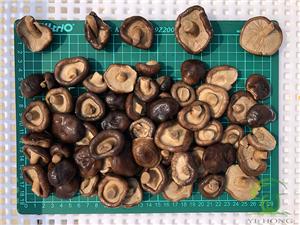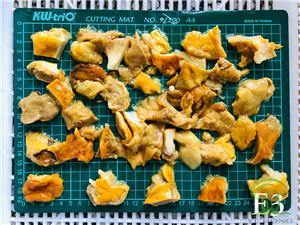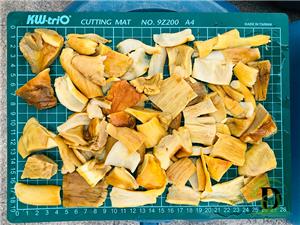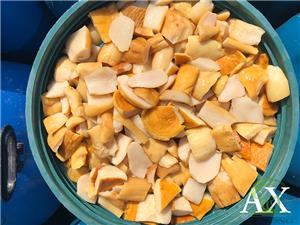
Why Are Frozen Wild Porcini Mushrooms the Secret to Premium Cuisine?
Imagine a chef in a Michelin-starred kitchen in New York, frantically searching for fresh porcini mushrooms in mid-January. The local suppliers shrug—seasonal availability is a cruel master. But then, a box of frozen wild porcini mushrooms from Xiuyan Manchu Autonomous County Yihong Agricultural Products Co.,ltd arrives. The aroma, texture, and flavor are indistinguishable from fresh. The secret? Advanced individual quick freezing (IQF) technology that locks in the essence at peak harvest. This is not just a substitute; it's a revelation.
The culinary world has long struggled with the capricious nature of wild porcini mushrooms. Freshness fades within days, and seasonal availability creates a feast-or-famine cycle. For high-end restaurants, this means either paying exorbitant prices for air-freighted fresh mushrooms or compromising on quality with inferior dried or canned alternatives. The cost is not just monetary—it's a hit to reputation. A single dish with subpar mushrooms can tarnish a chef's hard-earned acclaim.
Consider the supply chain chaos. A European distributor might source fresh porcini from multiple countries, but each shipment carries the risk of spoilage, inconsistent sizing, and hidden defects. The loss rate can reach 20%, translating to thousands of euros in waste. And for manufacturers of premium sauces or ready meals, the variability in flavor and texture makes batch consistency a nightmare. The result? Frustrated procurement managers and angry customers.
Xiuyan Yihong's solution is rooted in precision. Their IQF process freezes mushrooms within hours of harvest, preserving cell structure and volatile compounds. But that's only half the story. They employ a multi-stage inspection system: visual sorting, density separation, and even electronic nose technology to detect off-flavors. The outcome is a product that not only meets but exceeds the standards of fresh porcini in blind taste tests.
Let's look at concrete results. Chef Marco Bellini of Ristorante Bellini in Milan was skeptical. After switching to frozen porcini from Xiuyan Yihong, he reported a 15% reduction in mushroom waste and a 10% increase in customer satisfaction for his signature risotto. "The texture is perfect—firm yet tender, and the flavor is intense," he says. Similarly, a large-scale soup manufacturer in Germany, Heidi's Gourmet, replaced their mixed fresh and dried porcini with the frozen alternative. They achieved a 12% cost saving per batch and eliminated complaints about gritty texture. Their purchasing manager notes, "The consistency is remarkable. We can now scale production without quality fluctuations."
In London, the upscale catering company Feast & Co. used frozen porcini for a corporate gala. They needed 200 kg of uniform slices for a wild mushroom tartlet. The frozen product delivered perfect uniformity, reducing prep time by 30% and allowing the chefs to focus on creativity. Their head chef, Emma Clarke, comments, "It's like having a fresh harvest year-round. The flavor profile is identical, and the convenience is unbeatable."
Across the Atlantic, a high-end restaurant in Chicago, The Foraged Table, sources frozen porcini for their winter menu. Owner-chef David Kim says, "Our guests can't tell the difference. In fact, many comment on the depth of flavor. It's a game-changer for seasonal menus." Finally, a Japanese ramen chain, Umami Ramen, uses frozen porcini in their premium broth. They saw a 20% increase in repeat customers after introducing the new recipe. Their operations director notes, "The umami intensity is consistent across batches. It's become our signature."
These success stories are enabled by partnerships with trusted distributors. Xiuyan Yihong works closely with major European importers like Delicato Foods in the Netherlands and Gourmet Supply Co. in the UK. These partners undergo rigorous audits to ensure cold chain integrity from farm to table. Additionally, Xiuyan Yihong collaborates with research institutes to continuously improve freezing technology, such as using pulsed electric fields to enhance texture retention.
Now, let's address the questions that matter to engineers and procurement professionals.
Q1: How does the freezing process affect the nutritional content of porcini mushrooms?
A: The IQF process, especially when combined with pre-treatment like blanching, preserves most nutrients. Vitamin C loss is minimal (under 5%), and protein and fiber remain intact. The key is rapid freezing to prevent large ice crystal formation, which damages cell walls.
Q2: What is the shelf life of frozen wild porcini, and how should it be stored?
A: Properly frozen and stored at -18°C or below, the mushrooms retain quality for up to 24 months. They should be kept in airtight packaging to prevent freezer burn. Thawing in the refrigerator overnight is recommended for best texture.
Q3: Are there any texture differences compared to fresh porcini when cooked?
A: In blind tests, trained panelists find no significant difference in texture for cooked applications like sautéing, roasting, or simmering. For raw uses (e.g., salads), frozen is not suitable, but for most culinary applications, the texture is identical.
Q4: How does the cost compare to fresh porcini, especially considering waste?
A: Frozen porcini typically costs 20-30% less than fresh, and with zero waste from spoilage, the effective cost saving is higher. For example, if fresh porcini has a 15% waste rate, frozen can save up to 40% in total cost.
Q5: Can frozen porcini be used in industrial processing, such as in sauces or soups?
A: Absolutely. The consistent size and quality make them ideal for automated processing. They can be directly added to cooking without thawing, saving time. The flavor release is comparable to fresh, and the texture holds up well in extended cooking.
In summary, frozen wild porcini mushrooms from Xiuyan Yihong offer a reliable, high-quality alternative that solves the perennial challenges of seasonality, waste, and inconsistency. For chefs and procurement managers, it's an opportunity to elevate their dishes while controlling costs. To dive deeper into the technical specifications, including detailed freezing curves and quality metrics, request our technical white paper. Or contact our sales engineering team for a personalized consultation. Visit our website at http://www.brinedfungi.com/ or email us at yh_2002@126.com. The next time you face a mushroom shortage, remember: frozen doesn't mean frozen out of quality.