The Ultimate Guide to Sourcing Premium Bottled Salted Mushrooms: A Masterclass for Global Food Buyers (1)
In the fast-paced world of food manufacturing, retail, and high-end hospitality, the quality of your ingredients is the silent ambassador of your brand. Among the diverse pantry of preserved vegetables, bottled salted mushrooms (often referred to as mushrooms in brine) stand out as a versatile, shelf-stable, and flavor-dense powerhouse.
Whether you are a procurement officer for a national supermarket chain, a product developer for ready-made meals, or a distributor for the HoReCa (Hotel, Restaurant, and Café) sector, understanding the nuances of the salted mushroom market is critical. This guide explores everything from species selection and preservation science to global supply chain logistics, helping you make informed purchasing decisions that drive profitability and customer satisfaction.
1. The Resurgence of Preserved Fungi: Why Salted Mushrooms?
While fresh mushrooms have their charm, they are notoriously fragile, with a shelf life measured in days. For the industrial buyer, bottled salted mushrooms offer a strategic advantage.
Year-Round Availability:
Mushrooms are seasonal. Salted preservation allows buyers to lock in inventory during peak harvests—like the wild mushroom seasons in Northeast China or Eastern Europe—and maintain supply throughout the year.
Flavor Enhancement:
The brining process doesn't just preserve; it matures. Salt acts as a catalyst that breaks down tough cell walls, making the mushroom’s natural umami more accessible.
Operational Efficiency:
For commercial kitchens, salted mushrooms are "ready-to-use." They are pre-cleaned, sliced or graded, and require no prep time, significantly reducing labor costs.
2. Species Spotlight: Selecting the Right Profile
Not all mushrooms are created equal. The "best" mushroom depends entirely on the end application. Here are the primary varieties dominating the salted and bottled market:
Shiitake (Lentinula edodes)
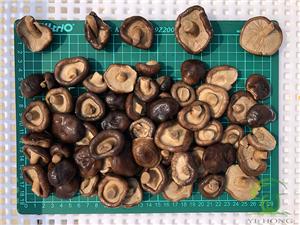
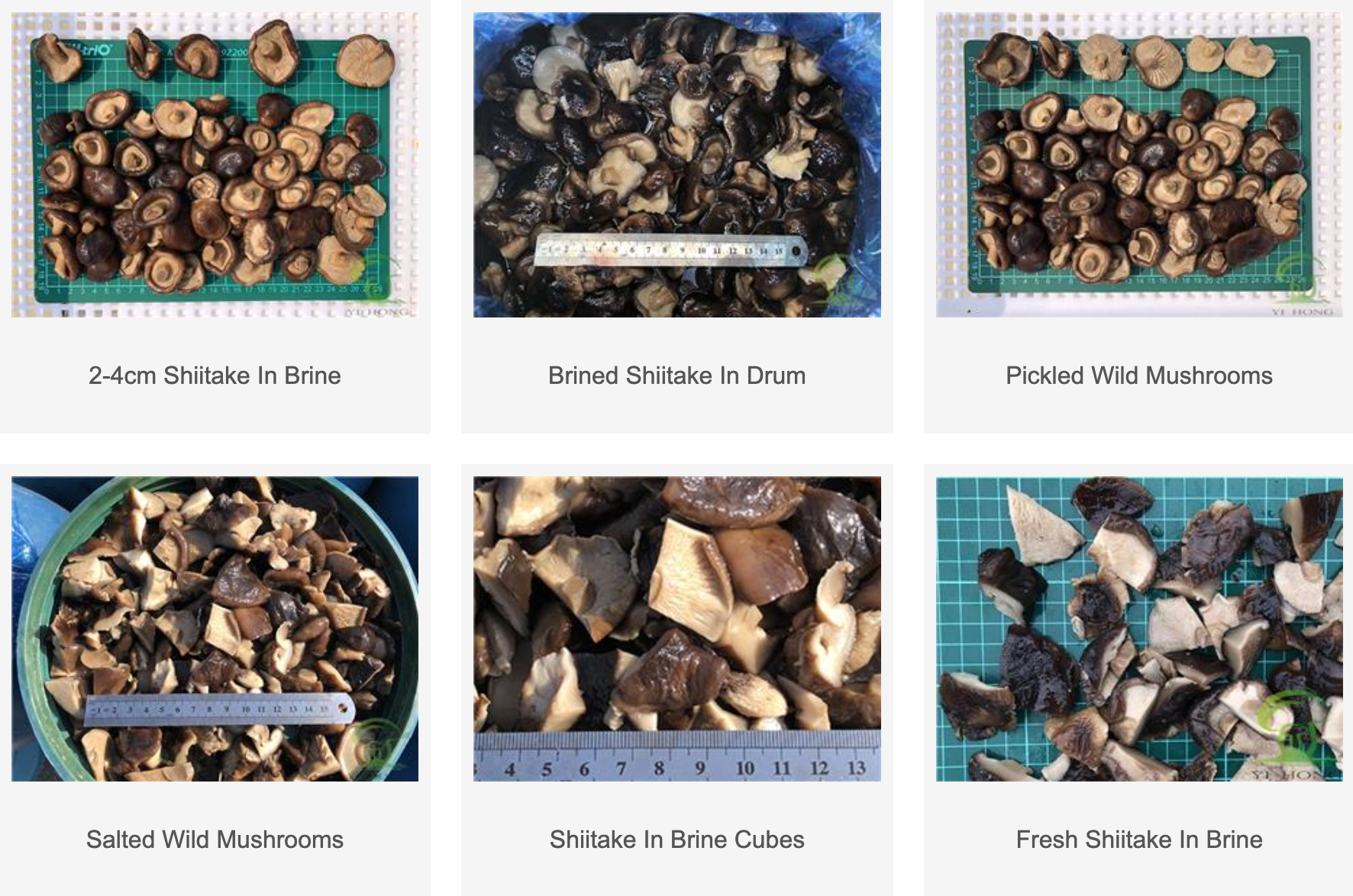
The king of umami. When preserved in brine, Shiitake In Brine maintains a meaty, firm texture. They are the gold standard for Asian cuisine, savory pies, and plant-based meat alternatives.
Boletus Edulis (Porcini)
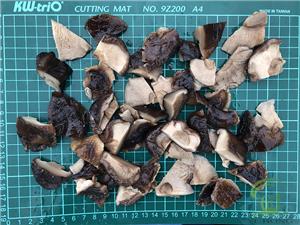
Highly prized in European markets, particularly Italy and France. Boletus Edulis In Brine offers an earthy, nutty profile. These are typically graded by color and size, with "Grade A" or "Extra" being used for premium retail jars, while lower grades are destined for industrial soups and sauces.
Nameko (Pholiota microspora)
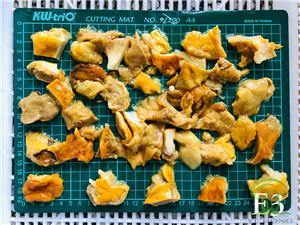
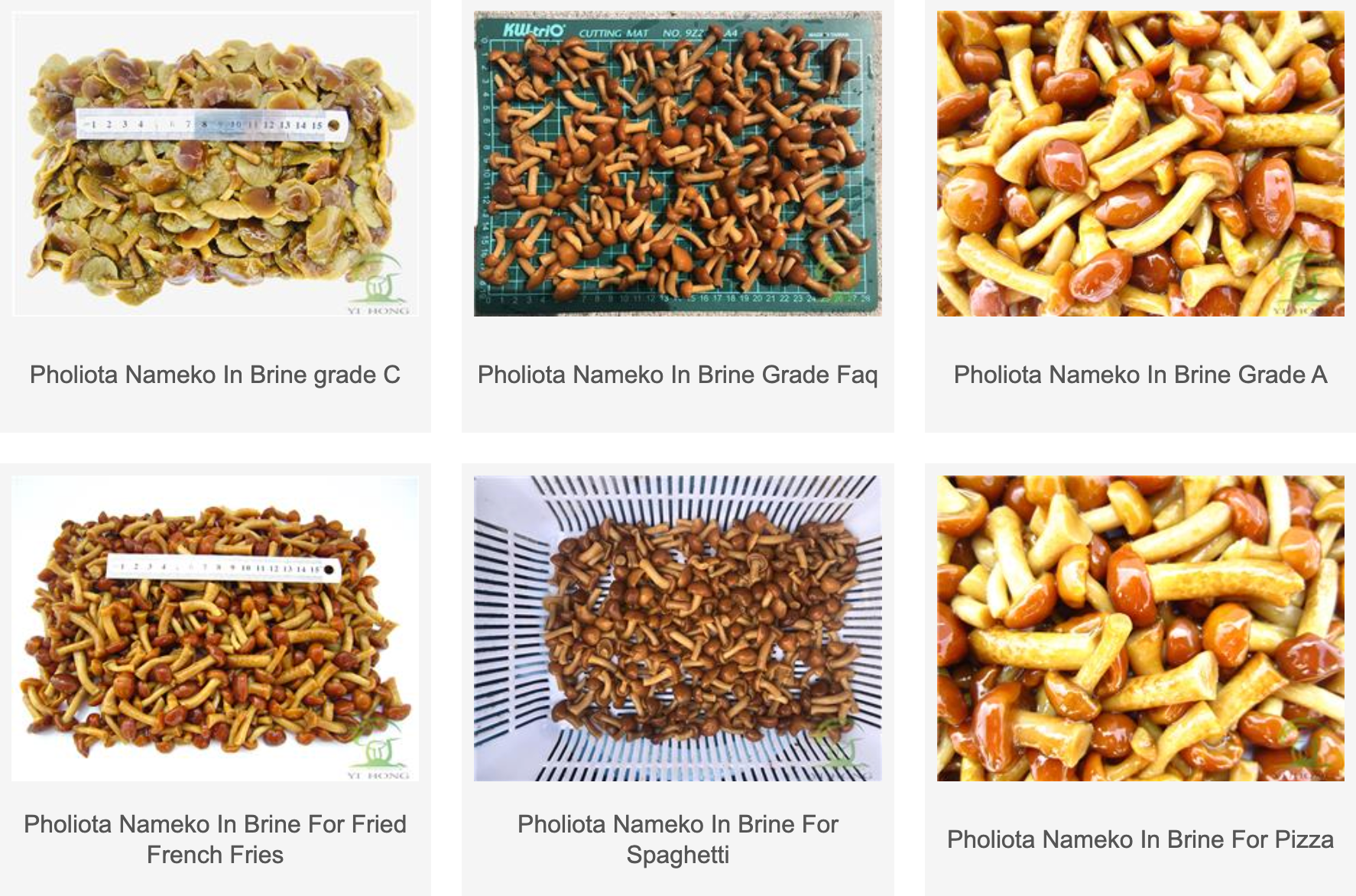
Recognizable by their amber color and slightly gelatinous coating, Pholiota Nameko In Brine is a staple in Japanese miso soups and stir-frys. Their unique texture acts as a natural thickener in sauces.
Chanterelles (Cantharellus cibarius)
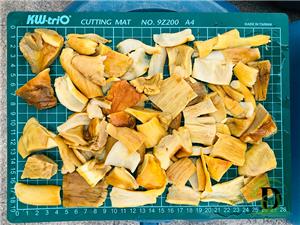
Known for their vibrant golden hue and fruity aroma. While often sold frozen, Cantharellus Cibarius preserved in brine is an excellent choice for luxury terrines and gourmet pizza toppings where visual appeal is paramount.
3. The Science of Brining: Quality Indicators
As a buyer, you must look beyond the label. The quality of a bottled salted mushroom is determined by the Salinity-to-Texture ratio.
Pro Tip: Look for suppliers who utilize a "staged brining" process. Rapid over-salting can cause the mushroom to shrivel and lose its "snap." A gradual increase in brine concentration ensures the mushroom remains plump and aesthetically pleasing.
Key Technical Specifications to Demand:
Salt Content: Usually ranges between 18% and 25% for long-term preservation.
pH Levels: Must be strictly controlled (often with citric acid).
Drained Weight: Always negotiate based on drained weight, not gross weight. A high-quality supplier like Xiuyan Yihong Agricultural Products provides transparency on the mushroom-to-liquid ratio.
4. Sourcing from the Source: The China Advantage
When it comes to global supply, the Xiuyan Manchu Autonomous County in Liaoning Province, China, has emerged as a world-class hub for mushroom production.
Why Yihong?
Ecological Purity: With high forest coverage and a clean environment, the wild and cultivated mushrooms here have lower heavy metal counts compared to industrial zones.
Integrated Supply Chains: Factories like Yihong Agricultural Products are located directly at the source. This "Farm-to-Bottle" proximity means mushrooms are processed within hours of harvest, locking in peak freshness.
- Industry News
- Product News
- Company News
- Video