Shiitake Mushroom Blocks vs Whole Mushrooms
For a food factory, the format of a mushroom ingredient can affect labor, processing time, yield and recipe consistency. Buyers comparing shiitake mushroom blocks with whole mushrooms should therefore look beyond the purchase price.
The term “block” is not always standardized between suppliers. A professional buyer should define dimensions, cut tolerance, stem inclusion, drained weight and preservation method rather than relying on the product name alone.
What Are Shiitake Mushroom Blocks?
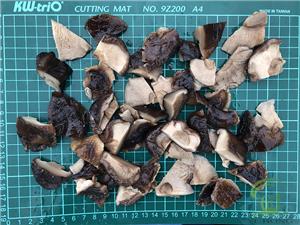
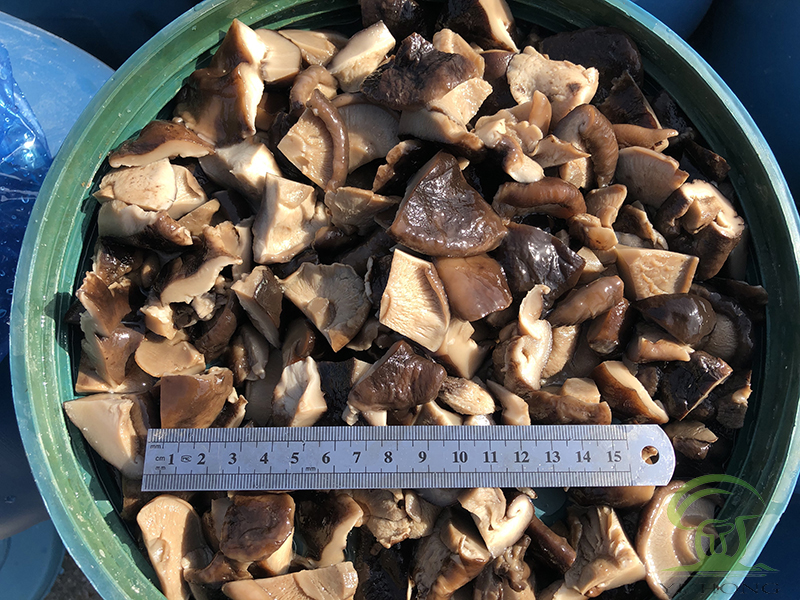
In industrial purchasing, shiitake mushroom blocks can refer to a processed mushroom format intended for further food manufacturing. Exact dimensions and processing details should be confirmed with the supplier and approved by sample. If your purchasing team uses the term internally, include a drawing, dimensions or reference sample whenever possible.
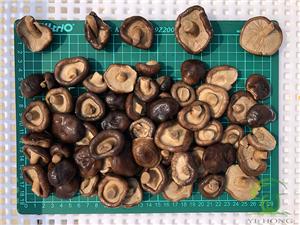
Whole Mushrooms vs Blocks
| Factor | Whole Mushrooms | Blocks / Pre-processed Format |
|---|---|---|
| Flexibility | High; factory can cut as needed | Defined by agreed dimensions |
| Preparation labor | Usually higher | Can be reduced |
| Size control | Depends on incoming raw material | Can be specified by tolerance |
| Processing efficiency | Requires more preparation | Potentially faster for standardized recipes |
| Best fit | Factories with cutting capability | Factories prioritizing consistency and convenience |
1. Define the Dimensions
If you need blocks, put the target dimensions and tolerance into the RFQ. Also specify whether stems are included, whether trimming is required and how much variation is acceptable.
2. Consider the Cost of Labor
A whole mushroom may have a lower purchase price but require additional sorting and cutting. A pre-processed format can have a higher unit price while reducing preparation labor. The correct comparison is total production cost.
Total ingredient cost = purchase cost + preparation labor + process loss + handling cost.
3. Evaluate Yield
During the sample trial, measure incoming weight, drained weight, trimming loss and final usable weight. This provides a more reliable basis for comparing formats.
4. If the Blocks Are Brined, Check Drained Weight
When a processed mushroom format is supplied in brine, distinguish mushroom weight from total drum weight. Drained weight is the key commercial reference for usable mushroom quantity.
5. Test the Final Recipe
For sauces, soups, prepared meals or toppings, test the block format after the complete cooking cycle. Check whether the pieces maintain the required appearance and texture.
6. Ask About Alternative Formats
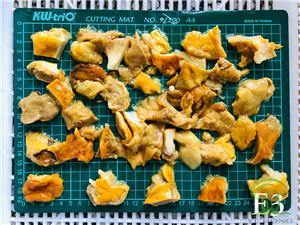
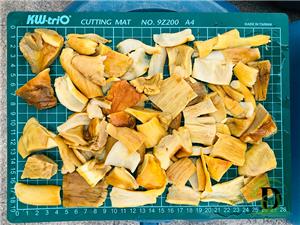
A buyer may discover that cubes, strips, quarter-cut or whole mushrooms are more suitable than blocks. The site's current shiitake range includes quarter-cut, 2–4 cm, strip and cube formats, so it is useful to compare alternatives before finalizing the specification.
7. Procurement Checklist
Exact mushroom type
Block dimensions
Dimensional tolerance
Whole/cut format
Stem requirements
Drained weight if brined
Net and gross weight
Packaging
MOQ
Lead time
Sample availability
8. Questions for Your Supplier
Please confirm the exact dimensions of the shiitake mushroom blocks, allowable size tolerance, stem inclusion, preservation method, drained weight if applicable, packaging, MOQ, shelf life, lead time and available sample. Please also advise whether cubes, strips or quarter-cut formats are available.
Conclusion
The best mushroom format depends on the production line. Whole mushrooms can provide flexibility, while pre-processed shiitake mushroom blocks may be attractive when consistent dimensions and reduced preparation work are priorities.
Discuss a Custom Shiitake Format
Tell us your required dimensions, application, packaging and estimated quantity. We can discuss available shiitake formats and provide sample and quotation information.
Email: yh_2002@126.com | Phone: +86-17640694200
- Industry News
- Product News
- Company News
- Video