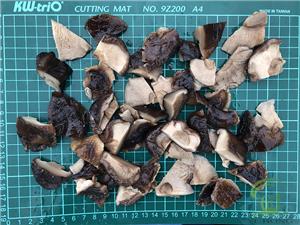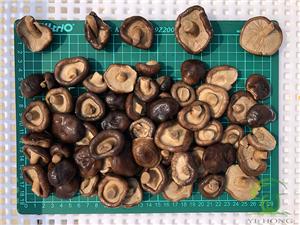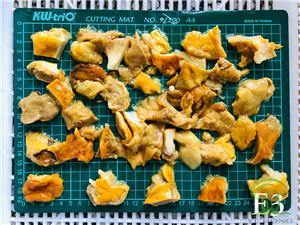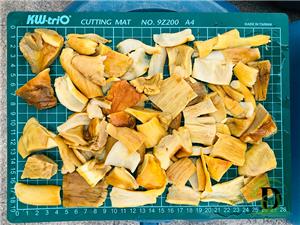
Raw Materials for Canned Mushrooms: Salted Mushrooms (1)
The global food industry relies heavily on high-quality raw materials to ensure consistent product quality. Among the myriad raw materials utilized, salted mushrooms play a pivotal role, underpinning the production of many shelf-stable food products commonly found in kitchens across the United States.
By employing this specific preservation method, manufacturers are able to maintain the structural integrity and flavor profiles of agricultural produce throughout the year. This practice is particularly crucial for large-scale production, as a high degree of product consistency is key to meeting consumer expectations.
The selection of appropriate raw materials directly determines the final quality of canned mushrooms. When processors prioritize these reliable ingredients, they establish a trustworthy supply chain that effectively balances production efficiency with food safety. A deeper understanding of this processing workflow allows us to better appreciate the scientific principles that lie behind the everyday pantry staples we rely on.
Key Takeaways:
· Salted mushrooms provide a solid foundation for industrial food processing.
· This preservation method ensures that products maintain consistent texture and flavor year-round.
· High-quality raw materials are a prerequisite for producing high-quality canned mushrooms.
· Large-scale production benefits from the reliability of this ingredient.
· Proper processing techniques maintain safety and shelf-life standards.
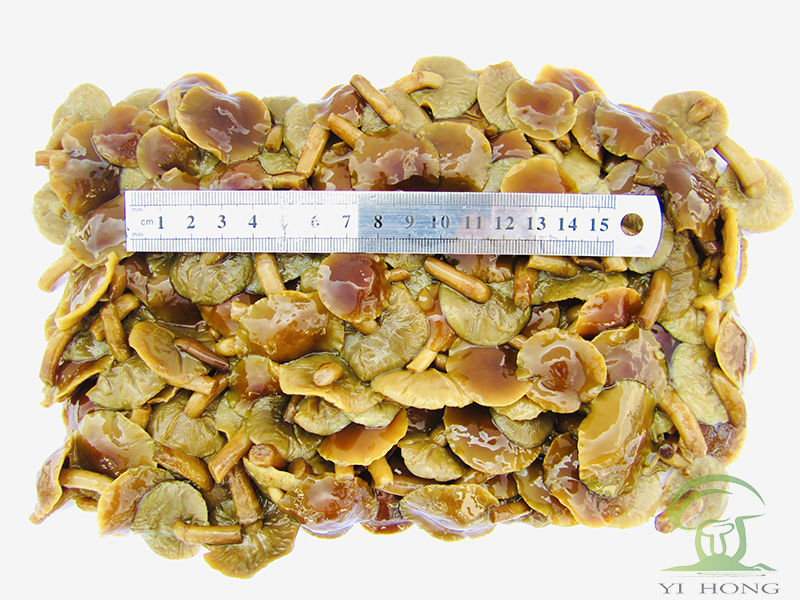
The Role of Salted Mushrooms in the Canning Industry:
By utilizing salted mushrooms, manufacturers can effectively bridge supply gaps that occur between different harvest seasons. This highly strategic approach enables the food processing industry to maintain a stable production flow, unhindered by external environmental factors. It serves as a reliable buffer mechanism, effectively mitigating the supply fluctuations that can arise when fresh produce availability is impacted by natural conditions.
Salting is a vital preservation technique that stabilizes the condition of raw materials, rendering them suitable for long-term storage and use. When supplies of fresh produce run low, processors rely on these salted reserves to ensure an uninterrupted supply of canned mushrooms throughout the year. This stability in supply is essential for consistently meeting consumer demand.
Maintaining such a high level of operational efficiency is a hallmark of modern canning facilities. By integrating salted mushrooms into their supply chains, companies not only minimize raw material waste but also optimize their production scheduling. Ultimately, this effective practice ensures that high-quality canned mushrooms remain consistently available on store shelves, thereby robustly supporting the ambitious growth objectives of the entire food processing industry.
Criteria for Freshness and Quality:
Quality control begins the very moment the mushrooms are harvested from their cultivation beds. Suppliers must strictly adhere to established standards to ensure that the raw materials are in optimal condition prior to undergoing the salting process. Key indicators of freshness include the firmness of the mushroom caps and the absence of any visible signs of bruising or discoloration on the surface.
The Science Behind Mushroom Preservation via Salting:
When mushrooms come into contact with salt, a complex series of chemical reactions is triggered—reactions that ultimately determine the texture and flavor of the finished product. This process is not merely about imparting a salty taste; rather, it represents a sophisticated preservation technique that has been refined and perfected over generations. By precisely controlling the processing environment, producers can ensure that the raw materials remain in a stable state, ready to enter the canning production line at any moment.
How Salt Preserves Mushroom Texture and Flavor:
The primary mechanism underlying this process is "osmosis"—the very cornerstone of effective brine-based preservation techniques. When salt is applied to the mushrooms, it draws excess moisture out of their cells, thereby significantly reducing their internal "water activity." This reduction in water activity creates an inhospitable environment for spoilage-causing bacteria, effectively extending the product's shelf life.
Beyond ensuring food safety, this salting process also serves to firm up the cellular structure of the mushrooms.
Salt is the silent architect of texture, transforming delicate fungi into resilient ingredients that withstand the rigors of industrial canning.
This structural integrity is essential for maintaining the bite and mouthfeel that consumers expect from premium canned goods.
The Fermentation Process Explained:
Once the initial moisture is removed, controlled fermentation techniques take over to develop the signature flavor profile. During this stage, beneficial lactic acid bacteria often thrive in the salty environment. These microbes convert natural sugars into organic acids, which provide a subtle, tangy depth that enhances the earthy notes of the mushroom.
Successful brine curing requires careful monitoring of temperature and salt concentration to keep the process on track. When these fermentation techniques are managed correctly, the result is a high-quality raw material that elevates the final canned product. Understanding this science is truly the key to consistency in the modern mushroom supply chain.
Harvesting and Preparation Standards:
The journey of a perfect canned mushroom begins long before it reaches the factory floor. Quality control starts in the soil, where the health of the crop dictates the final outcome of the canning process.
By following strict protocols, producers ensure that every jar meets consumer expectations for taste and texture. These foundational steps are essential for maintaining the integrity of the raw material before it enters the salting vats.
Best Practices for Field Collection:
Effective mushroom harvesting requires a delicate touch to prevent bruising the fungal tissue. Workers must be trained to handle the mushrooms gently, as even minor damage can lead to rapid oxidation and quality loss.
When dealing with commercial mushroom varieties, timing is everything. Harvesting at the optimal stage of maturity ensures the best flavor profile and structural firmness.
Modern farms are increasingly adopting sustainable agriculture practices to protect the environment while maximizing yield. These methods focus on soil health and water conservation, which ultimately results in a cleaner, more resilient product for the canning industry.
Cleaning and Sorting Techniques:
Once the mushrooms arrive at the processing facility, they undergo a rigorous cleaning process. This stage is vital for removing soil, organic debris, and any foreign matter that might have been collected during the harvest.
Sorting is the next critical step to ensure uniformity across the batch. Workers or automated systems categorize the mushrooms by size, shape, and color to meet specific product requirements.
| Method | Primary Benefit | Efficiency Level |
| Manual Picking | Reduced bruising | Low |
| Mechanical Harvesting | High volume output | High |
| Automated Sorting | Uniform size grading | Very High |
Consistent sorting allows manufacturers to maintain high standards for their canned goods. By removing damaged or off-spec items early, the facility avoids wasting resources on inferior raw materials.
Understanding Salted Mushrooms as a Raw Material:
When mushrooms undergo the salting process, they transform into a stable raw material that demands specific care. This method of mushroom preservation relies on osmotic pressure to draw out moisture while inhibiting the growth of spoilage organisms. By utilizing traditional fermentation techniques, producers can effectively stabilize the crop for long-term use in the canning industry.
Chemical Composition and Nutritional Profile:
The mushroom nutritional profile changes slightly during the curing process. While some water-soluble vitamins may leach into the brine, the core mineral content and fiber structure remain largely intact. Salt acts as a preservative that locks in the natural earthy flavors, ensuring the product retains its characteristic profile even after months of storage.
The interaction between salt and the mushroom tissue creates a firm texture that stands up well to the heat of the canning process. This chemical stability is vital for maintaining the quality of the final product. Manufacturers must monitor these changes to ensure that the raw material meets the necessary standards for commercial canning.
Storage Requirements Before Canning:
Proper mushroom storage is the most critical factor in preventing degradation before the canning stage begins. If the salted stock is not kept in a controlled environment, the quality can decline rapidly, leading to off-flavors or texture loss. To maintain the integrity of your supply, follow these essential guidelines:
Temperature Control: Keep the storage area cool and consistent to prevent unwanted microbial activity.
Brine Coverage: Ensure that all salted mushrooms are fully submerged in brine to prevent oxidation and surface mold.
Container Integrity: Use food-grade, non-reactive containers to avoid chemical leaching into the product.
Monitoring: Regularly check the pH levels and salt concentration to ensure the mushroom storage conditions remain optimal.
By adhering to these strict protocols, processors can ensure that their inventory remains in peak condition. Consistent attention to these details helps in delivering a superior canned product that consumers trust. Quality control at this stage is the foundation of a successful canning operation.
Quality Control Measures for Salted Raw Materials:
Maintaining high standards for salted raw materials is essential for any successful canning operation. Implementing a robust mushroom quality control program ensures that every batch remains safe for consumption. By adhering to strict food safety standards, processors can prevent contamination and maintain consistent product quality.
Testing for Salt Concentration:
Accurate measurement of salt levels is a critical step in the preservation process. Processors typically use titration methods or digital refractometers to verify that the brine concentration meets specific requirements. These tools provide quick, reliable data that helps maintain the integrity of the mushroom storage environment.
Consistent salt levels prevent the growth of unwanted bacteria while preserving the texture of the mushrooms. If the concentration drops below the required threshold, the risk of spoilage increases significantly. Regular testing ensures that every container remains within the safe range for long-term stability.
Detecting Spoilage and Microbial Risks:
Effective industrial food safety protocols rely on both visual inspections and laboratory analysis. Staff must be trained to identify early signs of spoilage, such as off-odors, discoloration, or changes in brine clarity. These physical checks serve as the first line of defense against potential contamination.
Beyond visual checks, monitoring pH levels is vital for identifying microbial activity. If the pH rises unexpectedly, it may indicate that the fermentation process has been compromised. The following table outlines the key parameters monitored during the quality assurance process.
| Parameter | Acceptable Range | Testing Frequency |
| Salt Concentration | 12% - 15% | Every Batch |
| pH Level | 3.5 - 4.2 | Daily |
| Visual Appearance | Firm, No Mold | Continuous |
| Microbial Count | Within FDA Limits | Weekly |