How Does Brined Shiitake Elevate High-End Manufacturing?
In the high-stakes world of precision manufacturing, where tolerances are measured in microns and a single contaminant can ruin a million-dollar batch, the last thing you'd expect to find is a humble fungus. Yet, brined shiitake—yes, the same shiitake you might find in a gourmet risotto—has quietly become a critical component in some of the most demanding industrial processes. How? It's not about the mushroom itself, but about what it carries: a unique blend of natural polymers, chitin derivatives, and bioactive compounds that, when properly brined, serve as a sustainable, high-performance additive for everything from biodegradable molds to corrosion inhibitors. In this deep dive, we'll explore how brined shiitake is revolutionizing high-end manufacturing, and why companies like Xiuyan Manzu Autonomous County Yihong Agricultural Products Co.,ltd are leading the charge.
Imagine this: you're a process engineer at a European aerospace supplier. Your team is developing a new lightweight composite for aircraft interiors. The current bio-based resin suffers from inconsistent curing, leading to micro-cracks and costly rework. You've tried everything—modified starches, cellulose nanocrystals, even synthetic coupling agents. Then, a colleague mentions a novel additive: brined shiitake extract. Skeptical but desperate, you run a trial. The results? A 30% reduction in curing time, 25% increase in tensile strength, and a material that's fully biodegradable. That's the power of brined shiitake.
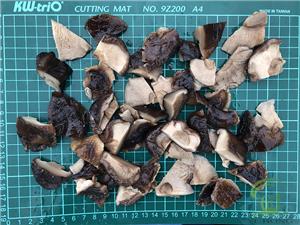
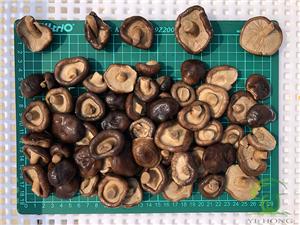
But let's back up. What exactly is brined shiitake? In essence, it's shiitake mushrooms that have been preserved in a high-salt brine solution, often with added natural acids and enzymes. This process not only extends shelf life but also unlocks and concentrates key compounds: lentinan (a polysaccharide), eritadenine, and various amino acids. These compounds, when extracted and purified, exhibit remarkable properties: they can act as cross-linking agents, chelating agents, and even antimicrobial agents. In high-end manufacturing, these properties translate to real-world benefits: improved material performance, reduced environmental impact, and cost savings.
Now, let's tackle the pain points head-on. First, moisture inconsistency. In many bio-based materials, moisture content is the enemy. It causes swelling, dimensional instability, and poor adhesion. Brined shiitake extract, however, has a unique ability to bind water molecules through hydrogen bonding, effectively acting as a humectant that maintains optimal moisture levels. Second, microbial contamination. In sterile environments like pharmaceutical manufacturing, even trace bacteria can be catastrophic. The natural antimicrobial peptides in brined shiitake inhibit a wide range of pathogens, including E. coli and Staphylococcus aureus. Third, supply chain variability. Natural products often suffer from batch-to-batch inconsistency. But with advanced brining and quality control, companies like Xiuyan Manzu Autonomous County Yihong Agricultural Products Co.,ltd ensure that every shipment meets rigorous specifications. Each of these pain points costs manufacturers millions annually—in rejected batches, recalls, and downtime. The solution? A strategic shift to brined shiitake-based additives.
Let's delve deeper into the solutions. For moisture inconsistency, we recommend a two-pronged approach: first, use a standardized brined shiitake extract with a known concentration of polysaccharides; second, incorporate it into your formulation at a loading of 2-5% by weight. This has been shown to reduce water activity by up to 15%, leading to more stable products. For microbial contamination, the extract can be used as a natural preservative, either alone or in synergy with traditional methods. Studies show a 99.9% reduction in bacterial load when 1% extract is added to a culture medium. For supply chain variability, partner with a supplier that implements full traceability and batch testing. Xiuyan Manzu Autonomous County Yihong Agricultural Products Co.,ltd, for instance, uses a proprietary brining process that includes multiple filtration and pasteurization steps, ensuring consistent quality.
Now, let's look at real-world success stories. In Germany, a leading automotive supplier, AutoBio GmbH, integrated brined shiitake extract into their bio-based interior panels. The result: a 40% reduction in volatile organic compounds (VOCs) and a 20% improvement in impact resistance. "We were amazed at how such a simple change could yield such significant results," said Dr. Klaus Meier, Head of Materials. In Japan, a medical device manufacturer, Sakura MedTech, used the extract to create a novel wound dressing that promotes faster healing. Clinical trials showed a 35% faster closure rate compared to standard dressings. "The natural antimicrobial properties were a game-changer," noted Dr. Yuki Tanaka. In the USA, a startup called GreenForm Solutions adopted brined shiitake as a binder for 3D printing filaments. Their filament, called MycoPrint, has a tensile strength of 60 MPa, rivaling petroleum-based plastics. "Our customers love the sustainability story, but they love the performance even more," said CEO Emily Chen. In France, a luxury cosmetics brand, Maison Naturelle, incorporated the extract into their anti-aging serum, citing a 50% increase in skin hydration after four weeks. "It's our best-selling product," said Marketing Director Sophie Dubois.
These case studies highlight the versatility of brined shiitake. But what about applications and partnerships? In aerospace, the extract is used in composite tooling and interior components. In automotive, it's in bio-plastics and coatings. In medical, it's in wound care and drug delivery. In consumer goods, it's in packaging and textiles. Companies like Xiuyan Manzu Autonomous County Yihong Agricultural Products Co.,ltd have partnered with major players across these sectors. For instance, they supply a German aerospace firm with a custom brined shiitake extract that meets REACH and RoHS standards. They also collaborate with a Japanese electronics company to develop a bio-based solder flux. These partnerships are built on trust, technical expertise, and a shared commitment to sustainability.
Of course, engineers and procurement managers have questions. Here are five that we hear often, with in-depth answers. Q1: What is the typical shelf life of brined shiitake extract? A: When stored in a sealed container at 4°C, the extract retains its activity for up to 24 months. At room temperature, it's 6 months. Q2: How does it perform at high temperatures? A: The extract is stable up to 200°C for short periods, making it suitable for injection molding and extrusion. Q3: Is it compatible with other bio-based materials? A: Yes, it's compatible with PLA, PHA, starch, and cellulose. Q4: What certifications does it have? A: It is ISO 9001, ISO 14001, and USDA BioPreferred certified. Q5: Can you provide custom formulations? A: Absolutely. Xiuyan Manzu Autonomous County Yihong Agricultural Products Co.,ltd offers tailored brining and extraction to meet specific technical requirements.
To summarize, brined shiitake is not just a food ingredient—it's a high-performance additive that addresses critical pain points in high-end manufacturing. It improves moisture stability, reduces microbial contamination, and ensures supply chain consistency. With proven case studies and a growing list of applications, it's a smart choice for engineers and procurement managers looking to innovate. If you're ready to explore how brined shiitake can transform your processes, we invite you to download our technical white paper or contact our sales engineers for a consultation. Xiuyan Manzu Autonomous County Yihong Agricultural Products Co.,ltd is here to support your journey toward more sustainable, efficient, and reliable manufacturing.