Bulk Brined Mushrooms: Packaging, Drums, Shelf Life and Logistics
Bulk brined mushroom sourcing is a logistics-driven business as much as it is a food ingredient business. For importers, distributors, repackers, and food manufacturers, the product must survive long-distance transport, warehouse handling, customs clearance, and repeated use in production. That is why serious buyers ask about drums, packing strength, drained weight, brine ratio, shelf life, loading quantity, and storage conditions before they ask about branding or marketing language.
A buyer searching for bulk brined mushrooms is usually solving one of three problems. The first problem is seasonal supply: the buyer needs mushrooms throughout the year even when fresh harvest is limited. The second problem is processing stability: the buyer needs a preserved ingredient that can be used in sauces, canned products, frozen meals, pizza toppings, or mixed vegetable applications. The third problem is trade efficiency: the buyer needs a format that can be imported in container quantities and then distributed or repacked locally.
This guide focuses on the questions that B2B buyers ask most often when evaluating bulk brined mushroom suppliers: which packaging format is suitable, why drums are common, what affects shelf life, how logistics should be planned, what documentation is needed, and how to reduce quality claims after arrival.
Why Bulk Packing Is Different from Retail Packing
Retail packing is designed for the final consumer. Bulk packing is designed for the supply chain. A retail jar or pouch must look attractive on a shelf, communicate brand value, and fit consumer habits. A bulk drum must protect the product during international movement, support warehouse operations, and preserve usable yield for further processing. The criteria are different, so the buying decision must be different.
In bulk brined mushroom trade, appearance still matters, but it is not the only concern. A food processor cares about how much usable product is available after draining, whether piece size is consistent, whether salt level fits its formula, whether the mushroom holds texture after further heating, and whether the packing is easy to handle in the factory. A distributor cares about stability, leakage risk, labeling, pallet condition, and shipment documents. A repacker cares about the condition of mushrooms when opened after transport.
Because bulk packing is often invisible to the end consumer, some buyers underestimate its importance. This is a mistake. Poor packing can cause leakage, contamination risk, warehouse complaints, inconsistent drained weight, or difficult unloading. A strong supplier treats packing as a technical specification rather than a simple container choice.
Common Bulk Packaging Formats
| Packing Format | Typical Use | Advantages | Points to Confirm |
|---|---|---|---|
| Plastic drums | Industrial bulk import, repacking, food manufacturing | Efficient for preservation and container loading | Drum strength, seal, liner, net weight, palletizing |
| Metal tins | Food-service or industrial use depending on size | Strong presentation and portion control | Tin size, corrosion resistance, label and carton condition |
| Pails or buckets | Food-service distribution and smaller industrial use | Convenient handling for kitchens or small processors | Opening method, storage after opening, carton packing |
| Jars or retail packs | Private label or consumer shelf product | Ready for retail sale | Label compliance, barcode, shelf appeal, case packing |
| Flexible pouches | Selected retail or food-service applications | Potential convenience and lower weight | Leakage testing, shelf-life validation, market acceptance |
Drums are often preferred for container-scale brined mushroom imports because they are practical for preserved products and industrial handling. They allow buyers to import large quantities without paying for consumer packaging. The buyer can then repack, process, or distribute according to local demand. However, drum packing must be specified carefully. The buyer should confirm net weight, drained weight expectation, brine ratio, drum material, inner liner, seal type, label details, pallet arrangement, and loading quantity.
For buyers working with retail channels, bulk drums may still be useful as an upstream format. The importer can bring in drum-packed product, test it, repack it locally, and adapt labels to local regulations. This can be more flexible than importing finished retail packs from the beginning, especially when the brand is still testing the market. However, local repacking requires proper food handling facilities and regulatory compliance, so buyers should evaluate local capability before choosing this route.
Drum Packing: What Buyers Should Check
A drum is not just a container. It is part of the product's risk control system. Buyers should check whether the drum is suitable for food contact, whether the seal is reliable, whether there is a liner, whether label information is clear, and whether the packing can withstand container transportation. If the drum leaks during transit, the problem can affect not only one unit but the entire container environment.
The second point is weight definition. Buyers must distinguish between gross weight, net weight, and drained weight. Gross weight includes packaging. Net weight usually refers to the total product content including brine. Drained weight refers to the mushroom portion after liquid is removed under defined conditions. Many commercial disputes come from unclear weight expectations. The buyer and supplier should agree on the basis of quotation and inspection before shipment.
The third point is opening performance. A drum may look fine externally but the product inside may have shifted, broken, or absorbed salt unevenly if handling was poor or storage conditions were unsuitable. Buyers who repack locally should test the product after opening and record how it behaves in real operations. This is especially important for premium wild mushrooms where piece integrity affects resale value.
Shelf Life: What It Means in B2B Trade
Shelf life for brined mushrooms should be understood as a controlled storage concept, not a magic guarantee. The shelf-life statement depends on product type, packing format, brine condition, processing method, storage temperature, seal integrity, and destination regulation. Buyers should not assume that every brined mushroom product has the same shelf life. They should ask suppliers for product-specific information and confirm whether the statement fits their local market requirements.
In bulk trade, shelf life also has commercial meaning. An importer does not only ask whether the product is safe until a certain date. The importer asks whether the product can maintain acceptable texture, appearance, odor, and usability during storage and after distribution. A product may remain preserved but still lose commercial value if texture softens, color changes, or liquid condition becomes unacceptable for the buyer's customers.
Storage after arrival is just as important as production. If drums are stored in unsuitable conditions, exposed to extreme temperature, damaged during handling, or opened without proper controls, shelf-life performance can suffer. Suppliers can provide guidance, but importers and distributors must manage their own warehouses responsibly. A good purchasing decision includes both supplier evaluation and local storage planning.
Logistics and Container Planning
Bulk brined mushroom shipments are commonly planned by container. The buyer should discuss loading quantity, pallet method, packaging dimensions, destination port, shipping schedule, and required documents before confirming the order. Container planning affects unit cost, but it also affects product safety. Overloading, poor palletizing, weak packaging, or unclear marks can create unloading problems and increase claim risk.
Importers should also consider lead time. Brined mushroom products depend on raw material availability, production schedule, packing materials, inspection, booking, and shipping. Buyers who need stable supply should avoid waiting until stock is nearly finished before placing the next order. A rolling purchasing plan is safer, especially for seasonal wild mushroom products. Good suppliers can help buyers plan, but buyers must also forecast demand realistically.
Customs clearance is another practical issue. Documents must match the product, packing, invoice, and destination requirements. The buyer should confirm HS code expectations with its own broker and communicate document needs to the supplier. If labels, packing list, or product descriptions are inconsistent, clearance can be delayed even when the product itself is correct.
Quality Risks After Arrival
Many quality disputes are discovered after arrival, but some of them are created before shipment through unclear expectations. For example, a buyer may expect large clean pieces but order a standard mixed grade. Another buyer may expect low salt but never define salt level. A repacker may expect high drained yield but compare suppliers using only net weight price. These issues can be reduced through written specifications, sample approval, and clear inspection standards.
After arrival, buyers should inspect goods promptly. They should check external packing, leakage, label condition, odor, brine condition, mushroom appearance, texture, and weight basis. If a problem is found, photos, batch codes, and inspection records should be collected before the goods are moved or mixed with other inventory. Professional claim handling depends on evidence, not only complaint language.
For repeat business, buyers should keep arrival records across shipments. This helps compare suppliers, evaluate seasonal differences, and improve future specifications. A buyer who tracks data will make better purchasing decisions than a buyer who relies only on memory or price comparison.
Bulk Buyer Checklist
Before ordering bulk brined mushrooms, confirm the product species, grade, cut type, packing format, net weight, drained weight basis, brine condition, shelf-life statement, storage requirements, label information, loading quantity, pallet method, inspection procedure, document list, and after-arrival claim process. These points should be included in the purchase discussion before deposit or production approval.
For first orders, request samples and test them in the actual application. A product may look acceptable in a sample bowl but behave differently in sauce production, pizza topping preparation, retail repacking, or food-service handling. Practical testing is one of the most valuable steps in bulk sourcing.
YIHONG for Bulk Brined Mushroom Supply
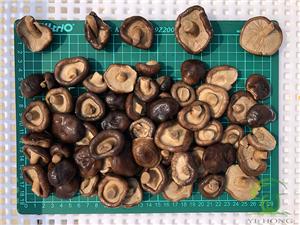
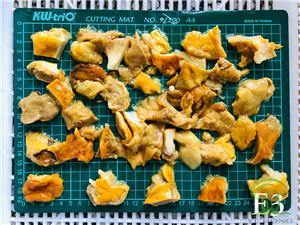
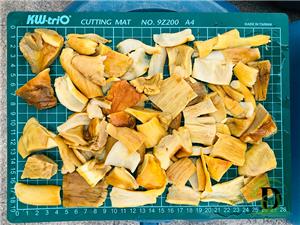
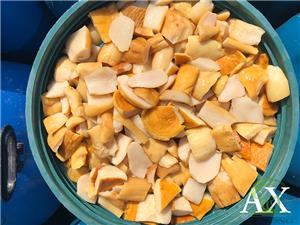
YIHONG Brined Fungi supplies preserved mushroom products for B2B buyers, including brined porcini mushrooms, nameko mushrooms in brine, brined shiitake mushrooms, brined chanterelles, brined stropharia mushrooms, hazel mushrooms in brine, and related mushroom products. Buyers sourcing bulk brined mushrooms can evaluate YIHONG for product range, packing discussion, export communication, and long-term cooperation potential.
As with any supplier, buyers should confirm samples, specifications, packing details, documents, and market requirements before ordering. The strongest bulk purchasing decisions are based on total reliability: product quality, packing safety, communication, documentation, shipment planning, and repeat supply.
FAQ: Bulk Brined Mushrooms
Why are drums common for brined mushrooms?
Drums are efficient for industrial preservation, container loading, and downstream repacking or food manufacturing.
What is the difference between net weight and drained weight?
Net weight usually includes mushrooms and brine, while drained weight refers to the mushroom portion after liquid is removed under defined conditions.
Can brined mushrooms be shipped long distance?
Yes, that is one of the reasons brined mushrooms are used in international trade, but packing, storage, and documentation must be managed properly.
Should I buy retail packs or bulk drums?
Choose retail packs if you need consumer-ready goods. Choose bulk drums if you are an importer, repacker, distributor, or food manufacturer.
What should I check when the container arrives?
Check packing condition, leakage, labels, batch codes, odor, brine condition, mushroom appearance, texture, and agreed weight basis.