Brined Mushrooms in Drums: A Practical Guide for Industrial Buyers
Market Need of Brined Mushrooms
For ready meal factories, market need begins with a simple question: will Brined Stropharia In Drum perform reliably in ready meals after it leaves the supplier's warehouse and enters real production? A buyer should look beyond the product name and think about preparation steps, labor time, appearance after processing, and whether the same standard can be repeated in the next order. The buyer can turn this into a simple checklist item before approving the trial order.
Sample testing should copy the buyer's real production process as closely as possible. The sample should be rinsed, soaked, drained, cut, cooked, mixed, or heated in the same way the factory plans to use it. A visual check alone is not enough for serious purchasing decisions. When the product is used regularly, this detail becomes part of the supplier scorecard rather than a one-time comment.
A practical review should include both purchasing and production teams. Purchasing may focus on price, lead time, and payment terms, while production may care more about preparation time, piece condition, and how the material behaves after heating. Bringing these views together helps the buyer choose a mushroom ingredient that works commercially and technically. The purchasing team should also decide whether this point is a strict requirement or a preference that can be adjusted.
A new supplier relationship should usually begin with a manageable trial order. The trial order allows the buyer to check communication, documentation, packing, arrival condition, and production performance without committing too much volume too early. A clear answer here helps the buyer compare suppliers on operating value instead of only on the first quoted price.
For ready meal factories, market need begins with a simple question: will Brined Stropharia In Drum perform reliably in ready meals after it leaves the supplier's warehouse and enters real production? A buyer should look beyond the product name and think about preparation steps, labor time, appearance after processing, and whether the same standard can be repeated in the next order. The final decision should consider how this point affects storage, preparation, production speed, and customer acceptance.
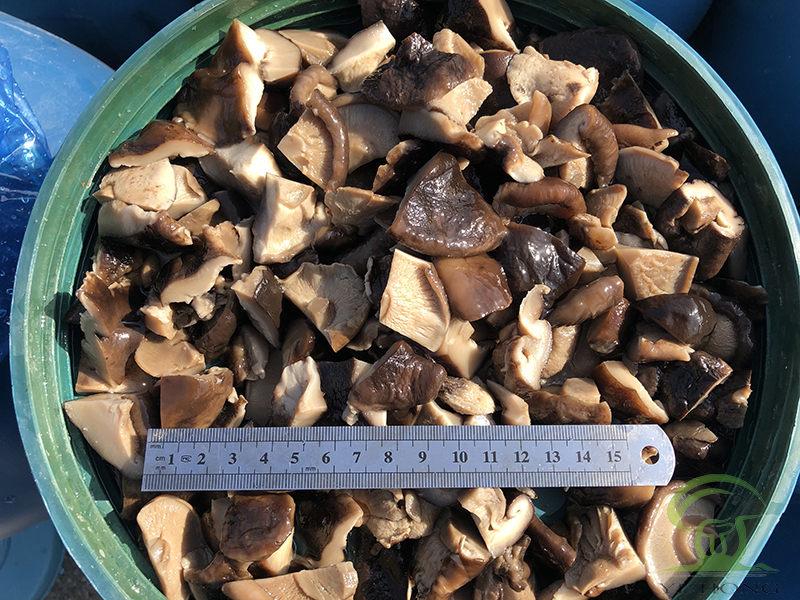
Ingredient Selection
The most useful supplier is not only the one that can quote quickly. It is the one that can help the buyer connect product form, factory application, packing details, and shipment timing. This is especially important when the ingredient will become part of a branded food, private label product, or regular foodservice supply. When the product is used regularly, this detail becomes part of the supplier scorecard rather than a one-time comment.
In many factories, the hidden cost of a mushroom ingredient appears during handling. If workers need extra time to sort, rinse, trim, or adjust the material, the actual cost becomes higher than the quotation suggests. This is why buyers should test the product in a real process before confirming regular orders. The purchasing team should also decide whether this point is a strict requirement or a preference that can be adjusted.
Logistics should be discussed before the order is finalized. Buyers should understand how the product will be packed, how the shipment will be labeled, what documents will accompany the goods, and how much time should be allowed for production and transport. A clear answer here helps the buyer compare suppliers on operating value instead of only on the first quoted price.
The practical way to review Brined Stropharia In Drum is to connect the product page with the intended use. If the material will be used in ready meals, the buyer should explain that application when asking for a quotation. This allows the supplier to recommend a suitable form, confirm packing details, and avoid offering a product that looks similar but does not fit the factory process. The final decision should consider how this point affects storage, preparation, production speed, and customer acceptance.
The most useful supplier is not only the one that can quote quickly. It is the one that can help the buyer connect product form, factory application, packing details, and shipment timing. This is especially important when the ingredient will become part of a branded food, private label product, or regular foodservice supply. If the answer is unclear, the buyer should ask again before confirming volume, because uncertainty becomes more expensive after goods are shipped.
Related product page: Brined Stropharia In Drum.