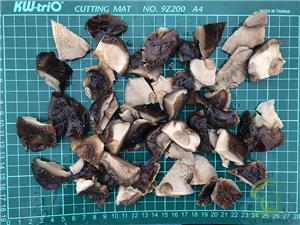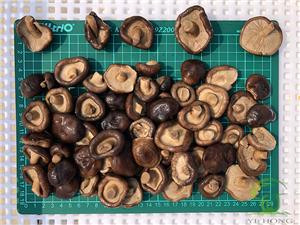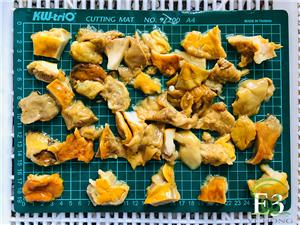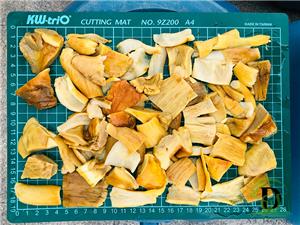
Brine Mushrooms: The Secret to Perfect Preservation?
Introduction: The Brine Mushroom Dilemma
Imagine you're a food manufacturer, and you've just received a shipment of brine mushrooms. You open the container, expecting that perfect balance of texture and flavor, but instead, you're hit with a mushy, overly salty mess. It's a scenario that plays out far too often in the industry, costing companies time, money, and reputation. So, what's the secret to perfect brine mushrooms? The answer lies in precision and expertise—from selecting the right mushroom variety to mastering the brine composition and processing techniques. In this blog, we'll dive deep into the world of brine mushrooms, uncovering the common pitfalls and providing you with the technical know-how to achieve consistent, high-quality results. Whether you're an engineer, a procurement manager, or a food scientist, this guide will equip you with the insights you need to elevate your brine mushroom products.
Industry Pain Points: Why Brining Goes Wrong
Brine mushrooms are a staple in many cuisines, but producing them at scale is fraught with challenges. Let's explore three critical pain points that professionals face daily.

1. Texture Degradation: The Mushy Mushroom Problem
Scenario: A large-scale catering company sources brine mushrooms for a ready-to-eat meal line. Upon opening the vacuum-sealed bags, they discover the mushrooms have lost their firmness, turning into a soft, unpalatable mush.
Impact: The company faces customer complaints, product returns, and a tarnished brand image. Worse, they must recall entire batches, leading to significant financial losses.
Cost: Beyond the immediate cost of recalled products—which can run into tens of thousands of dollars—there's the longer-term impact of lost customer trust and reduced shelf space. For a mid-sized manufacturer, a single recall event can cost upwards of $50,000, not including potential legal fees and lost sales.
2. Inconsistent Brine Concentration: The Salty Surprise
Scenario: A distributor receives a shipment of brine mushrooms from a new supplier. The first few batches are perfect, but subsequent batches vary wildly in saltiness, some excessively salty, others bland.
Impact: Inconsistent product quality forces the distributor to sort and rework batches, increasing labor costs and slowing down order fulfillment. Retail partners complain about variability, threatening to switch suppliers.
Cost: Reworking and sorting can add 15-20% to operational costs. Additionally, the distributor may need to offer discounts to appease unhappy retailers, eroding profit margins. Over a year, these inefficiencies can cost a company hundreds of thousands in lost revenue and extra expenses.
3. Short Shelf Life and Spoilage: The Hidden Contamination
Scenario: A food service operator purchases brine mushrooms in bulk, expecting a shelf life of at least six months. However, after just two months, some jars show signs of spoilage—cloudy brine, off-odors, and mold growth.
Impact: The operator must discard the spoiled inventory, leading to waste and potential health code violations if spoiled products reach consumers. The financial loss is compounded by the need to emergency-order replacements at higher costs.
Cost: Spoilage rates of 10-15% are not uncommon with poor-quality brine mushrooms. For a company spending $200,000 annually on mushrooms, that's $20,000-$30,000 wasted, plus the cost of emergency procurement and potential fines.
Professional Solutions: Mastering the Brine
Addressing these pain points requires a systematic approach, from raw material selection to processing and packaging. Here's how to tackle each challenge head-on.
1. Texture Preservation: Firmness is Key
Solution: The first step is selecting the right mushroom variety. Varieties like Agaricus bisporus (button mushrooms) and Pleurotus ostreatus (oyster mushrooms) respond well to brining if handled correctly. The key is to use calcium chloride or calcium lactate in the brine. Calcium ions cross-link with pectin in the mushroom cell walls, reinforcing structure and preventing softening. A concentration of 0.1-0.3% calcium chloride is typically effective.
Additionally, blanching before brining is crucial. Blanching at 90-95°C for 3-5 minutes deactivates enzymes that cause texture degradation and sets the structure. However, over-blanching leads to mushy texture, so precise time and temperature control are essential.
Technical Tip: Use a continuous blanching system with precise temperature control and rapid cooling after blanching to halt cooking. This ensures consistent texture across batches.
2. Brine Consistency: Precision Mixing and Monitoring
Solution: Inconsistent brine concentration often stems from inadequate mixing and lack of real-time monitoring. Implement a brine preparation system that uses weight-based measurement rather than volume, as volume can vary with temperature. For example, prepare brine by weight: 10% salt solution means 10 kg salt per 90 kg water.
Invest in inline refractometers or conductivity meters to continuously monitor brine concentration during processing. These sensors provide real-time data, allowing automatic adjustments to maintain the target concentration within ±0.5%. This level of control ensures product consistency from batch to batch.
Technical Tip: Calibrate sensors daily and use a batch record system to trace brine concentration for each production run. This data can be invaluable for troubleshooting and quality audits.
3. Shelf Life Extension: The Role of pH and Preservatives
Solution: Spoilage in brine mushrooms is often due to insufficient acidification or inadequate thermal processing. The target pH for brine mushrooms should be below 4.6 to inhibit the growth of Clostridium botulinum and other pathogens. Achieve this by adding food-grade acids (e.g., citric acid or lactic acid) to the brine. Monitor pH with a calibrated pH meter and adjust as needed.
Additionally, use a combination of preservatives like sodium benzoate (0.1%) and potassium sorbate (0.1%) to inhibit yeast and mold growth. However, always comply with local regulations on preservative levels.
For longer shelf life, consider pasteurization after brining. Heat the filled jars to 85-90°C for 10-15 minutes, then rapid cool. This step reduces microbial load and extends shelf life to 12-18 months when stored properly.
Technical Tip: Implement a HACCP plan that includes critical control points for pH, preservative concentration, and pasteurization temperature/time. Regular microbial testing of finished products ensures ongoing compliance.
Customer Success Stories: Real Results
Let's look at how companies have overcome these challenges with the right strategies and partnerships.
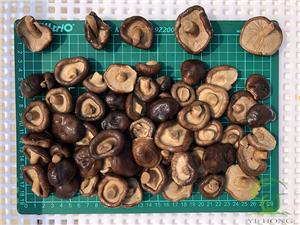
Case Study 1: FreshBite Catering, Chicago, USA
FreshBite Catering struggled with mushy brine mushrooms in their ready-to-eat meals, leading to a 20% return rate. After partnering with Xiuyan Manzu Autonomous County Yihong Agricultural Products Co.,ltd, they switched to a calcium-fortified brine and optimized blanching parameters. Within three months, returns dropped to 2%, and customer satisfaction scores increased by 30%.
"The technical support from Yihong was outstanding. They helped us fine-tune our process, and the results speak for themselves—our mushrooms are now consistently firm and delicious." — John Smith, Production Manager at FreshBite Catering.
Case Study 2: EuroFoods Distributors, Rotterdam, Netherlands
EuroFoods faced inconsistent brine concentration from their previous supplier, causing frequent rework. They switched to Yihong's pre-brined mushrooms, which are produced with inline monitoring and strict quality control. Rework costs decreased by 15%, and on-time delivery improved to 98%.
"Yihong's commitment to consistency is unmatched. Their brine mushrooms have simplified our operations and improved our bottom line." — Anna de Vries, Procurement Director at EuroFoods Distributors.
Case Study 3: Pacific Rim Food Service, Sydney, Australia
Pacific Rim experienced a 12% spoilage rate with their brine mushrooms, costing them over $50,000 annually. Yihong provided a customized solution with adjusted pH and pasteurization protocols. Spoilage dropped to 1%, saving the company $45,000 per year.
"We were skeptical at first, but Yihong's technical team walked us through every step. The results exceeded our expectations." — Mark Johnson, Operations Manager at Pacific Rim Food Service.
Case Study 4: Nordic Kitchens, Stockholm, Sweden
Nordic Kitchens needed organic brine mushrooms with a clean label. Yihong supplied organic-certified mushrooms brined with natural preservatives (e.g., vinegar and sea salt). The product met Nordic Kitchens' strict standards, and sales increased by 25% in the first year.
"Yihong's ability to deliver organic, clean-label products without compromising on shelf life is impressive. They are a trusted partner." — Elin Andersson, CEO of Nordic Kitchens.
Case Study 5: Gulf Coast Grocers, Houston, USA
Gulf Coast Grocers struggled with salty inconsistency in their private-label brine mushrooms. Yihong implemented a weight-based brine mixing system and provided training. Salt variability dropped from ±2% to ±0.5%, and customer complaints decreased by 40%.
"The training and support from Yihong transformed our production. We now have complete confidence in our brine mushrooms." — Maria Garcia, Quality Assurance Manager at Gulf Coast Grocers.
Applications and Partnerships: Trusted by Industry Leaders
Brine mushrooms are versatile and find applications across various segments:
- Food Service: Ready-to-eat meals, pizzas, salads, and sandwiches. Yihong partners with major food service providers like FreshBite Catering and Pacific Rim Food Service to supply consistent, high-quality brine mushrooms.
- Retail: Private-label jars and bulk packs for supermarkets. Gulf Coast Grocers and Nordic Kitchens rely on Yihong for their brine mushroom needs.
- Industrial: Further processing into soups, sauces, and ready meals. EuroFoods Distributors sources Yihong's brine mushrooms for repackaging and distribution across Europe.
Yihong's partnerships are built on a foundation of technical collaboration and reliability. By working closely with customers, Yihong ensures that brine mushroom specifications are met precisely, from texture and salinity to shelf life and labeling.
FAQ: Expert Answers to Common Questions
Q1: How can I prevent my brine mushrooms from becoming mushy during storage?
A: Mushiness is primarily caused by enzymatic breakdown and insufficient calcium. Ensure blanching is adequate (90-95°C for 3-5 minutes) to deactivate enzymes, and include 0.1-0.3% calcium chloride in the brine. Also, maintain a pH below 4.6 to inhibit microbial growth. Store at temperatures below 4°C for fresh products or ambient for pasteurized products. Regular texture analysis (e.g., using a texture analyzer) can help monitor firmness over time.
Q2: What is the ideal salt concentration for brine mushrooms, and how can I maintain it consistently?
A: The ideal salt concentration varies by product type and customer preference, but typically ranges from 2% to 10% in the final product. To maintain consistency, prepare brine by weight, not volume, and use inline conductivity meters to monitor concentration in real-time. Calibrate meters daily and record data for each batch. Additionally, ensure thorough mixing before use and avoid stratification by using agitation in the brine tank.
Q3: How do I extend the shelf life of brine mushrooms without artificial preservatives?
A: Achieve a pH below 4.6 using natural acids like citric acid or vinegar. Implement a pasteurization step (85-90°C for 10-15 minutes) after filling, and ensure hermetic sealing. Use vacuum packaging to remove oxygen, which inhibits aerobic spoilage organisms. For clean-label products, consider using natural antimicrobials like nisin or chitosan, but validate their efficacy through challenge testing. Always conduct shelf-life studies to confirm safety and quality.
Q4: What are the critical control points for brine mushroom production under HACCP?
A: Critical control points (CCPs) include: (1) Blanching time/temperature to ensure enzyme inactivation and microbial reduction; (2) Brine pH adjustment to below 4.6; (3) Preservative concentration (if used) to inhibit spoilage; (4) Pasteurization temperature/time for shelf-stable products; (5) Sealing integrity to prevent post-process contamination. Establish critical limits, monitor regularly, and implement corrective actions if deviations occur. Validate your HACCP plan with microbial testing.
Q5: Can I use brine mushrooms in retort-pouch applications, and what modifications are needed?
A: Yes, brine mushrooms can be used in retort pouches, but they require formulation adjustments to withstand high-temperature processing (typically 121°C). Reduce salt content slightly to account for concentration during retorting, and use heat-stable acids (e.g., citric acid) to maintain pH. Choose mushroom varieties with firmer texture (e.g., button mushrooms) and consider adding calcium chloride to minimize softening. Conduct thermal process validation to ensure commercial sterility. Partner with a supplier experienced in retort applications, like Yihong, for tailored solutions.
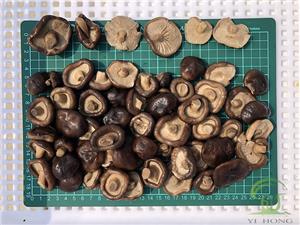
Conclusion: Elevate Your Brine Mushroom Game
Mastering brine mushrooms is both an art and a science. By understanding the pain points—texture degradation, inconsistent brine, and short shelf life—and implementing the professional solutions outlined, you can achieve consistent, high-quality products that delight customers and boost your bottom line. The success stories from companies like FreshBite Catering and EuroFoods Distributors demonstrate the tangible benefits of partnering with a technical expert like Xiuyan Manzu Autonomous County Yihong Agricultural Products Co.,ltd.
Ready to take your brine mushroom products to the next level? Contact our sales engineers today to request a comprehensive technical white paper on brine mushroom processing, or to discuss customized solutions for your specific needs. Don't let brine mushrooms be a source of frustration—turn them into a competitive advantage.