Boletus Edulis In Brine: How Food Manufacturers and Importers Can Choose the Right Product
For food manufacturers, ingredient distributors, and international mushroom importers, choosing a suitable preserved mushroom requires more than comparing prices. The product must match the intended application, processing requirements, packaging format, and purchasing volume. These considerations are particularly important when sourcing Boletus Edulis In Brine, a commercially processed porcini mushroom product used in different food applications.
Boletus edulis, commonly known as porcini, is valued for its characteristic mushroom flavor and its role in a wide range of savory foods. In commercial supply chains, preserving porcini in brine provides an alternative to purchasing fresh mushrooms for immediate processing. It gives buyers a bulk ingredient format that can be evaluated according to product grade, mushroom size, drained weight, packaging, and the requirements of the destination market.
However, not every brined porcini product is suitable for every factory. A sauce manufacturer may prioritize size consistency and processing efficiency, while a food distributor may need several grades for different customers. A prepared-food manufacturer may be more concerned about the mushroom's performance during cooking.
This guide explains how professional buyers can evaluate Boletus Edulis In Brine, compare suppliers, prepare a useful request for quotation, and make purchasing decisions based on the complete cost of using the ingredient.
What Is Boletus Edulis In Brine?
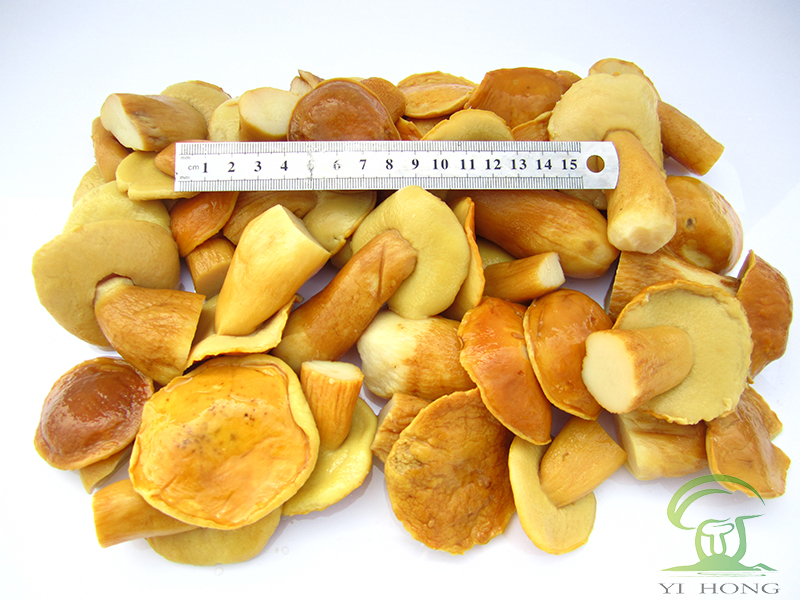
Boletus Edulis In Brine is porcini mushroom preserved in a brine solution and supplied for commercial food use. Rather than being sold only as a fresh ingredient, the mushroom is processed and packed for buyers who need a product that can be transported, stored, and used in a planned production schedule.
Commercial brined porcini may be purchased by food ingredient importers, mushroom wholesalers, food manufacturers, distributors, and foodservice suppliers. Depending on the specification, it may be suitable for further preparation in sauces, soups, pasta dishes, prepared foods, and other savory products.
For B2B buyers, the key point is that the product should be evaluated as a defined ingredient rather than simply as a mushroom commodity. Its grade, size, condition, packaging, drained weight, and intended application all influence its commercial value.
Why Do Food Businesses Purchase Porcini in Brine?
Fresh mushrooms can create purchasing challenges when a factory needs a regular supply throughout the year. Raw material availability, transport conditions, storage capacity, and processing schedules can all affect how efficiently fresh mushrooms are used.
Brined porcini offers a different procurement format. The mushrooms arrive as a processed ingredient, allowing the buyer to plan the next production steps around an agreed specification.
For a food factory, the potential benefits depend on its operating model. A company that already has a mushroom preparation line may prefer one format, while a distributor supplying multiple food manufacturers may need several product grades.
Commercial buyers commonly evaluate brined porcini for the following reasons:
Bulk purchasing for industrial food production.
Ingredient supply for sauces and savory preparations.
Wholesale distribution to food businesses.
Further processing into mixed mushroom products.
More structured purchasing based on an agreed product specification.
Planning inventory around production and delivery schedules.
These advantages should always be assessed against the actual product specification and the buyer's production requirements.
Understanding Mushroom Grades and Size Specifications
One of the first questions a buyer should ask is which grade and size range is appropriate for the intended application.
Different sizes can create different results during preparation. Larger mushrooms may be useful when the mushroom remains visible in the finished food. Smaller pieces may be more practical when the product is mixed into a sauce or processed further.
A distributor may also require several grades to serve customers with different needs. In that situation, the supplier's product range can be just as important as the price of an individual item.
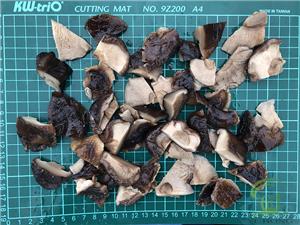
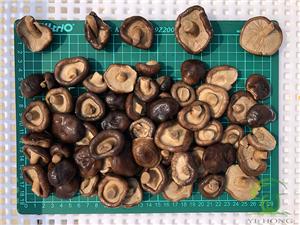
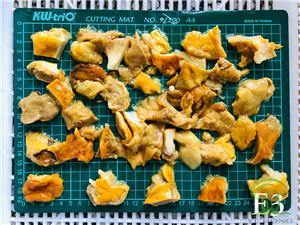
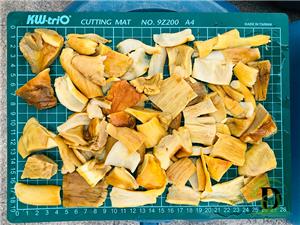
YIHONG's Boletus Edulis In Brine range includes different grades, such as A-series, B-series, D-series, and E-series products. The exact size and condition should be confirmed for the specific item being quoted rather than assumed from the grade name alone.
Before placing an order, ask the supplier to confirm:
The exact product grade.
The mushroom size range and measurement method.
Whether the product is whole or processed into another format.
The acceptable variation within a batch.
The expected proportion of broken or damaged pieces, where relevant.
The sample specification against which the shipment will be evaluated.
Matching Brined Porcini to the Final Food Application
The most effective way to select a mushroom ingredient is to begin with the finished product.
Consider how the mushroom will be used, whether it will remain visible, how it will be heated, and whether additional cutting or preparation will be necessary. These details help determine which product format should be tested.
Porcini for Mushroom Sauces
Sauce manufacturers may need mushrooms that can be distributed consistently throughout the product. The appropriate size depends on the sauce formulation, equipment, and desired texture.
Before purchasing in bulk, test the mushroom in the actual recipe. Evaluate its appearance after cooking, its texture, and how easily it can be incorporated into the production process.
Porcini for Pasta and Prepared Foods
In pasta products and prepared meals, mushrooms may be mixed with sauces, vegetables, seasonings, or other ingredients. The buyer should consider how the mushroom size affects portioning and the appearance of the final product.
If the factory uses automatic filling or portioning equipment, the ingredient specification should be checked against the equipment's operating requirements.
Porcini for Foodservice and Wholesale
Distributors may supply different customers, each with a different use for porcini. A clear product description, consistent packaging information, and an agreed specification help the distributor manage customer expectations.
For this type of business, it can be useful to compare several grades and determine which products are appropriate for different customer groups.
Why Drained Weight Matters in Procurement
When comparing brined mushrooms, buyers should distinguish between gross weight and drained mushroom weight.
Gross weight is relevant to transport and logistics. Drained weight is useful when calculating how much mushroom material is available for the intended food application.
Two suppliers may quote similar drum prices while providing different drained weights. Comparing only the price per drum could therefore lead to an inaccurate purchasing decision.
A simple calculation is:
Cost per drained kilogram = Drum price ÷ Drained mushroom weight per drum
For example, a drum priced at $120 with 45 kg of drained mushroom has an effective product cost of approximately $2.67 per drained kilogram, before freight and other costs.
Buyers should use the actual quotation and confirmed drained weight for this calculation. Example figures should not be treated as a supplier's current commercial offer.
How to Evaluate Product Quality Before Ordering
A product sample provides an opportunity to check whether the ingredient matches the buyer's requirements. It should be evaluated systematically rather than judged only by its appearance immediately after opening.
Start by reviewing the sample against the agreed specification. Check the size range, visible condition, texture, and the proportion of pieces that do not meet the intended requirements.
Next, evaluate the product in the actual application. A sample that appears acceptable on its own may behave differently during cooking or mixing.
For a food manufacturer, useful evaluation points include:
Appearance before processing.
Size consistency.
Texture after preparation.
Compatibility with the recipe.
Additional cutting or handling requirements.
Usable mushroom quantity after draining.
Performance during the normal production process.
Where product safety or regulatory compliance is relevant, request the appropriate product documents and test reports. The exact documents depend on the product and destination market.
Calculating the Total Cost of Brined Porcini
The supplier's product price is only one part of the total purchasing cost.
For an imported ingredient, the buyer may also need to account for freight, insurance, customs charges, port handling, inland transport, storage, and internal processing.
A useful calculation is:
Total landed cost = Product cost + Freight + Insurance + Import charges + Handling + Inland transport
For manufacturers, additional processing expenses may also matter. If a product requires extensive sorting or cutting, the factory should account for labor, equipment time, and any processing loss.
This is why a lower drum price does not automatically mean a lower production cost. The better option is the one that meets the agreed specification and works efficiently in the buyer's operation.
Questions to Ask a Boletus Supplier
Before requesting a final quotation, prepare a clear list of questions.
Which Boletus Edulis In Brine grades are available?
What size range applies to each grade?
What is the product's drained weight?
What is the gross weight and packaging configuration?
What is the confirmed shelf life and storage requirement?
What is the minimum order quantity?
Can a sample be provided for testing?
What is the expected production lead time?
Which export documents can be supplied for the destination market?
Can the same specification be maintained for repeat orders?
These questions help both parties establish a clear purchasing basis before a large order is placed.
How to Prepare a Useful RFQ
A detailed request for quotation helps suppliers recommend a more suitable product and reduces unnecessary back-and-forth communication.
Include the following information:
| RFQ Item | Information to Provide |
|---|---|
| Product | Boletus Edulis In Brine |
| Grade | Preferred grade or request for available options |
| Size | Required size range, if specified |
| Application | Sauce, prepared food, wholesale, or another use |
| Quantity | Estimated drums or total order volume |
| Destination | Country and destination port |
| Documents | Requirements based on the destination market |
| Timing | Expected delivery window |
Why Supplier Communication Matters
For an importer, the first order may be a trial, but future orders often depend on whether the supplier can communicate clearly and maintain the agreed specification.
Buyers should look for precise answers about product grade, packaging, lead time, documentation, and order quantities. If a requirement cannot be confirmed, it is better to clarify it before production or shipment.
A written specification can also help both parties compare future batches with the approved sample.
Frequently Asked Questions
What is Boletus Edulis In Brine used for?
It can be considered for commercial food applications such as sauces, prepared foods, savory dishes, and ingredient distribution. The appropriate product depends on its specification and the buyer's recipe.
How should I compare two suppliers?
Compare the same grade, size range, drained weight, packaging, product documents, delivery terms, and sample performance. Calculate the total landed cost rather than relying only on the drum price.
Can I order different grades?
Availability depends on the supplier's current product range and production arrangements. Ask for the available grades and confirm the specification of each item before ordering.
Should I request a sample before bulk purchasing?
For a new supplier or product, sample testing is a practical way to evaluate whether the mushroom meets your application requirements before committing to a larger order.
Source Boletus Edulis In Brine for Your Business
Choosing the right brined porcini starts with a clear understanding of the intended application, required grade, size, drained weight, and packaging. These details allow buyers to compare suppliers fairly and make a decision based on practical production requirements.
YIHONG offers a range of Boletus Edulis In Brine products for commercial buyers. If you are sourcing brined porcini for food manufacturing, wholesale distribution, or ingredient supply, share your preferred grade, application, estimated quantity, and destination market to request a product recommendation and quotation.
Contact us to discuss your Boletus Edulis In Brine requirements and request a quotation for your business.