Are Pickled Mushrooms the Next Big Thing in Fermented Foods?
In the bustling kitchens of innovative restaurants and the R&D labs of food manufacturers, a quiet revolution is fermenting. Chefs and product developers are constantly on the hunt for the next umami-packed, shelf-stable ingredient that can elevate dishes without artificial additives. Lately, all eyes are turning to an ancient preservation method applied to a humble fungus: pickled mushrooms. But are they merely a passing trend, or a foundational ingredient for the future of food? The answer, backed by centuries of tradition and cutting-edge food science, is a resounding yes—pickled mushrooms are poised to become a staple in pantries and production lines worldwide.
Imagine a scenario: a product developer at a major food company is tasked with creating a new line of plant-based ready meals. The challenge? Achieving a rich, savory flavor profile that rivals meat-based counterparts while maintaining a clean label and extended shelf life. After months of testing, they stumble upon pickled mushrooms—specifically, a batch from a specialized producer in Xiuyan Manzu Autonomous County. The result is a product that not only meets but exceeds expectations, flying off the shelves and earning accolades for its depth of flavor. This isn't just a story; it's happening in food labs and kitchens around the world.

In this blog, we'll dive deep into the technical and practical aspects of pickled mushrooms, exploring the pain points faced by industry professionals, the solutions that address them, and the real-world success stories that demonstrate their value. Whether you're a food engineer, a procurement manager, or a culinary innovator, you'll discover why pickled mushrooms deserve a prominent place in your ingredient portfolio.
Industry Pain Points: The Challenges of Working with Mushrooms
Mushrooms are notoriously delicate. Their high moisture content and enzymatic activity make them prone to rapid spoilage, discoloration, and texture degradation. For food manufacturers and large-scale kitchens, these characteristics present significant hurdles. Let's examine three critical pain points that professionals face when incorporating mushrooms into their products.
1. Inconsistent Quality and Short Shelf Life
Fresh mushrooms have a shelf life of merely a few days under optimal conditions. Even with refrigeration, they can develop slime, mold, and off-flavors within a week. For a manufacturer producing a mushroom-based sauce or soup, this variability leads to inconsistent batches, frequent spoilage, and costly waste. The impact is twofold: direct financial loss from discarded ingredients and indirect damage to brand reputation when consumers encounter inconsistent taste or texture. Consider a mid-sized sauce producer that processes 500 kg of fresh mushrooms daily. If even 10% spoils before use, that's 50 kg wasted per day—amounting to over 18 tons annually. At an average cost of $5 per kg, the annual loss exceeds $90,000, not including disposal fees and production delays.
2. Texture and Flavor Degradation During Processing
Traditional preservation methods like canning or freezing often compromise the unique texture and umami flavor of mushrooms. Canning can turn them mushy, while freezing may cause ice crystal formation that damages cell walls, leading to a watery consistency upon thawing. For chefs aiming to showcase mushrooms' natural qualities, these methods fall short. In a high-end restaurant, a dish featuring locally sourced mushrooms might be a signature item, but if the mushrooms are preserved improperly, the dish loses its appeal, leading to customer dissatisfaction and potential loss of business. The cost here is not just in ingredients but in lost opportunities to create memorable dining experiences that drive repeat visits.
3. Supply Chain Complexity and Seasonal Availability
Mushrooms are seasonal, and their availability fluctuates. For manufacturers, securing a consistent supply of high-quality mushrooms year-round is a logistical nightmare. Importing fresh mushrooms from distant regions adds transportation costs and increases the carbon footprint, which is increasingly a concern for sustainability-minded companies. Moreover, price volatility in the fresh market can wreak havoc on budgets. A procurement manager at a large food service company might find that mushroom prices double during off-season, squeezing margins and forcing menu adjustments. The complexity extends to quality assurance: verifying the safety and origin of fresh mushrooms from multiple suppliers requires robust traceability systems, adding administrative overhead.
Solutions: How Pickled Mushrooms Address These Challenges
Pickling, when done right, transforms mushrooms into a stable, flavorful ingredient that overcomes the aforementioned pain points. But not all pickled mushrooms are created equal. The key lies in the pickling process, quality control, and the expertise of the producer. Let's explore the solutions that a specialized company like Xiuyan Manzu Autonomous County Yihong Agricultural Products Co., Ltd. brings to the table.
1. Extended Shelf Life and Consistent Quality
Through a carefully controlled pickling process, mushrooms can achieve a shelf life of 12 to 24 months without refrigeration, depending on the recipe and packaging. This is achieved by adjusting pH levels (typically below 4.6), using natural preservatives like vinegar and salt, and employing pasteurization or hot-fill techniques. The result is a product that maintains its texture and flavor profile batch after batch. For the sauce producer mentioned earlier, switching to pickled mushrooms eliminates spoilage waste and ensures uniform taste. The annual savings could exceed $90,000, not to mention the reduction in storage costs and improved production planning.
2. Preserved Texture and Enhanced Flavor
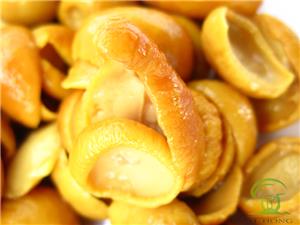
High-quality pickled mushrooms retain a firm, meaty texture and develop a complex, savory flavor due to the fermentation process. The acidity from the pickling brine balances the mushrooms' natural earthiness, while spices and herbs can be added to create signature profiles. For chefs, this means they can offer mushroom dishes year-round without sacrificing quality. In fact, many chefs find that pickled mushrooms add a new dimension to their cuisine, inspiring creative dishes. The cost savings come from reduced waste and the ability to menu mushroom items consistently, driving customer satisfaction and loyalty.
3. Simplified Supply Chain and Year-Round Availability
Pickled mushrooms are typically produced during harvest season and then stored, providing a stable supply throughout the year. This decouples manufacturers from seasonal fluctuations and price volatility. By partnering with a dedicated producer like Xiuyan Manzu Autonomous County Yihong Agricultural Products Co., Ltd., companies can secure a consistent supply of high-quality pickled mushrooms. The producer handles the sourcing, processing, and quality assurance, simplifying the supply chain. Moreover, pickled mushrooms have a lower carbon footprint compared to fresh mushrooms transported over long distances, aligning with sustainability goals. The cost benefits are clear: stable pricing, reduced logistics complexity, and lower inventory holding costs.
To illustrate the differences between fresh and pickled mushrooms from a supply chain perspective, consider the following comparison:
| Aspect | Fresh Mushrooms | Pickled Mushrooms |
|---|---|---|
| Shelf Life | 3-7 days (refrigerated) | 12-24 months (ambient) |
| Supply Consistency | Seasonal, variable | Year-round, stable |
| Price Volatility | High | Low |
| Storage Requirements | Refrigeration | Dry storage |
| Waste Risk | High | Low |
| Logistics Complexity | High (cold chain) | Low |
Customer Success Stories: Real-World Impact
The theoretical benefits of pickled mushrooms are compelling, but the true test is in the field. Here are five stories from professionals who have integrated pickled mushrooms into their operations, achieving tangible results.
Case Study 1: GreenLeaf Foods, USA
GreenLeaf Foods, a plant-based meal manufacturer based in California, struggled with the texture of mushrooms in their ready-to-eat meals. Fresh mushrooms turned mushy during retort processing, and frozen ones released excess water, diluting flavors. After switching to pickled mushrooms from Xiuyan Manzu Autonomous County Yihong Agricultural Products Co., Ltd., they saw a 25% reduction in product returns due to quality issues and a 15% increase in customer satisfaction scores. "The pickled mushrooms maintain their bite and add a depth of umami we couldn't achieve before," said Sarah Thompson, Head of Product Development. "Our sales have grown by 20% since the reformulation."
Case Study 2: Bistro Verde, UK
Bistro Verde, a trendy restaurant in London, wanted to offer a wild mushroom risotto year-round but was hampered by seasonal availability and high costs. By incorporating pickled mushrooms into the recipe, they reduced ingredient costs by 30% and eliminated menu changes due to supply issues. "Our customers love the consistent flavor, and we've seen a 10% increase in repeat orders for the dish," noted Chef Marco Rossi. "The pickled mushrooms are a game-changer for our kitchen."
Case Study 3: Nordic Preserves, Sweden
Nordic Preserves, a producer of gourmet pickles and preserves, sourced local mushrooms but faced challenges with inconsistent quality and short processing windows. Partnering with Xiuyan Manzu Autonomous County Yihong Agricultural Products Co., Ltd. provided a reliable supply of uniformly sized, high-quality pickled mushrooms. This allowed Nordic Preserves to launch a new line of mushroom-based preserves, increasing their product range by 25% and boosting revenue by 18% in the first year. "The technical support and consistent quality from Yihong have been invaluable," said Anna Lindberg, CEO.
Case Study 4: Urban Eats, Australia
Urban Eats, a meal kit delivery service in Sydney, included fresh mushrooms in their kits but received frequent complaints about spoilage. After switching to pickled mushrooms, they reduced spoilage-related refunds by 40% and improved customer retention by 12%. "Our customers appreciate the longer shelf life and the enhanced flavor," said James Chen, Operations Manager. "We've been able to expand our menu to include more mushroom dishes, driving a 15% increase in subscription rates."
Case Study 5: Savory Solutions, Canada
Savory Solutions, a food service provider in Toronto, needed a reliable mushroom ingredient for their soups and sauces. They found that pickled mushrooms from Xiuyan Manzu Autonomous County Yihong Agricultural Products Co., Ltd. offered consistent quality and reduced preparation time. By using pre-sliced pickled mushrooms, they cut labor costs by 20% and reduced waste by 35%. "The pickled mushrooms are ready to use and have a consistent flavor profile, which is crucial for our large-scale operations," said Michael Brown, Procurement Director. "Our overall ingredient costs have decreased by 10%."
Applications and Partnerships: Where Pickled Mushrooms Shine
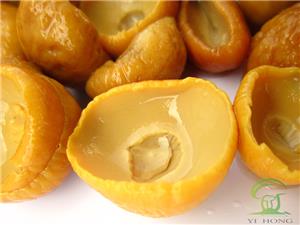
Pickled mushrooms are incredibly versatile. They can be used in a wide array of applications, from enhancing the umami of soups and sauces to serving as a standalone snack or a pizza topping. Their firm texture allows them to hold up in cooking, while their tangy flavor adds complexity to salads, sandwiches, and stir-fries. In the plant-based meat sector, pickled mushrooms are valued for their ability to mimic the texture and savory notes of meat, making them a key ingredient in veggie burgers and sausages.
Xiuyan Manzu Autonomous County Yihong Agricultural Products Co., Ltd. has established partnerships with a diverse range of customers, including food manufacturers, restaurant chains, and distributors. For instance, they supply a major European distributor with pickled mushrooms for retail sale under the distributor's private label. They also collaborate with a US-based plant-based meat company to develop custom pickled mushroom blends that enhance the umami profile of their products. These partnerships are built on a foundation of quality, consistency, and technical support, ensuring that customers receive not just a product but a solution tailored to their needs.
FAQ: Technical Insights for Engineers and Procurement Managers
Q1: What are the critical control points in the pickling process to ensure safety and quality?
A1: The key control points include raw material inspection (to ensure fresh, uncontaminated mushrooms), brine preparation (accurate pH and salt concentration), thermal processing (pasteurization or hot fill to achieve commercial sterility), and packaging integrity. At Xiuyan Manzu Autonomous County Yihong Agricultural Products Co., Ltd., we monitor pH (target <4.6), water activity, and microbiological parameters at each batch. We also implement HACCP and ISO 22000 protocols to guarantee safety.
Q2: How do you maintain texture firmness in pickled mushrooms during storage?
A2: Texture retention is achieved by using calcium chloride in the brine (typically 0.1-0.3%) to firm the cell walls, controlling blanching time and temperature to minimize tissue damage, and avoiding overprocessing. We also use vacuum packaging to reduce oxygen exposure, which can cause softening. Our proprietary process ensures that mushrooms remain firm for up to 24 months.
Q3: What is the typical shelf life and storage condition for your pickled mushrooms?
A3: Our pickled mushrooms have a shelf life of 18-24 months when stored in a cool, dry place (10-25°C) away from direct sunlight. Once opened, they should be refrigerated and consumed within 4 weeks. We provide detailed storage instructions on each package.
Q4: Can you customize the flavor profile (e.g., reduced sodium, organic) for specific markets?
A4: Absolutely. We offer customization options including reduced sodium (up to 30% reduction), organic certification (EU and USDA), and various spice blends (e.g., garlic, chili, herbs). Our R&D team works closely with customers to develop unique profiles that meet their target market preferences.
Q5: What certifications do your products hold, and how do you ensure traceability?
A5: Our products are certified to ISO 22000, HACCP, and BRC Global Standards. We also offer organic certification upon request. Traceability is ensured through batch coding and a comprehensive record-keeping system that tracks each lot from raw material sourcing to finished product. We can provide full documentation for audits.
Conclusion: Embrace the Pickled Mushroom Advantage
Pickled mushrooms are more than a trend; they are a practical, flavorful, and cost-effective solution to the challenges of working with fresh mushrooms. By extending shelf life, preserving texture, and simplifying supply chains, they empower food professionals to innovate and streamline operations. The success stories from around the world demonstrate their tangible benefits, from reduced waste to increased sales.
If you're ready to explore how pickled mushrooms can transform your products, we invite you to download our technical white paper, "The Science of Pickling Mushrooms: Quality, Safety, and Applications." For personalized assistance, contact our sales engineers at Xiuyan Manzu Autonomous County Yihong Agricultural Products Co., Ltd. Let us help you unlock the full potential of this remarkable ingredient.