-
0508-2026
How Are Brined Nameko Mushrooms Produced? Factory Process Explained
A food importer is not usually looking for a single attractive sample. The buyer is trying to reduce risk across repeated shipments, seasonal availability, factory documentation, packaging stability, and customer complaints after the product reaches its destination market.
-
2107-2026
How Are Brined Mushrooms Produced? Factory Process Explained for Global Buyers
When importers and food manufacturers ask how brined mushrooms are produced, they are usually not looking for a cooking explanation. They want to understand whether the product can be trusted as a stable industrial ingredient. Production process matters because it affects texture, color, salt balance, shelf life, drained yield, foreign matter control, documentation, and repeat quality. For a buyer who purchases containers of preserved mushrooms, the process behind the product is directly connected to commercial risk.
-
2905-2026
Food Factory Raw Material Procurement: Why Is This Brined Nameko Mushroom Factory Your Best Choice?
Are you searching for high-quality brined Nameko mushroom ingredients for your ready-to-cook meal facility or food processing line? Discover how we help food enterprises reduce costs and boost efficiency through standardized grading, guaranteed solid content, and a stable, year-round supply chain.
-
2201-2026
Sourcing High-Quality Brined Nameko Mushrooms: A Guide for Global Importers & Manufacturers
In the competitive world of preserved vegetables and fungi, Brined Nameko Mushrooms (Pholiota nameko) stand out for their unique nutty flavor and signature gelatinous coating. For food manufacturers, canneries, and wholesale distributors, sourcing the right salted nameko is not just about price—it's about finding a product that retains its texture and integrity after processing.
-
0808-2025
Processing Method of Brined Nameko Mushrooms in Drum
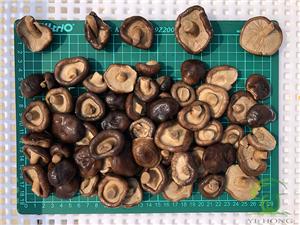
When selecting and grading brined nameko mushrooms in drum, it is necessary to use slippery mushrooms that are free of pests and diseases and have normal color as raw materials. Use a sharp knife to remove the aging hard roots, keep the tender handle 1-3cm long, and grade after removing impurities. The diameter of the cap of the first-level mushroom is 1-2cm, without an umbrella, the diameter of the cap of the second-level mushroom is 2-3cm, with a semi-open umbrella, and other foreign products are fully open umbrella mushrooms.
-
2902-2024
Exploring Pholiota Nameko In Brine Grade